Korva is a scroll of the internet’s best ideas.
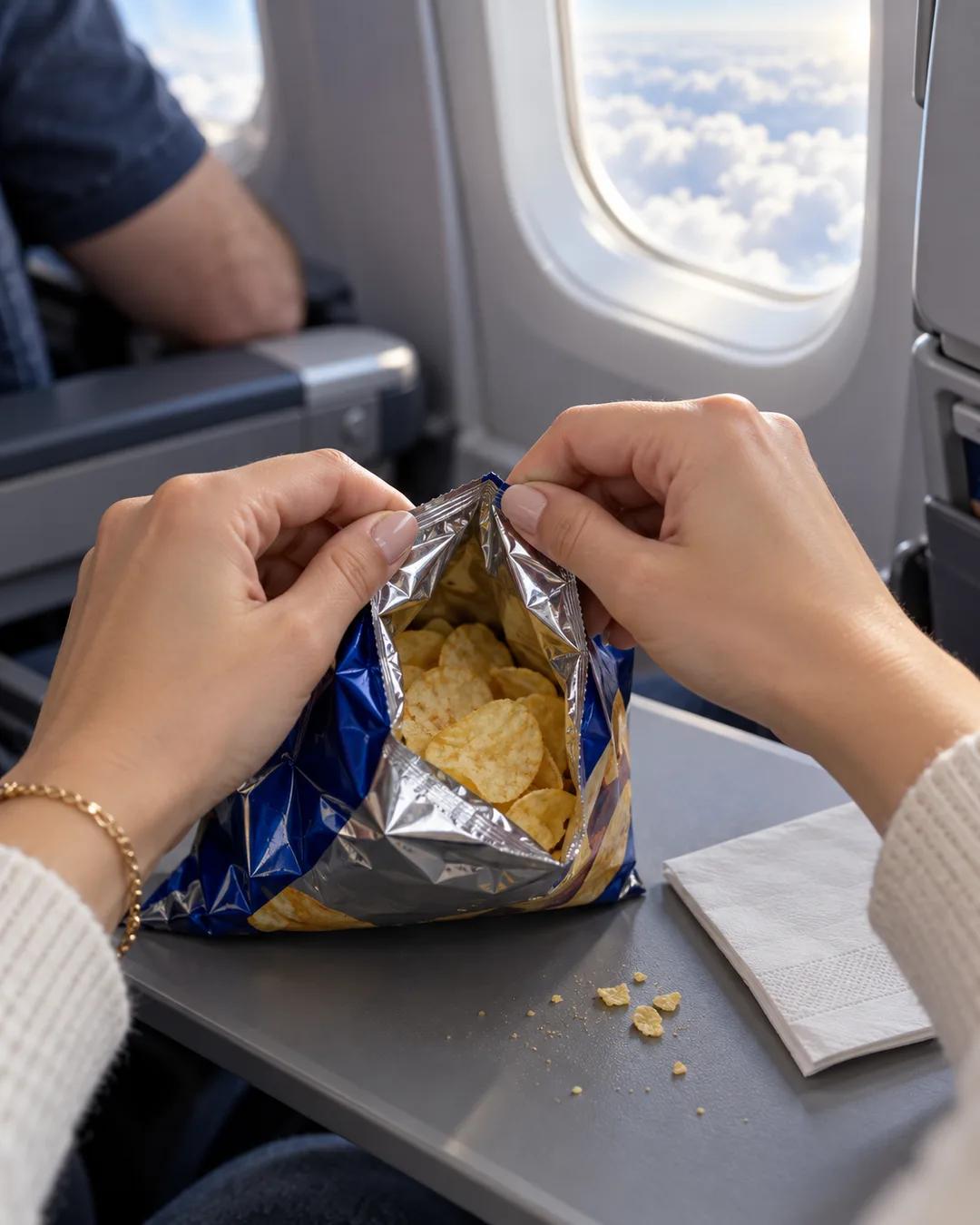
She opened a stranger's chip bag

The chip bag habit
Kate Bowler, a Duke professor who writes about joy, caught herself in the act one day and told herself no. The stranger looked so happy, and she looked so surprised at herself. Every man in her life will never go without a snack, and the habit had spread to men she had never met.
The amount of comfort she is comfortable creating for the people around her is deeply ingrained. She is wired into everybody else's hopes and needs, and she is very good at it.
The resentment underneath
Halfway through writing a book about joy, she asked herself whether she was very resentful. She was, about the amount of happiness she had created for other people. She had dug her way out of a tough situation, a stage four cancer diagnosis in her thirties, and then tried to make life good and easy for everyone around her. Years of that had built up what she calls calcified frustration, and she hadn't realized how much was there.
Why does emotional labor go unnoticed?
Sociologist Arlie Hochschild coined the term emotional labor in her 1983 book The Managed Heart. She studied flight attendants, who were trained to keep passengers calm and cheerful whatever they felt themselves. Because the work leaves no product behind, it rarely shows up in job descriptions or pay. Hochschild later extended the idea to unpaid work done at home.
Why do strangers remind us of family?
Psychologist Susan Andersen and her colleagues have studied how resemblance can activate a mental model of a close person. In experiments beginning in the 1990s, people who met someone resembling a loved one responded to the newcomer with feelings and expectations drawn from that relationship. The effect happens automatically and often without awareness. Freud described a similar process earlier under the name transference.
Why do old resentments harden over years?
Psychologist Susan Nolen-Hoeksema spent decades studying rumination, the habit of replaying a grievance or a sad event over and over. Her research found that rumination prolongs low mood instead of resolving it. Each replay strengthens the memory and its emotional charge. The word resentment itself comes from the Old French resentir, meaning to feel again.
More from Good Inside with Dr. Becky