Korva is a scroll of the internet’s best ideas.
She opened her eyes
The 2 AM call
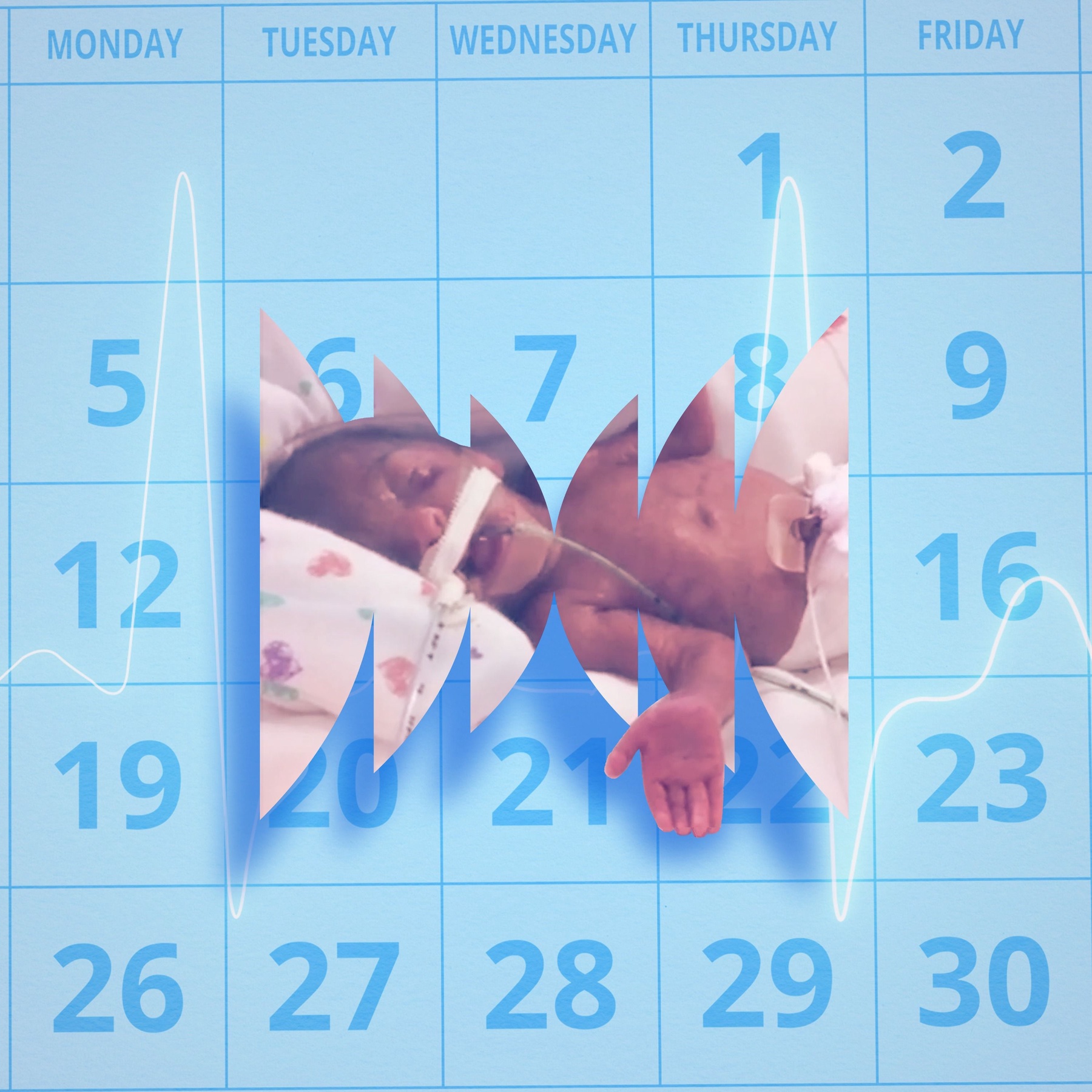
Juniper was born at 23 weeks and 6 days to Kelly Benham and Tom French. One night at 2 AM, her doctor phoned them and asked how far they lived from the hospital. Juniper had blown another hole in her intestines and was crashing. She was on 100 percent oxygen, the ventilator was turned up as high as it would go, and her blood pressure and oxygen levels were still falling. The neonatologist, Fouzia Shakeel, had already tried blood pressure medicine, antibiotics, and a drain in her abdomen. Only surgery was left, and operating on a one-pound baby seemed close to crazy.
The look
Standing at the bedside, Shakeel was beginning to think this was the end. Then Juniper opened her eyes wide and looked straight at her. Babies that sick are usually unresponsive because they are fighting for every breath. A baby with almost no oxygen and a blood pressure the doctor could barely record had just looked at her, and to Shakeel it was a statement that Juniper was still here.
The surgeon's refusal
The pediatric surgeon refused. She called it futile, because Juniper's blood pressure was so unstable that she would not make it out of the operating room, and her skin was so papery that the surgeon might not be able to sew her back up. What won the argument was that if the surgeon believed Juniper was going to die, then Juniper was dying right now in the unit. Doing nothing meant she would certainly die, and surgery left a slim chance.
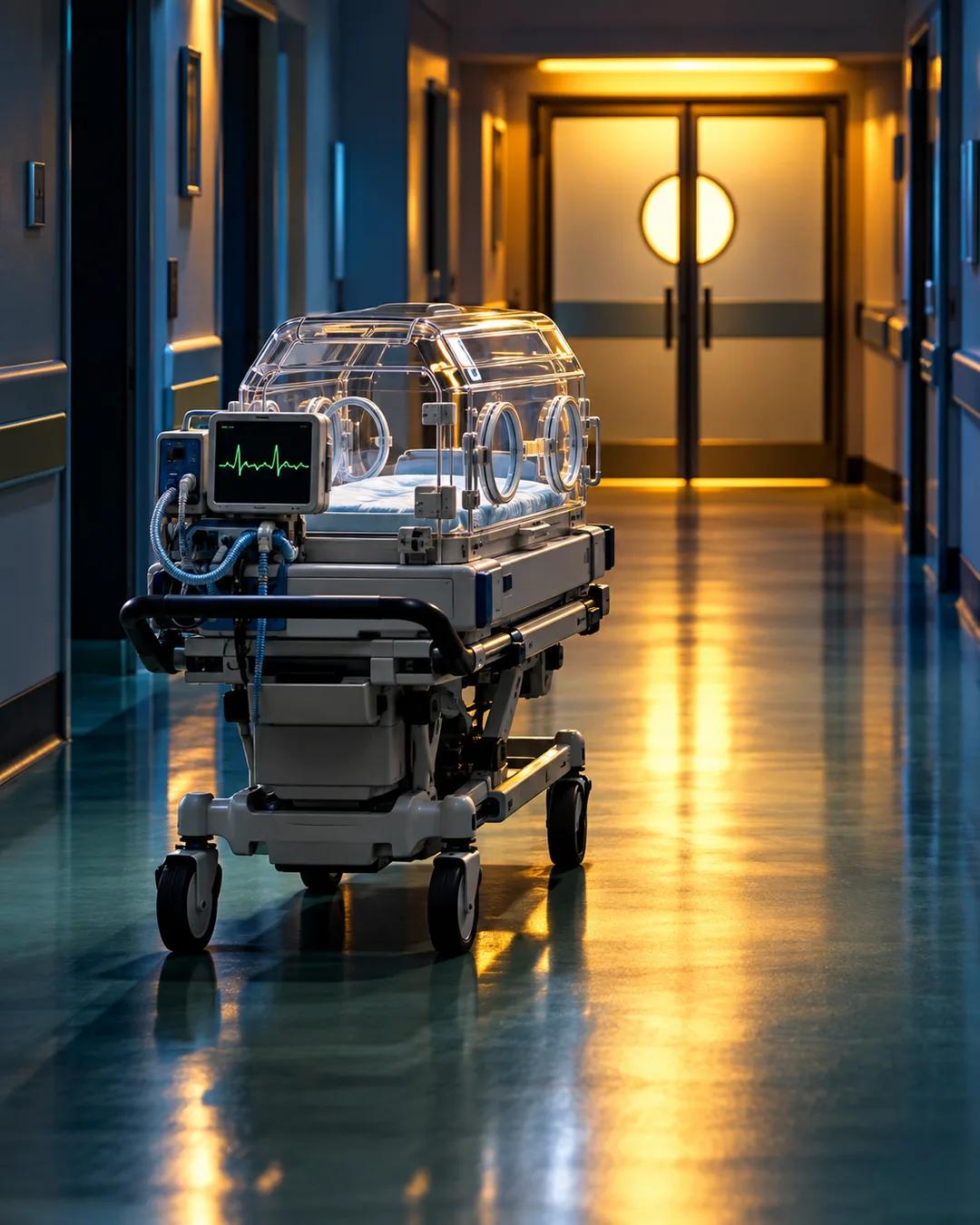
As the incubator was wheeled toward the operating room, Kelly held Juniper's tiny hand. Juniper looked right at her and stayed locked on her face, which she had never done before. Kelly and Tom each kissed her forehead, and then she was wheeled away.
Why do very sick newborns go quiet?
When oxygen runs short, a newborn's body sends what little it has to the heart and brain. Movement, crying, and alertness are among the first things to fade, so a limp, unresponsive baby is a common sign of serious illness. Neonatal nurses and doctors watch for this closely. Many hospitals use newborn early-warning scores that count responsiveness alongside breathing and heart rate.
Why is operating on a one-pound baby so hard?
Extremely premature babies have so much skin for their weight that they lose body heat fast, so operating rooms are warmed and the babies are wrapped to keep their temperature up. Their blood pressure can also swing widely under anesthesia. Blood volume is the sharpest limit: newborns carry roughly 80 to 100 milliliters per kilogram, so a one-pound baby holds about 40 milliliters in total, less than three tablespoons.
Why do premature intestines tear?
The gut of an extremely premature baby has thin walls and a fragile blood supply, and blood flow to it can drop when the baby is stressed or short of oxygen. Two conditions cause most perforations: necrotizing enterocolitis, where intestinal tissue dies, and spontaneous intestinal perforation, where a hole appears without widespread tissue death. In the smallest babies, surgeons sometimes place a drain in the abdomen first because open surgery is so risky. A 2011 review by Josef Neu and W. Allan Walker in the New England Journal of Medicine described necrotizing enterocolitis as affecting about 7 percent of babies born under 1,500 grams.
More from Radiolab