Korva is a scroll of the internet’s best ideas.

Shoppers decide how chickens live

Price drives the market
In an average UK supermarket, an intensively reared chicken costs several times less than its free-range or organic cousins. Organic and free-range chickens make up the rest of the market.
How the birds' lives differ
The birds' lives differ a lot. Organic chickens live the longest, 81 days, compared with 35 to 40 days for intensively reared birds. Free-range chickens get the most access to open air runs, and organic chickens are typically free from antibiotics, hormones, and other synthetic chemicals.
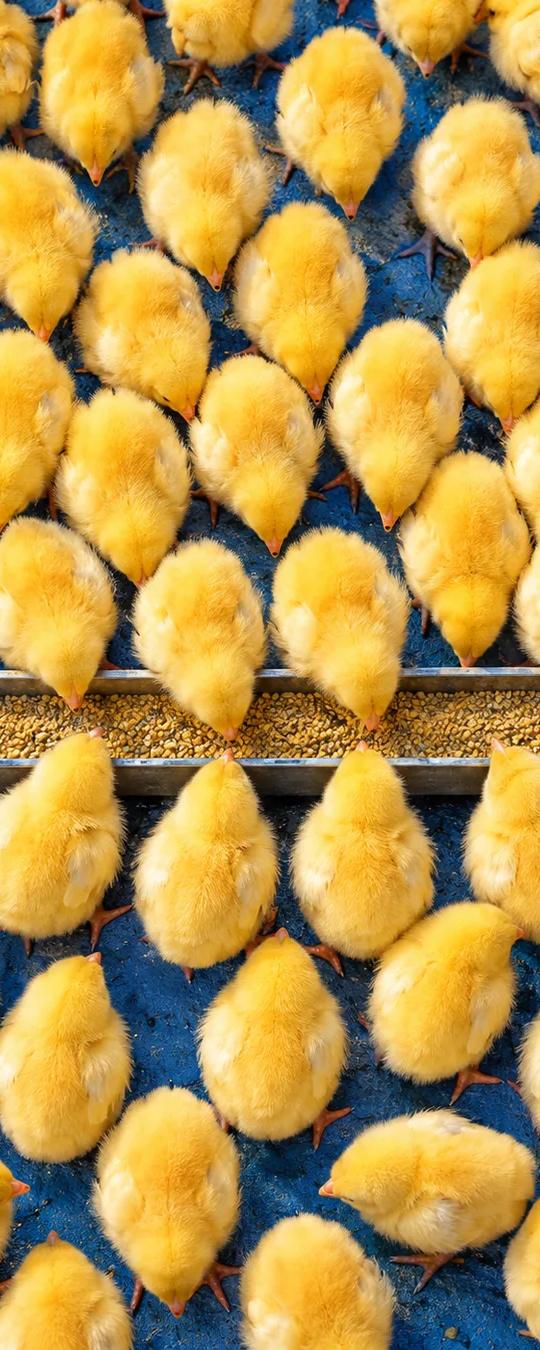
Space differs too. As many as 17 adult birds live in a single square metre when intensively reared, and organic and free-range birds have far better living space.
Farms follow demand
Farms raise what the market buys. If the demand for the pricier birds were there, all of them would be raising them.
Why is intensively reared chicken so much cheaper?
Feed is the largest single cost of raising a broiler, and a bird that reaches market weight in about 40 days eats for far fewer days than one kept for 81. More birds per square metre also spreads the cost of the building, heating, and labor across more meat. Faster turnover means a barn can host more flocks each year. Each of these savings shows up on the supermarket shelf as a lower price per kilogram.
Why do organic chickens live twice as long?
European Union organic rules set a minimum slaughter age of 81 days for chickens, unless a recognised slower-growing breed is used. The rule exists so that birds are not pushed to grow at the rate of intensive breeds. Slower-growing birds put on weight gradually, which lets the skeleton and heart keep pace. Organic standards also require outdoor access and organic feed.
More from The Economist