Korva is a scroll of the internet’s best ideas.
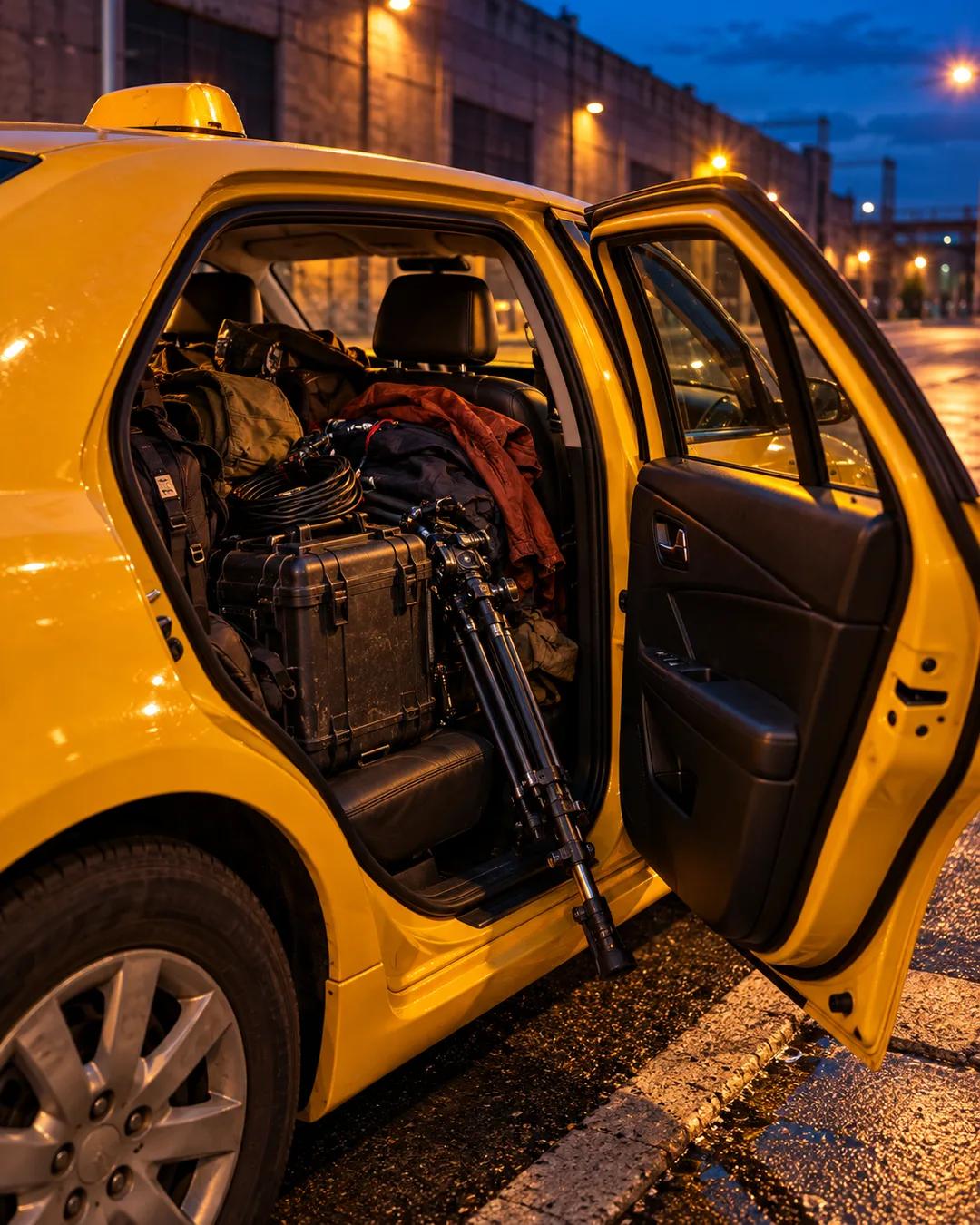
Shot on weekends for a year

After film schools turned him down, Nolan found work as a camera operator at a small video shop, turning out corporate videos and media training videos for large corporations. He wrote the script on a typewriter, asking what he could do with really no resources, just a camera and scraped-together money.
The budget covered shooting and processing 10 to 15 minutes of footage a week, so every scene was rehearsed carefully, almost like a play, to get it in one or two takes. Every weekend everyone squeezed into the back of a taxi and headed to whatever location they had managed to scrounge. They shot without permits, and Nolan operated the camera himself.
How does rehearsal save film stock?
Film stock and lab processing are bought by the foot, so every take has a direct cost. A 400-foot roll of 16mm film runs about 11 minutes at 24 frames per second. A crew that rehearses a scene until it works in one or two takes burns far less film than one that shoots many takes. The ratio of footage shot to footage used is called the shooting ratio.
How do corporate video jobs train filmmakers?
Corporate and training videos are made on short deadlines with small crews, so the person behind the camera learns lighting, framing, and fast decision-making. The work pays regularly, which lets a filmmaker fund personal projects on the side. Many directors began in commercials, music videos, or industrial films before moving to features. Those jobs gave them access to professional equipment.
More from Founders