Korva is a scroll of the internet’s best ideas.
Show progress and waiting eases

The old way to book
Booking a taxi by phone used to mean ringing with no idea of availability or wait time. Often the answer was a car in ten minutes, and then nobody knew when it would show up, so you hovered on the sidewalk waving at any passing car that looked as if it was searching for your address.
What Uber changed
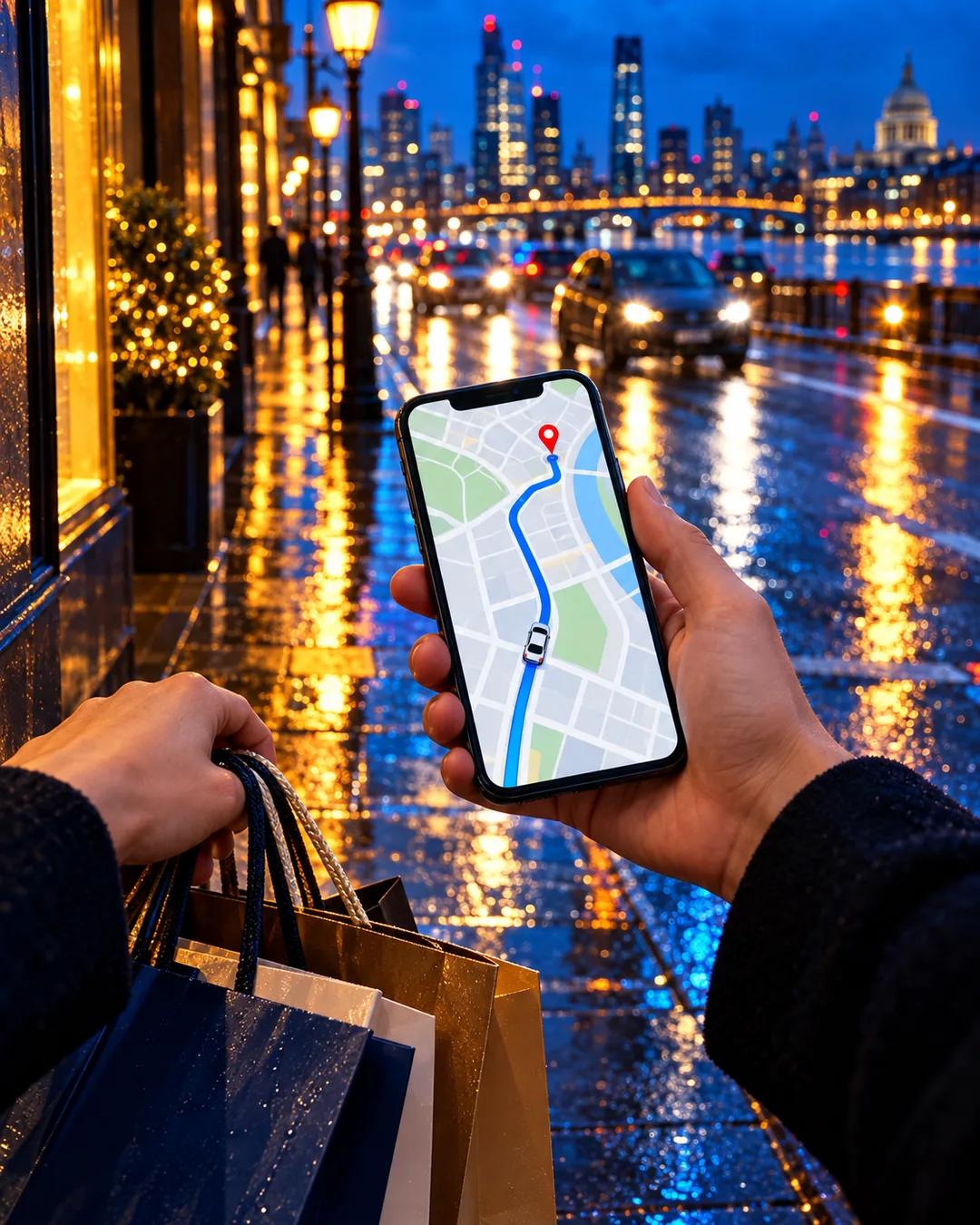
Uber gave an estimate of availability and of price, approved payment in advance, and then showed on a map the license plate of the car, where it was, and how long it would take to arrive. It also changed the experience of paying at the other end of the journey.
Why progress calms
Feeling that progress is being made comes down to dopamine, effort, and reward. A chimp hacking at a termite mound that turns up a few small termites keeps going and feels content, while a long stretch of effort with no reward feels very different. Elevator door-close buttons that are placebos work in a similar way: they do not speed up the doors at all, but they give impatient riders something to do.
Why do known waits feel shorter than unknown ones?
In his 1985 essay The Psychology of Waiting Lines, David Maister argued that uncertain waits feel longer than known, finite ones, and that occupied time feels shorter than unoccupied time. Not knowing when help will arrive adds anxiety, which stretches the minutes. Maister also observed that unexplained waits feel longer than explained ones.
How does dopamine track effort and reward?
In the 1990s, Wolfram Schultz recorded from dopamine neurons in monkeys and found that they fired when an unexpected juice reward arrived. After training, the firing moved to the cue that predicted the juice, and it dipped when the expected reward failed to appear. A 1997 paper in Science by Schultz, Peter Dayan, and Read Montague framed dopamine as a signal of reward prediction error.
Why do elevator door-close buttons often do nothing?
A 2004 New York Times report quoted Karen Penafiel of the trade group National Elevator Industry Inc. saying that many such buttons no longer do anything. Accessibility rules from the early 1990s in the United States required doors to stay open for a minimum time, which led many buildings to disable the buttons. The buttons remain on the panel.
More from My First Million