Korva is a scroll of the internet’s best ideas.
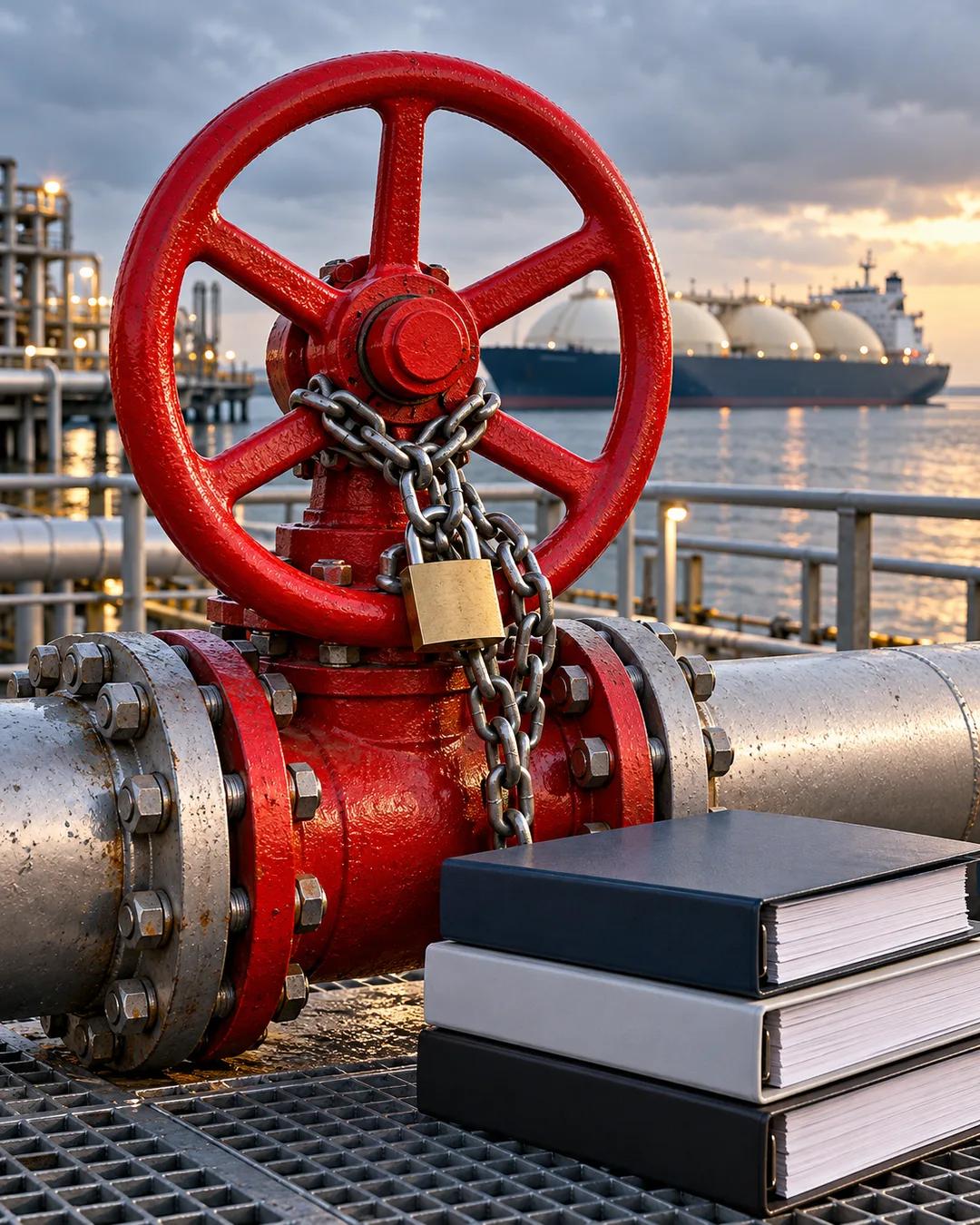
Shutting off LNG exports isn't simple

Those contracts and financings are attached to the export projects, and within several years the United States will supply about a third of global gas. Allies and other countries, including free trade agreement partners and a growing number of non-FTA ones, depend on it. Exports could be stopped, but it would be very complicated.
Spot cargoes are the easiest to give up. At $8 or $10 gas, some spot cargoes heading for Europe or elsewhere to capture a price uplift might not be lifted, which leaves that gas in the domestic system. Spot cargoes alone can't solve the problem, though. It would take cutting contracted cargoes, such as those that a Japanese utility is counting on to supply its electricity.
If the US can't deliver 30 to 35 billion cubic feet a day, Europe would probably face a trade-off between Russian gas and much more expensive US gas, and Asia, which was the largest buyer of US gas before the Russia-Ukraine war, could become the largest again. Curtailing LNG would be one of the levers to consider late in the decade to deal with rising electricity prices.
Why do LNG deals rely on long-term contracts?
Building an LNG export terminal costs billions of dollars, and lenders want assured revenue before they fund it. Buyers sign contracts that commit them to take cargoes for fifteen to twenty years. Those contracts typically make the buyer pay for capacity whether or not it lifts the gas.
What is a spot cargo?
A spot cargo is a shipment of LNG sold for near-term delivery instead of under a long-term contract. Traders can redirect these ships to whichever region pays the most. Because they are not tied to a single buyer, they are the most flexible portion of LNG trade.
Why did Europe turn to US gas after 2022?
Russia supplied a large share of Europe's pipeline gas before its 2022 invasion of Ukraine, and flows then fell sharply. Europe built floating import terminals and bought LNG from the United States and Qatar to replace them. The shift made US LNG a major part of Europe's supply within a year or two.
More from Invest Like the Best with Patrick O'Shaughnessy