Korva is a scroll of the internet’s best ideas.
Siberian collider contradicts its own past
A low-energy collider
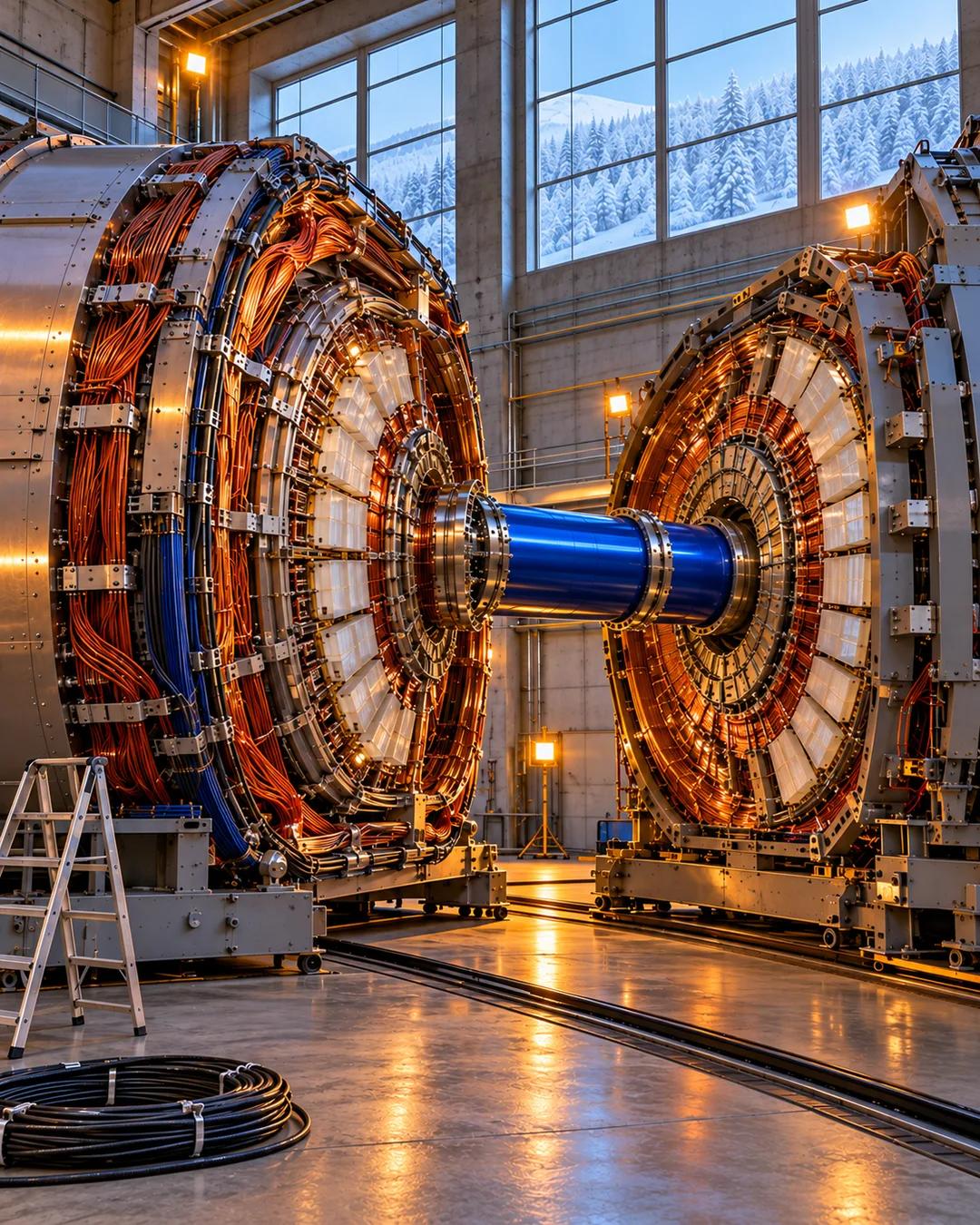
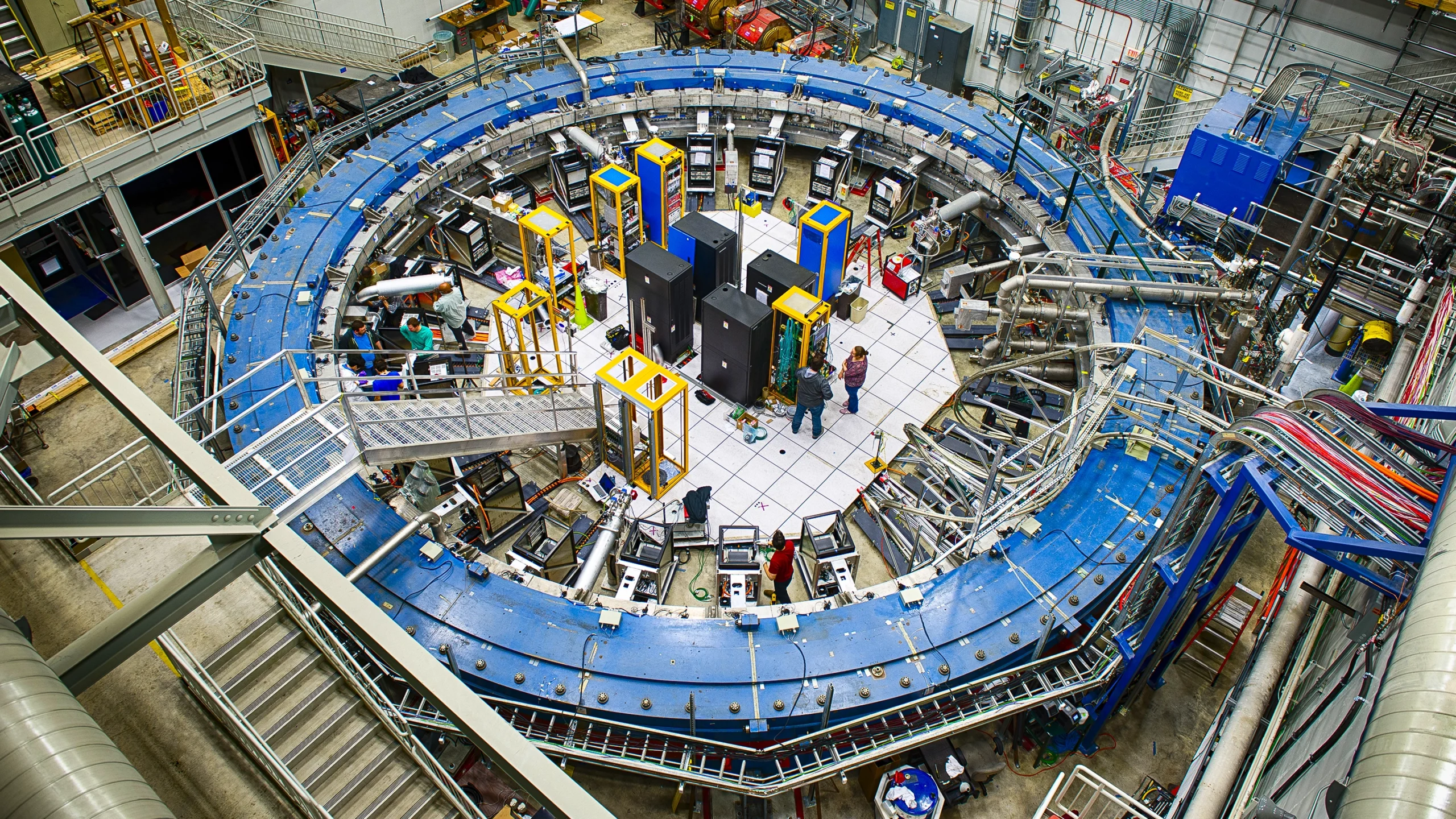
The VEPP-2000 collider in Novosibirsk has been crashing electrons into positrons on and off since the turn of the millennium. It runs at 6,000 times lower energy than the Large Hadron Collider near Geneva. Two detectors count how often bundles of quarks called pions pop out of the crashes, and physicists have used those counts to infer how much the strong force messes with muons, the heavier cousins of the electron.
The new detector
In 2010, a completely new detector went in. It measured the pion production rate more precisely, and the results, published in 2023, showed the rate had changed significantly. Faint hints had already appeared: measurements from experiments in Italy and the United States were drifting apart. A sharp break from the detector's own past results, paired with a claim of high precision, made the change hard to ignore.
Two possible explanations
Researchers have pored over the new measurement and found no problems. Recent lattice simulations line up with the new rate, and preliminary data from the other detector at VEPP-2000 seem to match it. A 2023 analysis of earlier data from the BABAR experiment in California agrees closely with the older rate. Either unknown particles are meddling with the quarks, or overlooked details in the experiments are making the quarks look like they misbehave.
Why collide electrons to learn about quarks?
Electrons and positrons are point-like particles that annihilate completely when they meet, so all their energy lands in one burst with a precisely known size. That burst can turn into a pair of pions or other particles made of quarks. Colliding protons would instead produce a messy spray, because protons already contain quarks and gluons in motion. Counting the particles produced at each collision energy gives physicists the numbers they feed into the muon prediction.
Why would a new detector change the count?
Every detector misses some events and misidentifies others, so physicists correct raw counts using simulations of how the detector responds. A new design brings new corrections, and a small error in them shifts the final rate. This is why measurements of the same quantity from differently built detectors are valued. Disagreement between independent detectors is a standard way of catching a hidden correction.
Why does the pion pair rate carry so much weight?
In electron-positron data, the channel that produces a pair of pions is the largest single piece of the strong force's contribution to the muon's wobble. The calculation also weights low collision energies most heavily, which is where a machine like VEPP-2000 operates. A small shift in the pion rate at those energies therefore moves the final prediction noticeably.
More from Matt von Hippel