Korva is a scroll of the internet’s best ideas.
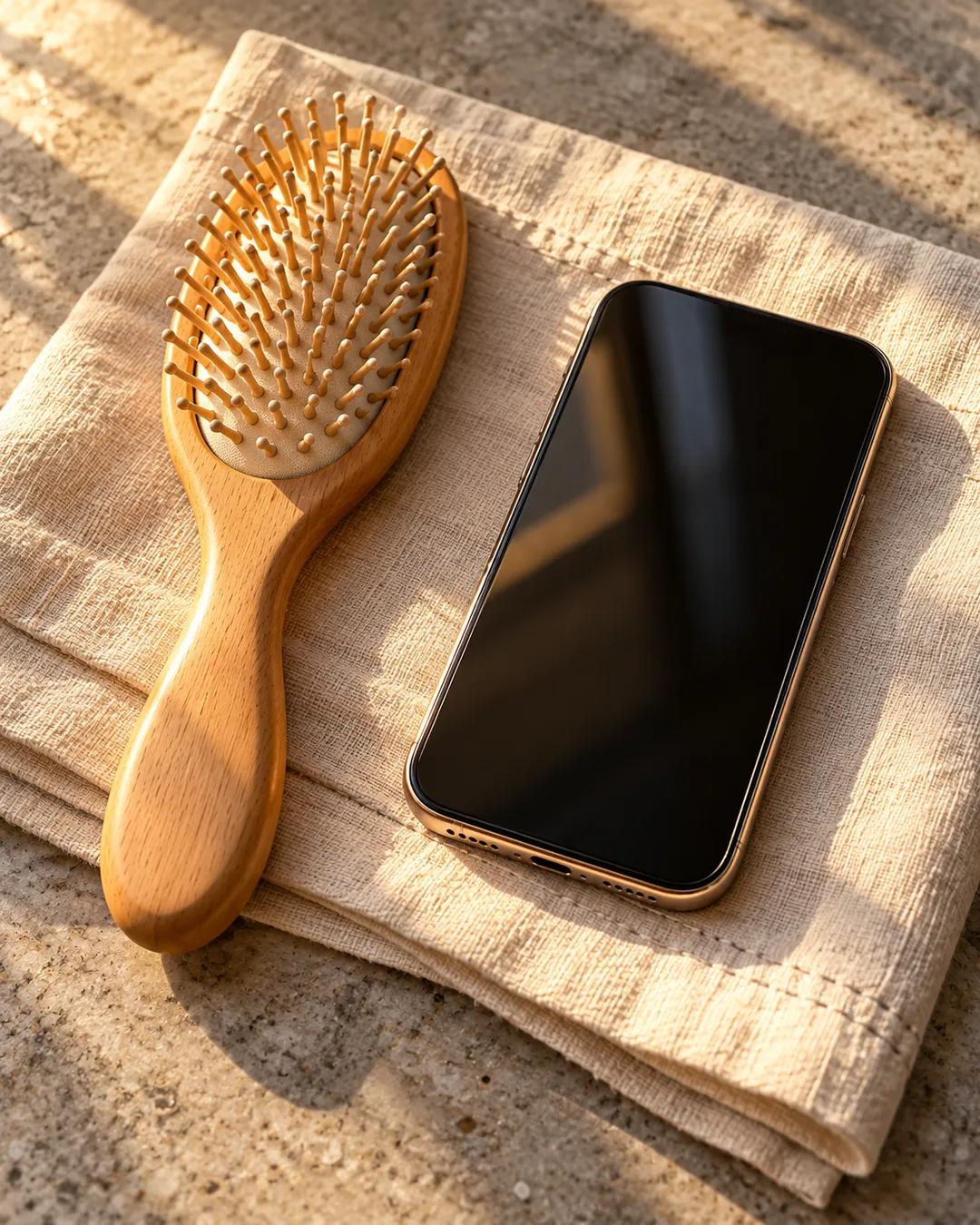
Silicon Valley forgot beauty

Scale over feeling
Incentives and material success were wired to scale, growth, and compounding algorithms, and nobody paid for how a product makes a person feel. Ask people for the last piece of technology they loved and the answers include a Dyson vacuum cleaner, a Dyson Airwrap, and the small iPhone SE, which some people still carry because it is beautiful.
Ive and the Mac
Jony Ive thought computers were ugly and tacky until he started using a Mac, years before he worked at Apple. He could tell there was a human behind it who cared. A biography of him keeps returning to feeling, and he described redesigning hairbrushes in terms of how they make a person feel.
Why beauty wins
As technology takes over more of daily life, what matters is what is authentic, what is beautifully designed, and what it feels like to be around. A brand with a TV commercial is the smaller part of that. Founders who bring the ability back will win, and those without it have no chance.
Why did Dyson build thousands of prototypes?
By Dyson's own account, James Dyson built 5,127 prototypes of his bagless cyclone vacuum cleaner over about five years. Established manufacturers declined to license it, so he launched the DC01 himself in Britain in 1993. Within about 18 months it became the best-selling vacuum cleaner in the country, according to the company. The cyclone idea came from a sawmill he saw using a cyclone to remove dust.
Where did Apple's attention to feel come from?
In his 2005 Stanford commencement speech, Steve Jobs said a calligraphy class at Reed College taught him about typefaces and spacing, and that the Macintosh became the first computer with beautiful typography. Jony Ive joined Apple's design team in 1992 and became its head of design in 1996. His first major product after that was the 1998 iMac, which shipped in a translucent colored case.
More from David Senra