Korva is a scroll of the internet’s best ideas.
Smart people track only work energy

Two kinds of energy
Social energy goes to conversation, presenting ideas, managing conflict, and getting things done with people. Work energy goes to tackling tasks, breaking down goals, and clearing piles. Many smart people plan the morning around tasks and email and overlook what interactions cost.
What charges you
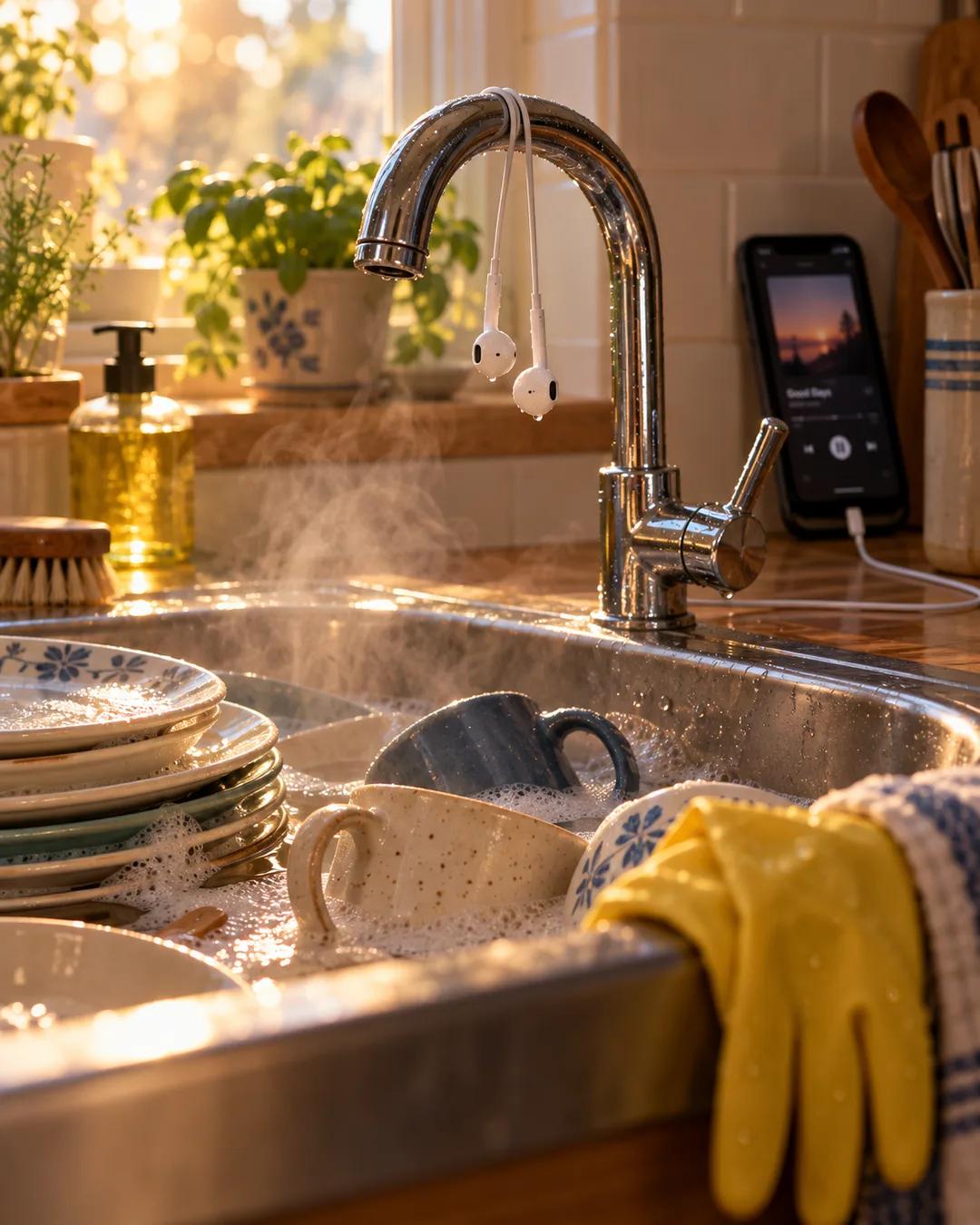
What charges and drains each kind varies by person. One person gets social energy from one-to-one conversations and teaching and loses it to chitchat, where even a few minutes of small talk with a driver drains the battery faster than a deep conversation. Introverts may find most social things draining. Tasks work the same way: washing dishes with a podcast on is a happy place for one person and dread for another.
How burnout builds
Burnout can come from a pattern. A person whose top social energy is dinner at home may be wiped by the end of a week with several dinners out, and start questioning bigger things in life when the real cause was a little too much draining work and not enough of the energizing kind.
Where did introvert and extrovert come from?
The Swiss psychiatrist Carl Jung introduced the terms in his 1921 book Psychological Types. He described extraverts as directing their energy outward toward people and objects, and introverts as directing it inward. Later psychologists turned the terms into measurable personality traits. Brian Little has proposed that people act out of character for projects they care about, then retreat to what he calls restorative niches to recover.
Why does conversation cost so much effort?
In a 2009 study in the Proceedings of the National Academy of Sciences, Tanya Stivers and colleagues compared turn-taking in ten languages. The typical gap between one speaker finishing and the next starting was only a few hundred milliseconds in every language. Preparing a reply takes longer than that, which means listeners start planning what to say while the other person is still talking. Average gaps in all ten languages stayed within a fraction of a second.
More from The Mel Robbins Podcast