Korva is a scroll of the internet’s best ideas.
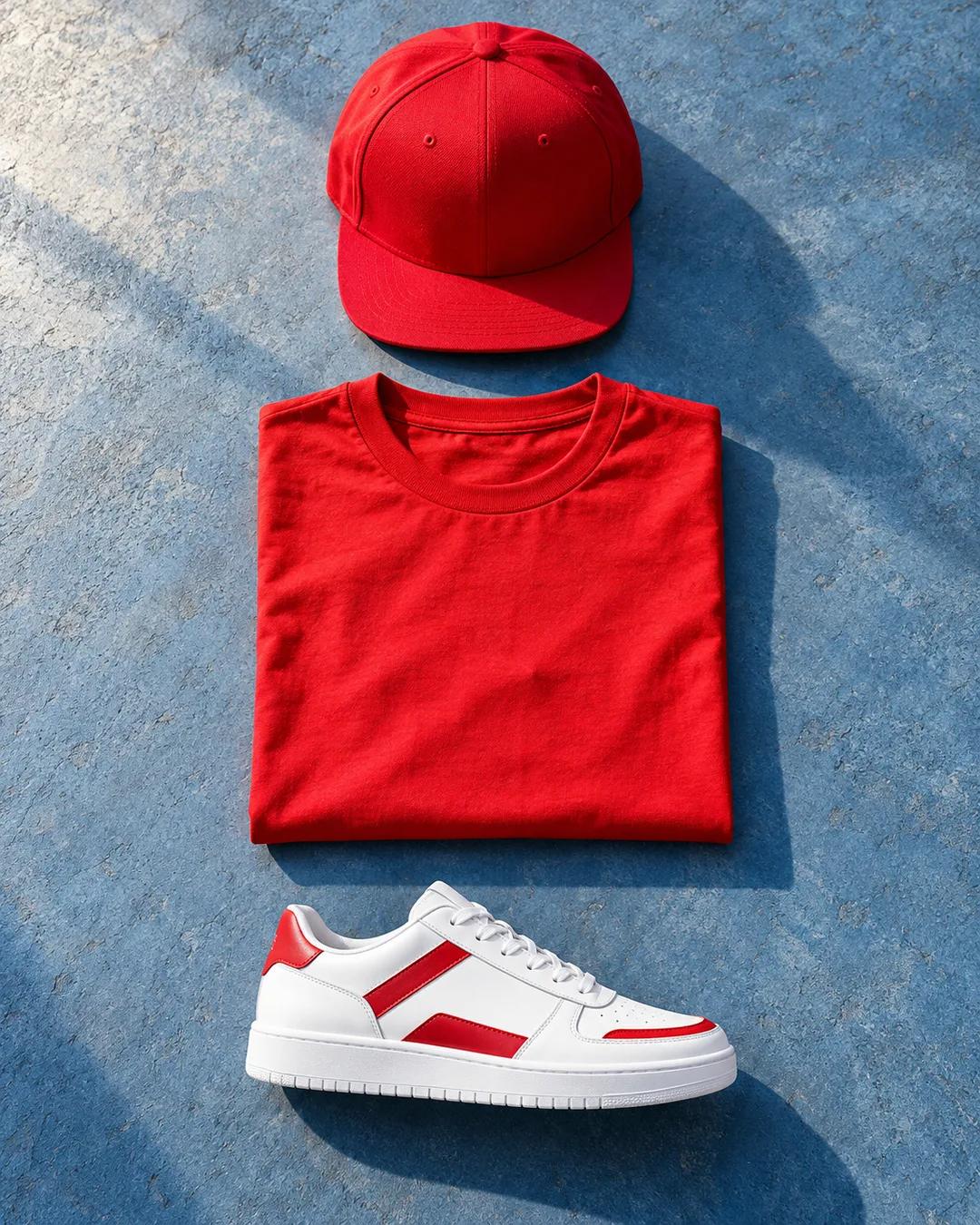
Sneakers for people who don't run

The Gap Nike Left
Nike at the time was all about athletes and performance, with Just Do It, and wasn't doing lifestyle. Steve Stoute, running Reebok's marketing, saw that people wore sneakers to match a hat and a shirt. Fashion was the white space left.
Picking Non-Athletes
So he picked people who didn't want to run or jump at all. Jay-Z was the clearest version: he gives off the vibe of chilling, not athletics. First came the S. Carters, with a mixtape built around the sneaker, then a commercial with 50 Cent and Jay-Z, then G-Unit. After that came Pharrell's sneaker, which Pharrell regards as his start in footwear.
The Payoff
Nobody at the time understood why Reebok was spending on the 50 and Jay-Z spot. Stoute's only way to explain it was to imagine selling a product to housewives and having Martha Stewart and Oprah together. The line got hot enough that Reebok got a chance to return to performance, and Reebok went after Kobe and then LeBron.
Why did Adidas sign a rap group?
In 1986 Run-DMC released 'My Adidas,' a song about their shell-toe sneakers. Adidas executives attended a show at Madison Square Garden and saw fans hold up their sneakers during the song. Adidas then signed the group, in a deal widely described as the first major sneaker endorsement for a music act.
How did Just Do It shape Nike?
The agency Wieden+Kennedy created the line for Nike in 1988. The campaign centered on athletes and effort, which fit a brand selling performance gear. Nike's annual revenue grew from about $1.2 billion in fiscal 1988 to more than $9 billion by fiscal 1998, according to the company's annual reports.
More from David Senra