Korva is a scroll of the internet’s best ideas.
Snoring up 1300% in 24 hours

Why only two people
The study was small because nobody would fund a big one. The plan had been about 40 people and half a million dollars, but the chief of rhinology research at Stanford thought a large trial would be unethical, given the damage it would do to participants. He allowed two, and the pair paid for it themselves. He gave them access to his rhinology equipment and pulmonary function tests, and they controlled exactly what they ate and when.
Ten days of mouth breathing
Ten days of forced mouth breathing came first, followed by ten days of nose breathing. Within 24 hours snoring rose 1300%, and sleep apnea developed within days. Blood pressure climbed 13 points, into stage one hypertension. Heart rate variability, a measure of stress, plummeted, and stress hormones spiked. A bacterial infestation took hold in the nose, with a sinus infection on the horizon, along with fatigue, brain fog, irritation, and anxiety. The second participant went from zero snoring to four hours of snoring a night and also developed sleep apnea.
The fast recovery
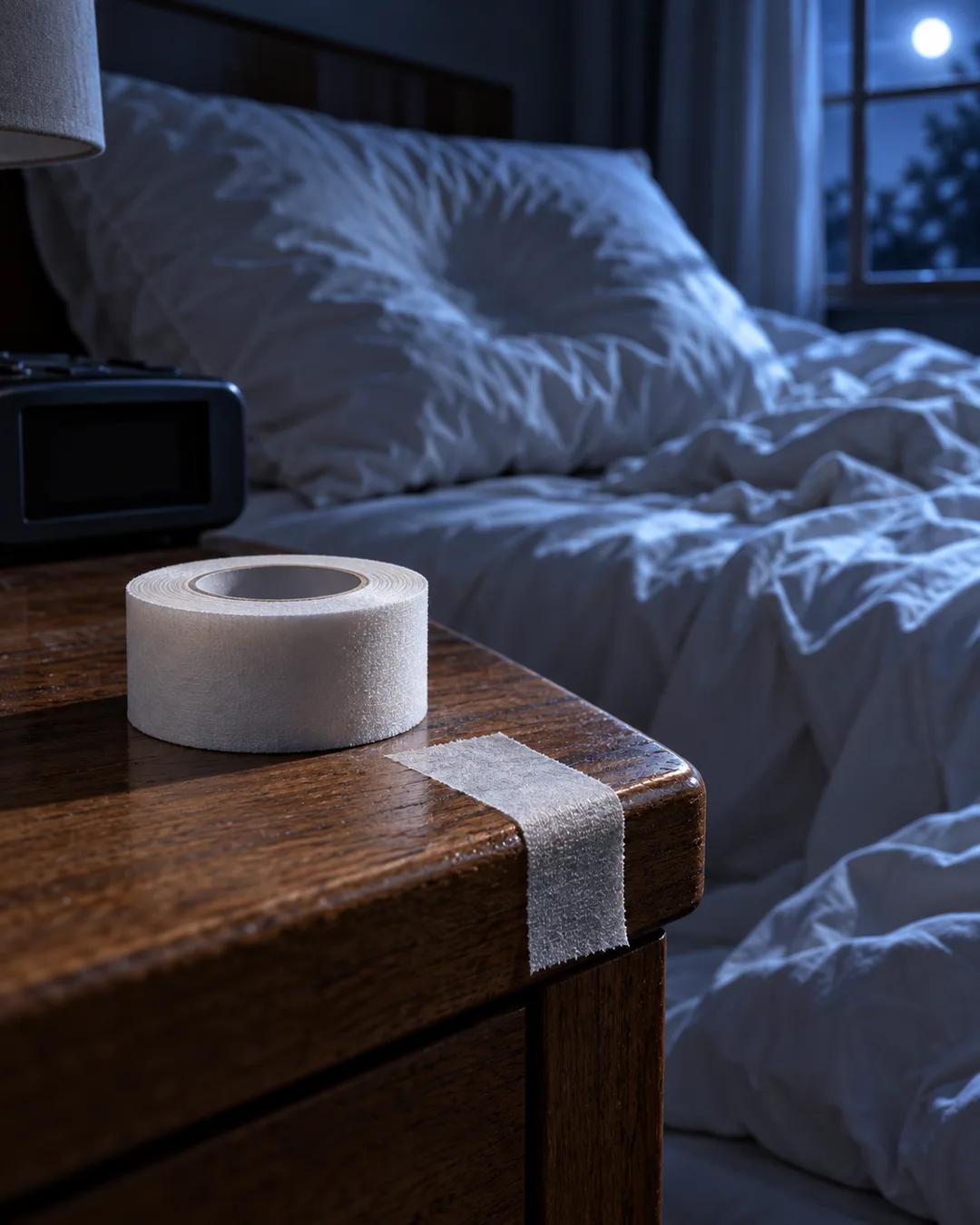
Recovery was just as quick. Once both were breathing through the nose at night, with the mouth taped, the snoring and the sleep apnea were completely gone 48 hours later. The first few days were funny, and by day eight or nine they were just angry.
Why does mouth breathing make snoring worse?
When the mouth opens, the jaw drops and the tongue slides backward, narrowing the airway behind it. Air squeezing through a narrower passage moves faster and sets the soft tissue of the throat vibrating, which is the sound of snoring. In obstructive sleep apnea, that tissue collapses far enough to block airflow completely. The back of the throat is the weak point because it has no bone or cartilage to hold it open.
How can disrupted breathing raise blood pressure?
Each time the airway closes during sleep, blood oxygen drops and the sympathetic nervous system releases stress hormones such as adrenaline. Those hormones narrow blood vessels and speed the heart. Studies of people with obstructive sleep apnea link the condition to sustained high blood pressure. Under the 2017 American College of Cardiology and American Heart Association guideline, stage one hypertension begins at a systolic reading of 130.
What does heart rate variability actually measure?
It measures how much the time between heartbeats varies from one beat to the next. A healthy heart does not tick like a metronome, because the vagus nerve and the sympathetic nerves keep adjusting its pace. When stress hormones dominate, those adjustments shrink and the gaps between beats become more even. The gaps are measured in milliseconds.
More from The Rich Roll Podcast