Korva is a scroll of the internet’s best ideas.
Some customers want the same printer

The printer that works
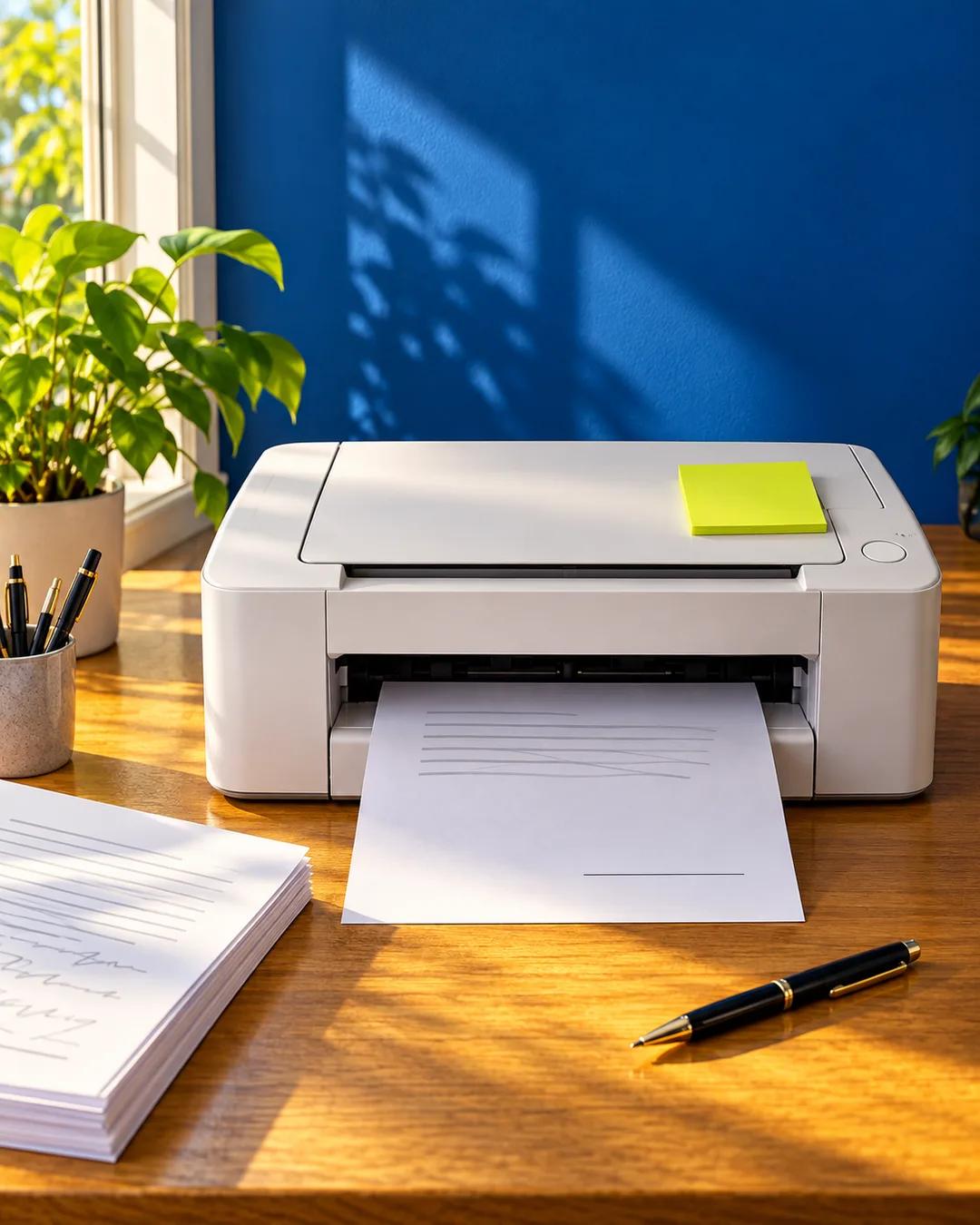
The Brother HL-2340DW was the first printer plugged in that simply worked, with no firmware drama. The job is printing a document that needs a wet signature, signing it, and scanning it, and nothing else the printer could do matters.
Basecamp customers
A huge contingent of Basecamp customers treat Basecamp the same way. They had a problem, with things falling through the cracks and projects turning into email messes, so they signed up, found that it did the job, and now they just use it. They don't want features moved around, and the launch of Basecamp 5 brought feedback that the button was on the right yesterday and now it is somewhere else. Selling a product that looks 15 years old to new people is difficult.
Products that finish
Physical products avoid this. A knife is done when it ships, and so is an album or a movie, and people understand that. With SaaS software, three months without an upgrade makes customers wonder whether the company is dead.
Why do SaaS customers expect constant updates?
Software as a service is sold as a subscription, so customers pay every month instead of buying a copy once. Salesforce launched in 1999 as a subscription web application and helped popularize the model. Under a subscription, a steady stream of visible updates is one way a company shows it is still investing in the product. A product that looks unchanged for months can read as abandoned even if it is running fine.
Why does a moved button annoy people?
Frequent actions become automatic through repetition, so the hand and eye go to a fixed spot without conscious thought. Psychologist Paul Fitts published a model in 1954 showing that the time to reach a target depends on its distance and size, which is why interface designers care about where buttons sit. Moving a button forces the user to search again for something they used to hit without looking.
Why do some documents still need ink signatures?
The US ESIGN Act of 2000 gave electronic signatures the same legal weight as handwritten ones for most commercial transactions. It excludes certain documents, such as wills and some court papers. Individual institutions and countries also set their own rules for which documents they accept in electronic form. Notaries and some government offices still ask for ink in many places.
More from David Senra