Korva is a scroll of the internet’s best ideas.
Staying up late beats waking early
Early birds and night owls
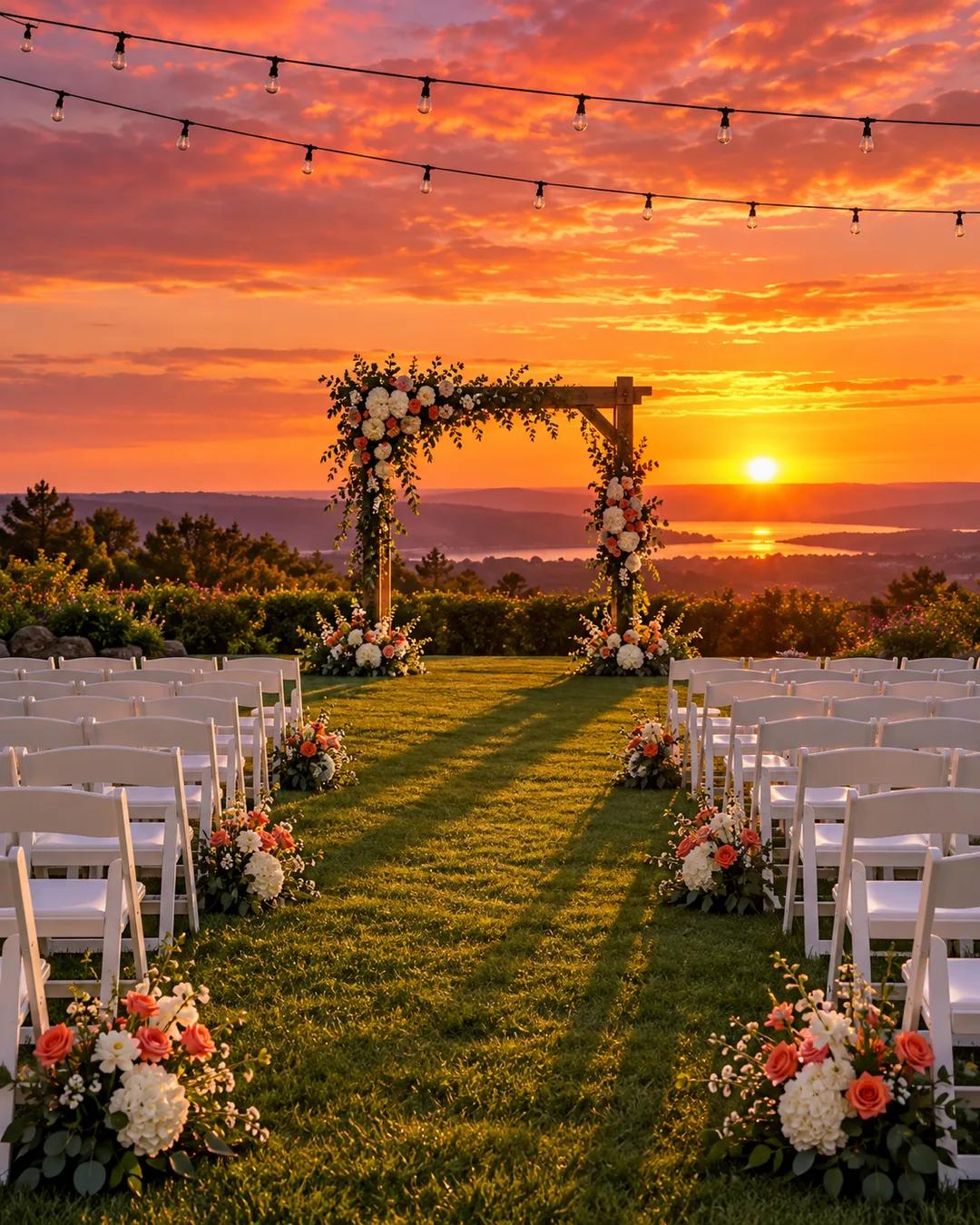
Picture an outdoor wedding where the couple is choosing between sunrise and sunset. About 20 percent of people are early birds by chronotype, genetically hardwired to rise and sleep early. Night owls get up after 9 AM and stay up late, while the majority get up between 6 and 8 AM and sleep between 10 PM and midnight.
Sunrise versus sunset
A sunrise ceremony forces everyone to get ready very early, with little time to dress or catch morning light. A sunset ceremony meets night owls in what is more or less their early afternoon, lets the 6-to-8 AM majority stay for the party and go to bed a little later than usual, and gives the most guests time to arrive alert and rested. The early risers might struggle with the party, though they would be fine as well.
Matched schedules in couples
Chronotypes are real, and some argue that matched schedules are critical for a couple while others argue that slightly different ones are good. No real studies exist on that, and either can work. Watching a sunrise together is great, sunsets are great, and watching both is even better.
How do genes make some people night owls?
Variants in clock genes shift the timing of the body clock. In a 2017 study in Cell, Alexandra Patke and colleagues at Rockefeller University identified a variant in the gene CRY1 in families with a delayed sleep phase. The variant lengthens the molecular clock's cycle, which pushes sleep later. Roughly one in several hundred people of European ancestry carry it.
Why do teenagers turn into night owls?
Till Roenneberg and colleagues surveyed about 25,000 people and reported in a 2004 paper in Current Biology that chronotype shifts later during adolescence. The shift peaks around age 20, then drifts earlier through adulthood. Researchers use that peak as a marker for the end of adolescence.
Why is it hard to fall asleep early?
Peretz Lavie described a period in the hours before habitual bedtime when the circadian alerting signal is strongest, a stretch he called the forbidden zone for sleep. In his 1986 work in the journal Sleep, volunteers had a much harder time falling asleep during it than later in the evening. Researchers now often call it the wake maintenance zone.
More from Andrew Huberman