Korva is a scroll of the internet’s best ideas.

Suits only for weddings, funerals
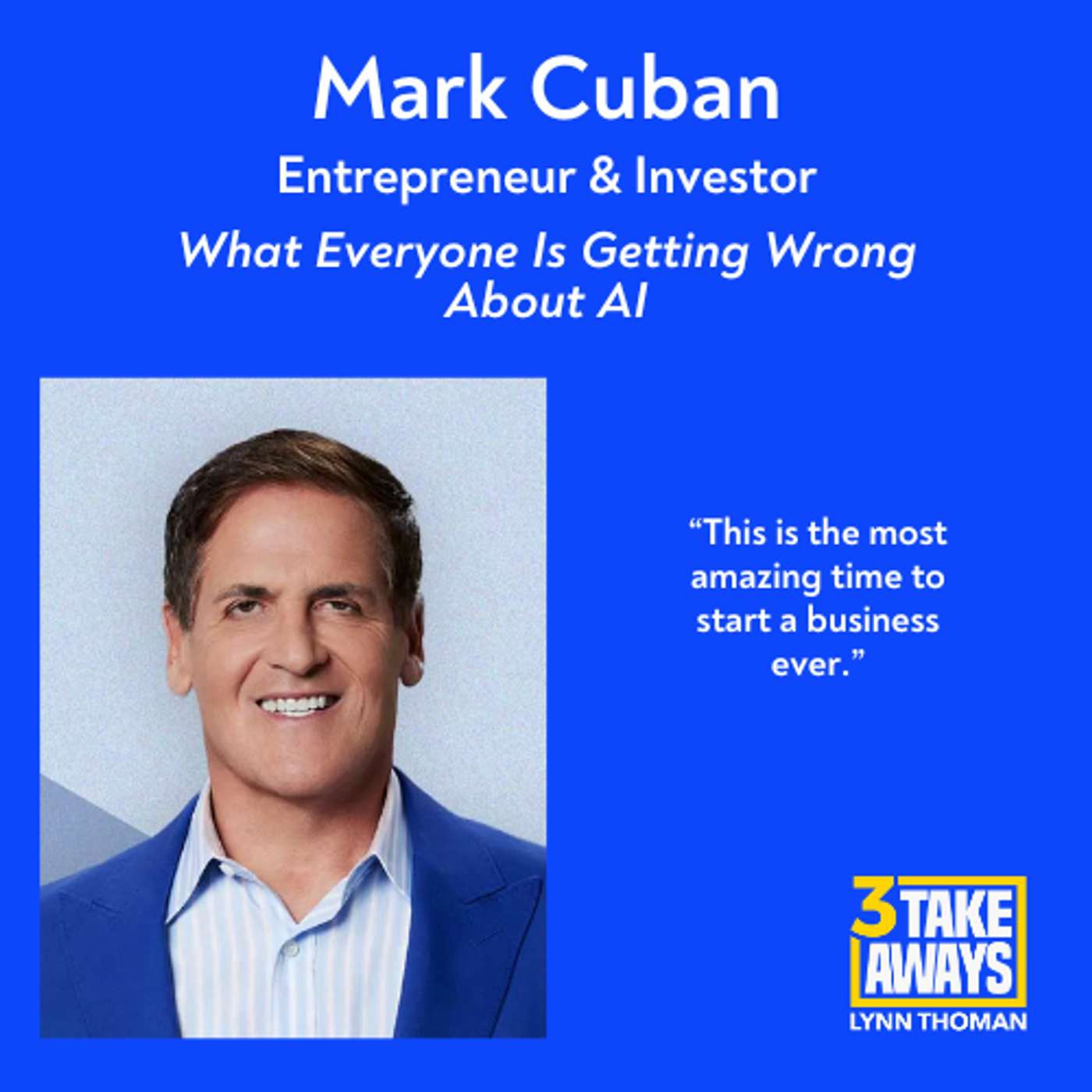
Climbing the Wardrobe
Mark Cuban grew up in the yuppie era of Alex Keaton. His first suits were two for $99. When he could afford more, he bought used suits that were nicer, and with a little more money he decided he needed brands and needed to show off.
Dropping the Suit
Then it struck him as dumb. A suit isn't comfortable, a tie least of all, and there's no good reason on earth to wear one. He has told people for years that the only times they'll see him in a suit are weddings, funerals, when somebody is going to write him a big check, or when he's about to close a big deal.
What Matters Now
He drives a Kia EV6 now. Looking back over everything he has accomplished, impressing people is the thing that matters much less than he expected.
How did the necktie begin?
Croatian soldiers serving in France in the 1600s wore cloth neckpieces that caught the eye of the French court. The French word cravate comes from croate, meaning Croat. King Louis XIV adopted the style, and it spread across European fashion over the following century.
Why did the suit become the office uniform?
The modern suit traces to the lounge suit, which appeared in England in the 1800s as relaxed wear for leisure. By the early 1900s it had replaced the frock coat in offices. The weekday business suit became standard across much of the Western world during the twentieth century.
How did the yuppie era shape dressing for success?
John T. Molloy's 1975 book Dress for Success argued that clothing affected how colleagues and clients treated people at work. The term yuppie, for young urban professionals, spread after Newsweek declared 1984 the Year of the Yuppie. Molloy followed his book with a version for women in 1977.
More from 3 Takeaways