Korva is a scroll of the internet’s best ideas.
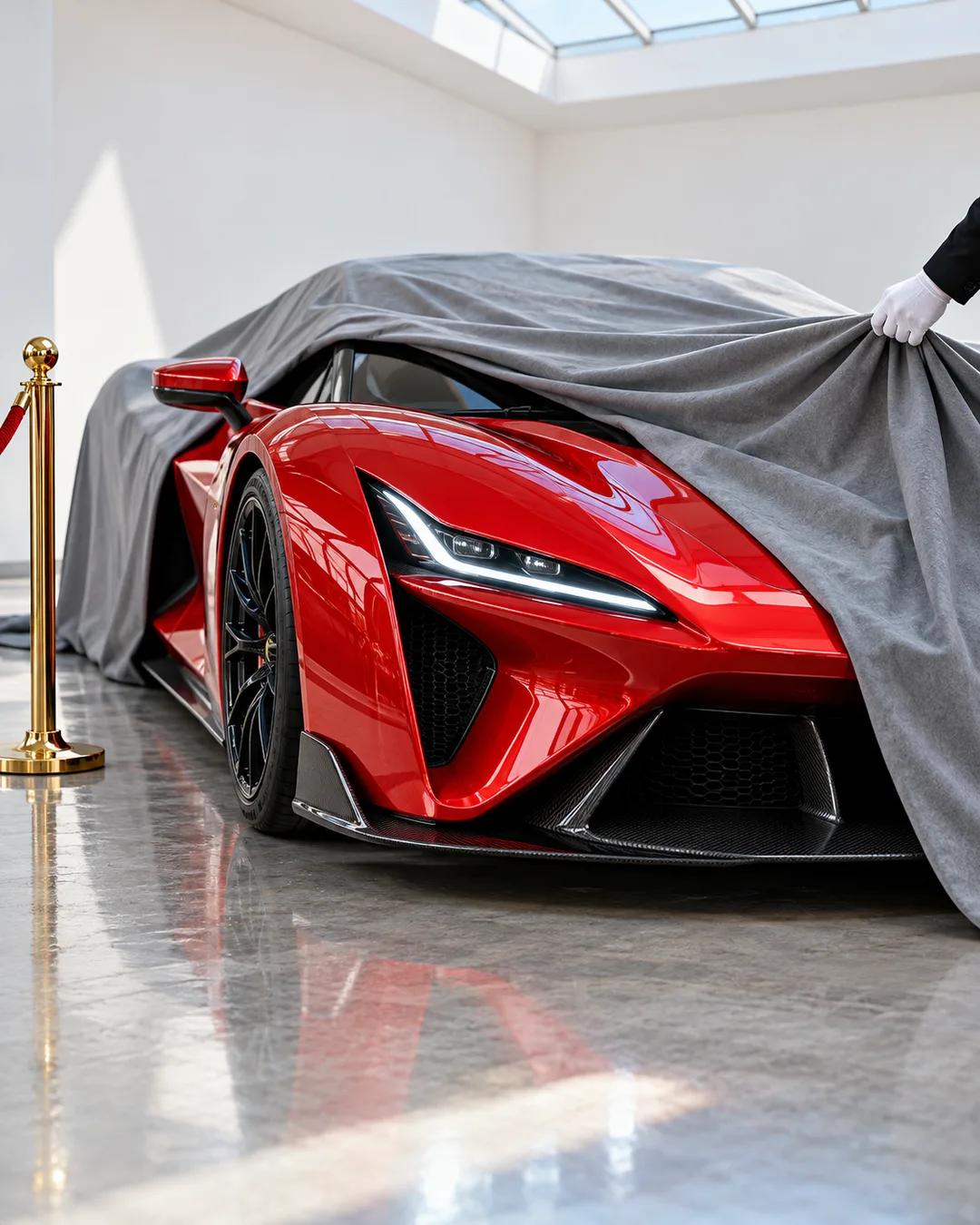
Supercars carry Ferrari's profits

The F80 Math
Take the F80, Ferrari's current supercar. All 799 cars were sold before the car was even announced to the public. Reasonable estimates put the average selling price near $4 million, which makes $3.2 billion at retail for the entire run.
After a 10 percent retail margin that goes to the dealership, that is about $2.9 billion of revenue for Ferrari, delivered over roughly two and a half years. In the first 12 months it would account for around 15 percent of Ferrari's annual revenue, from one model.
The Margin Gap
Ferrari has disclosed that the Icona series and the supercars carry higher margins than the rest of the line. Credible estimates put gross margins on the supercar at 80 or 90 percent, against perhaps 30 to 35 percent for the core range. Buyers are wildly insensitive to price, so when Ferrari adds an extra $10,000 of something nice to a supercar, it marks it up much more.
At those margins, it is not crazy to assume that a car adding 15 percent to revenue in its first year adds more like 30 percent of Ferrari's profits, and possibly more. Supercars are built for only about 24 months once a decade.
Why do supercar buyers ignore price?
Ferrari sells its limited cars only to selected clients, and past examples have often resold for far more than they cost new. The Enzo sold new for roughly $650,000 in 2002 and has sold at auction for several million dollars. Buyers who expect that kind of resale value treat a purchase more like holding an asset than paying a fee.
How often does Ferrari launch a supercar?
Ferrari has launched one roughly once a decade: the F40 in 1987, the F50 in 1995, the Enzo in 2002, LaFerrari in 2013, and the F80 in 2024. Production runs have been small. The F50 was limited to 349 cars, the Enzo to 400, and LaFerrari to 499 coupes.
More from Acquired