Korva is a scroll of the internet’s best ideas.
Surrender and keep your life

The Offer
With only about 100,000 soldiers he could not leave garrisons behind, so local people kept running their cities as before. He held to it. In northern Persia his son-in-law Togtor looted a city that had surrendered, and Genghis Khan stripped him of his rank and sent him first into the next city as a common soldier. Togtor was killed in the next battle.
Who Was Spared
When a city fought and lost, the Mongols killed the leaders, who had not served them well, and usually the army, which could not be folded into their own. They spared everyone with a skill, whether making pots, hammering metal plates, weaving carpets, translating, or reading and writing.
Punishing Defiance
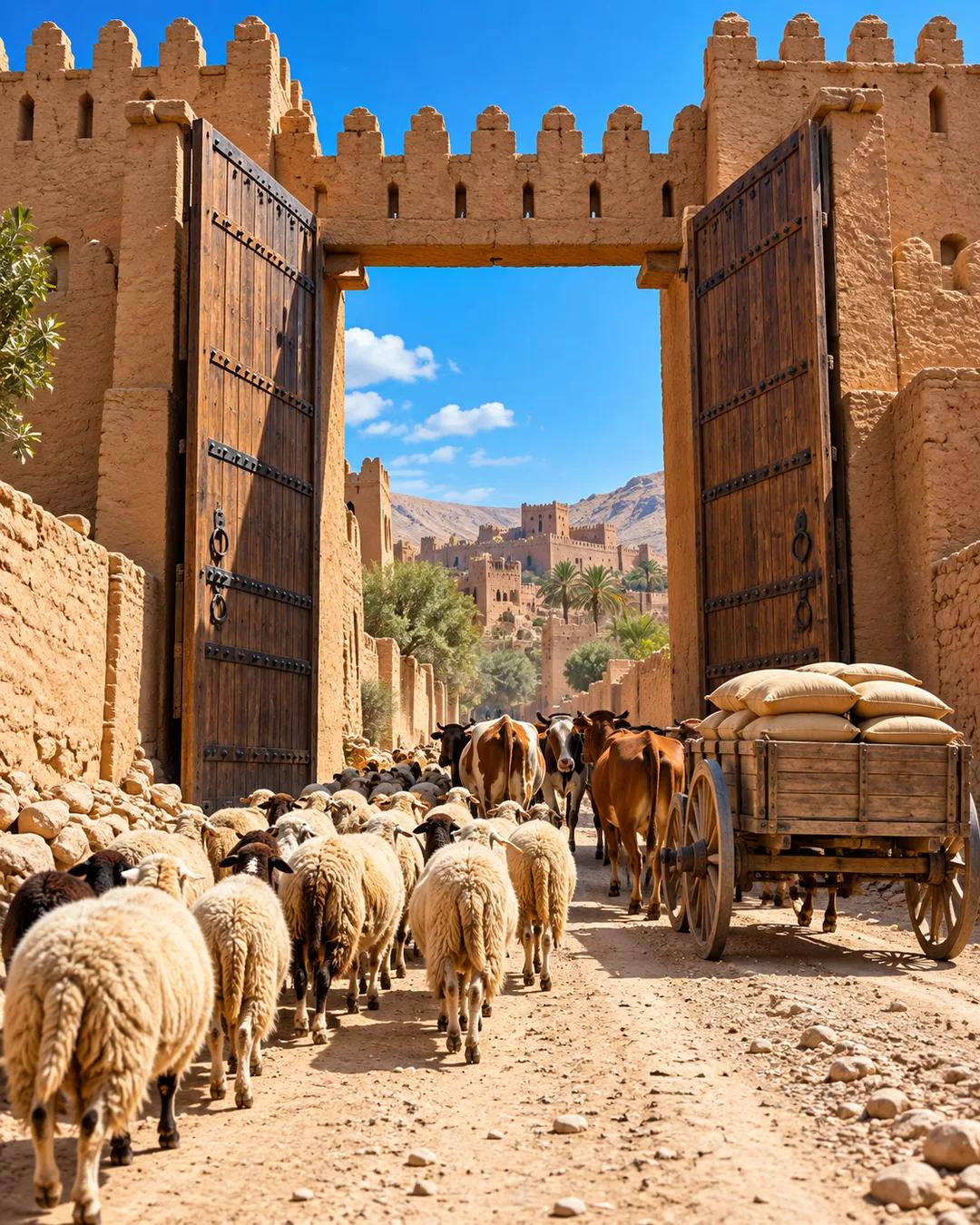
The worst case was a city that surrendered, then once the Mongols were hundreds of miles away refused to send the cows or sheep it owed. Genghis Khan came back, conquered it, and killed everyone. He also made sure plenty of refugees fled to the next city, where they strained its food supply and spread tales of millions killed and children eaten.
Why did Mongols spare craftsmen?
Skilled workers were valuable and hard to replace. After taking Samarkand in 1220, the Mongols reportedly set aside thousands of artisans and sent them east to Mongolia. Engineers, weavers, and metalworkers were then settled in new workshop towns. Genghis Khan treated them as part of the plunder of a campaign.
Are the death tolls in Mongol chronicles reliable?
Persian chroniclers gave enormous figures. The historian Juvayni wrote that 1,300,000 people died at Merv, a number modern historians consider far too high for a medieval city. Medieval writers often counted loosely. The Mongol reputation for slaughter spread widely, and cities facing it often surrendered.
More from Lex Fridman Podcast