Korva is a scroll of the internet’s best ideas.
Tailored numbers get followed

The daily score
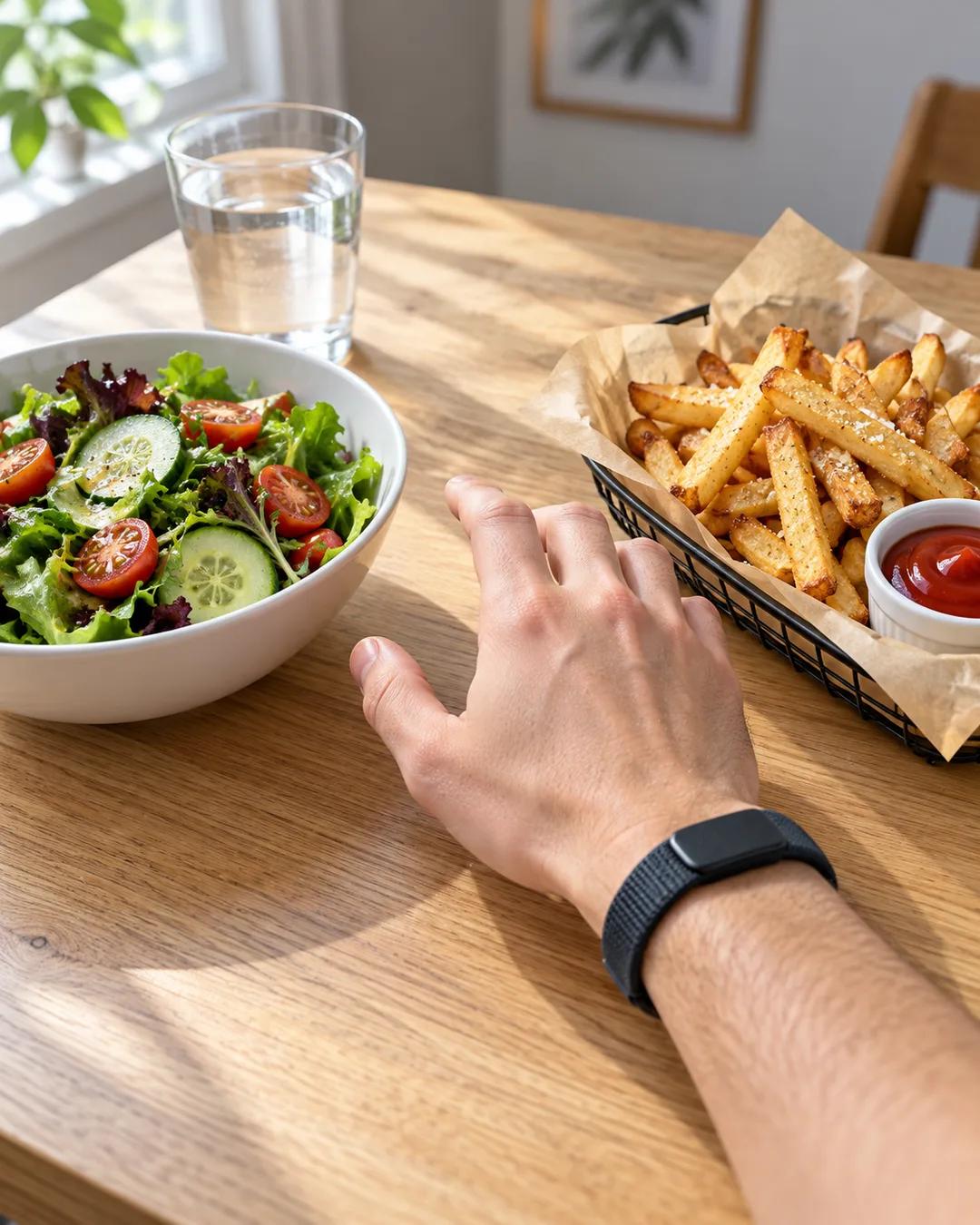
Whoop gives its users a recovery score every morning in red, yellow, or green, meant to show how ready the body is for the day. It draws on stress, whether you feel sick, how well or poorly you ate, and how hard you worked out. The score is a label Whoop came up with for a consumer product rather than a medical device, and its users love it.
Why tailoring works
What makes the advice land is that it is tailored. The device tracks one person, using everything he has fed it over a couple of weeks, so the feedback feels more powerful than a general rule about eating better. A hedge fund trader who wears one calls it a daily report card: clean meals lift his score, and fried, high-sodium food lowers it.
Rewards through the day
The effect carries into the rest of the day. A night of cocktails or a decadent meal shows up in the next morning's numbers, and a great night of sleep or a run of good habits earns positive feedback that feels like a reward.
Why does alcohol show up next morning?
Alcohol raises heart rate and lowers heart rate variability during sleep, and both are inputs that recovery scores lean on. A 2018 Finnish study in JMIR Mental Health tracked more than 4,000 employees with heart rate monitors and found that even small amounts of alcohol reduced the body's overnight recovery signs. Heavier drinking pushed those measures down further.
How effective is tailored health feedback?
Researchers have studied tailored messages for decades. A 2010 meta-analysis by Paul Krebs and colleagues in Preventive Medicine pooled 88 studies of computer-tailored interventions. It found small but reliable improvements in health behaviors compared with generic messages. The behaviors covered included diet, physical activity, and smoking cessation.
Why does heart rate variability signal readiness?
Heart rate variability is the small variation in time between consecutive beats, controlled by the autonomic nervous system. When the calming parasympathetic branch is dominant, beats vary more, and stress shifts the balance toward the other branch and reduces variability. A 1996 task force of the European Society of Cardiology and the North American Society of Pacing and Electrophysiology set the standards for measuring it. Variability is typically highest in young people and declines with age.
More from The Daily