Korva is a scroll of the internet’s best ideas.
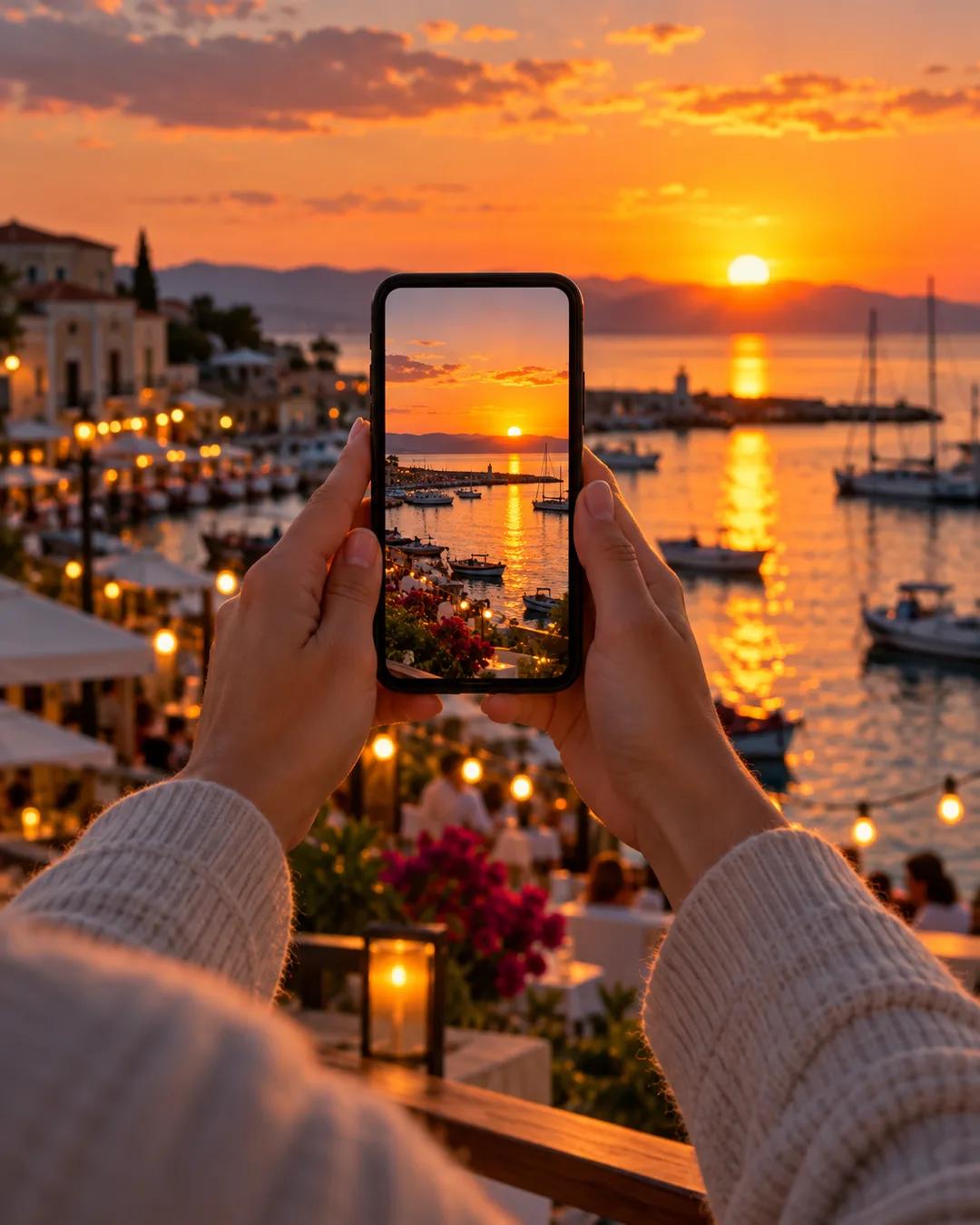
Taking a photo can help memory

The deciding is what matters. Choosing that this is a special moment and deserves a timestamp is a selection process. Research on photographic memory shows that even people with very strong visual memory make errors, though their visual memory is exceptional.
Offloading to a phone can backfire. Taking a photo so you don't need to remember something later can make memory worse, so it can go both ways. People choose between treating a moment as mundane and offloading it, or treating it as special and photographing it.
Sometimes the choice is to leave the camera out and keep the moment as an internal memory. Memory is reconstructive, and the more you retrieve it and go back to it, the more you have the feeling of remembering it.
How can taking a photo hurt memory?
In 2014, psychologist Linda Henkel led museum visitors through a tour in which they either photographed certain objects or just looked at them. The photographers later remembered fewer of the objects and fewer details about them. She called this the photo-taking impairment effect. The camera appears to take over the job of remembering, so the person pays less attention.
Why does recalling a memory change it?
When a memory is retrieved, it becomes unstable for a short time and has to be stored again. This process, called reconsolidation, was shown in rats by Karim Nader and colleagues in 2000, when a drug given after recall disrupted the memory. The re-storing lets new information blend into the old memory. Each recall can strengthen it, and it can also alter it.
Why does choosing a moment strengthen it?
Deciding that an event matters forces a person to attend to it and think about what makes it special. In their 1972 levels of processing framework, Fergus Craik and Robert Lockhart argued that deeper, more meaningful thought produces stronger memories than shallow attention. Choosing a moment is a small act of meaning-making. Experiments have found that people remember words better when they judge their meaning than when they judge their appearance.
More from Andrew Huberman