Korva is a scroll of the internet’s best ideas.
Tea sold for ten times coffee

The spread began in earnest in the early 1600s, when Dutch traders brought tea to Europe in large quantities. Many credit Queen Catherine of Braganza, a Portuguese noblewoman, for making tea popular with the English aristocracy when she married King Charles II in 1661.
At the time, Great Britain was expanding its colonial influence and becoming the new dominant world power. As Great Britain grew, interest in tea spread around the world.
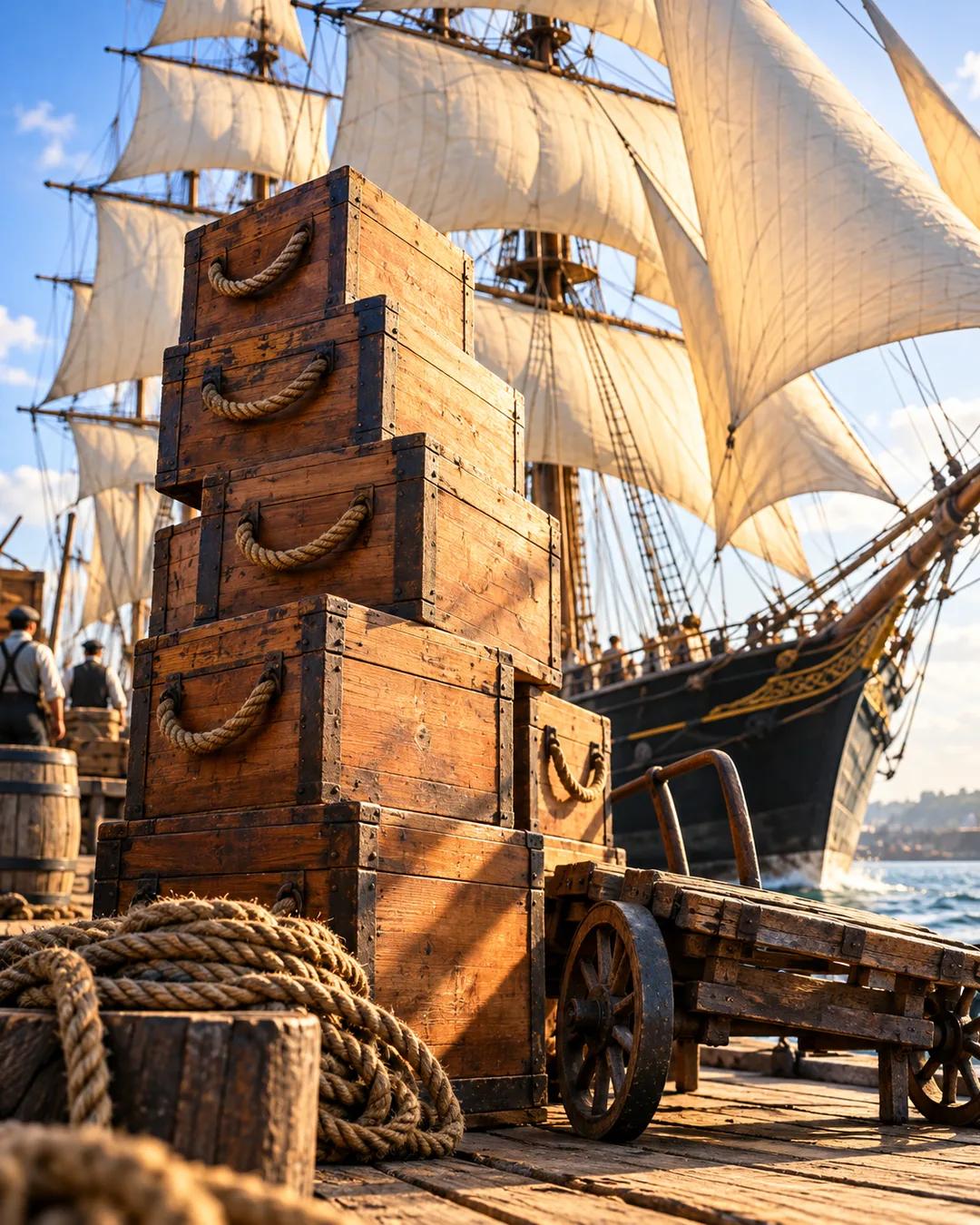
The tea trade was so lucrative that the clipper ship, the world's fastest sailboat, was born out of intense competition between Western trading companies. All of them were racing to bring their tea back to Europe first to maximize their profits.
Why was tea so expensive in Europe?
Every chest crossed half the globe on a voyage around Africa that took months, and each ship risked storms, pirates, and spoilage. Chartered trading companies such as the Dutch and British East India Companies held the rights to bring it in. Britain also taxed tea heavily, and the Commutation Act of 1784 cut the duty from 119 percent to 12.5 percent. Smugglers had supplied a large share of Britain's tea before the cut.
What made clipper ships so fast?
Clippers had narrow, sharp-bowed hulls and very tall masts carrying large areas of sail. The Great Tea Race of 1866 saw the clippers Ariel and Taeping leave Fuzhou, China, and reach London after about 99 days, finishing within hours of each other. Cutty Sark, launched in 1869, was among the last tea clippers built.
What did Catherine of Braganza bring to Britain?
Catherine's dowry included the ports of Bombay and Tangier, along with a large sum of money. Tea was already part of life at the Portuguese court through Portugal's trade with China. At the English court she made a habit of drinking it, and aristocrats followed. Bombay later became a major base for the East India Company.
How did the Dutch get tea first?
The Dutch East India Company, founded in 1602, set up trading posts across Asia, including Bantam on Java, where Chinese merchants brought tea to sell. The first Dutch shipments reached Europe around 1610. Tea was being sold in London coffeehouses by the 1650s, decades after the first Dutch cargo.