Korva is a scroll of the internet’s best ideas.
Testosterone therapy lowers sperm count

The male body makes testosterone through a negative feedback loop, so supplying it from outside shuts down the body's own signals, and sperm count falls. Even small amounts, what some call micro-dosing, reduce it. Whether the count can be brought back up later usually comes out yes, though sometimes it comes out no.
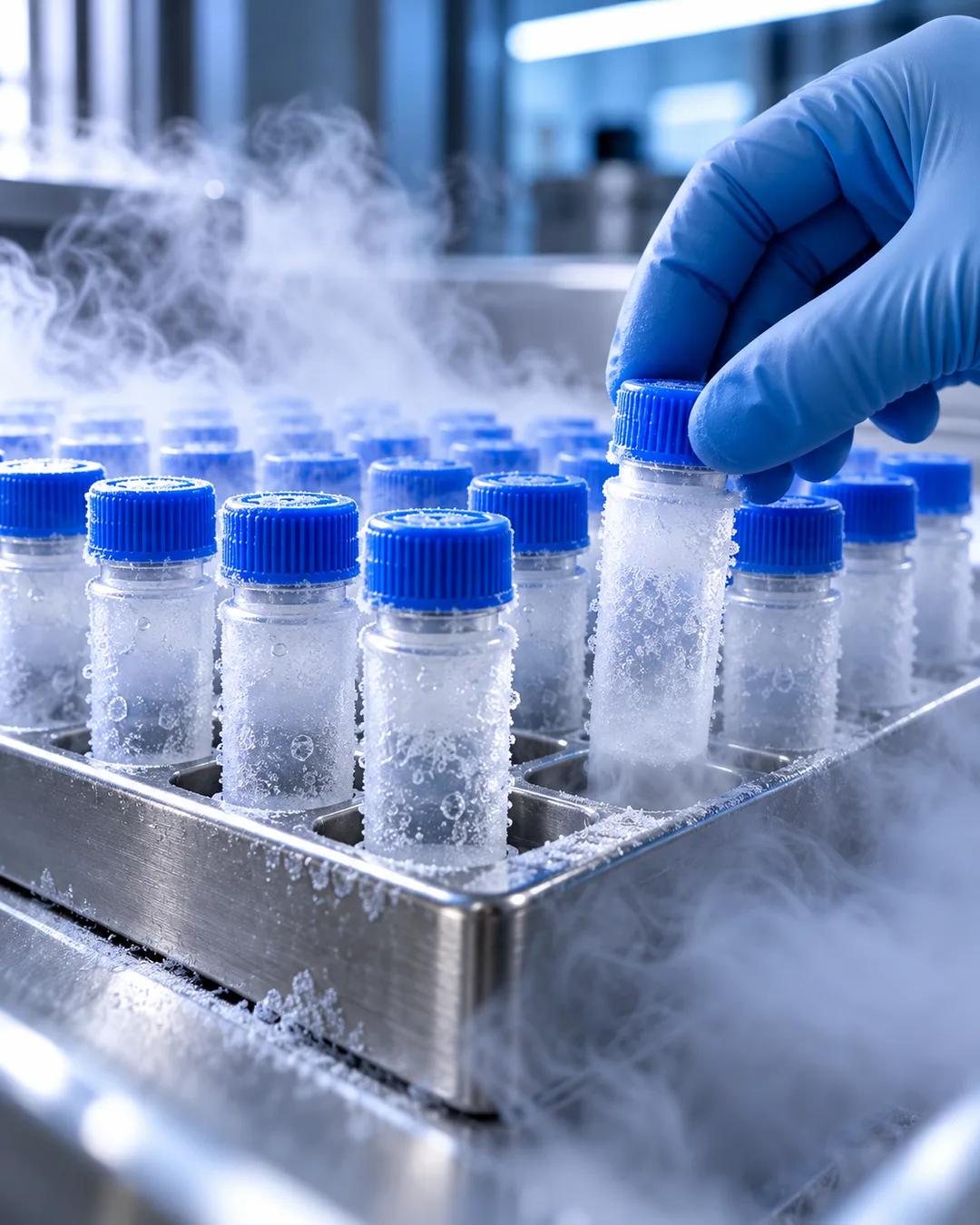
Fertility goals also change over time, so a man who doesn't want children now may want them someday, and freezing a sperm sample is one way to plan for that. Male fertility is also measured in more than one way. Sperm count is one metric, sperm quality has several measures of its own, and a sperm sample analysis is inexpensive, with mail-in home kits and clinics that can give a snapshot at basically any age and in the context of other medications.
How does the testosterone feedback loop work?
The hypothalamus releases GnRH, which tells the pituitary to release LH and FSH. LH prompts the testes to make testosterone, and FSH supports sperm production. When blood testosterone rises, it signals the hypothalamus and pituitary to reduce LH and FSH. Sperm production depends on testosterone concentrations inside the testes that are far higher than the levels in blood.
Why was testosterone studied as contraception?
Researchers noticed that suppressing LH and FSH also suppressed sperm production. A World Health Organization trial published in the New England Journal of Medicine in 1996 gave men testosterone and found that sperm counts fell to very low levels in most volunteers. Counts returned after the injections stopped.
How does freezing preserve sperm?
Sperm samples are mixed with a cryoprotectant such as glycerol, which limits damage from ice crystals. They are then stored in liquid nitrogen at about minus 196 degrees Celsius. At that temperature biological activity is essentially paused. Births have been reported from samples stored for decades.
More from Andrew Huberman