Korva is a scroll of the internet’s best ideas.
The 100-year time capsule was a dud
Ford opens the safe
Photographers filled Statuary Hall in the Capitol as the country marked its 200th birthday. The safe's doors carried an inscription promising that the President of the United States would open it in 1976, and Gerald Ford began pulling out items one at a time. The first was an ink stand from Tiffany, and he squinted at it and said it looked a little different from the ones he had seen.
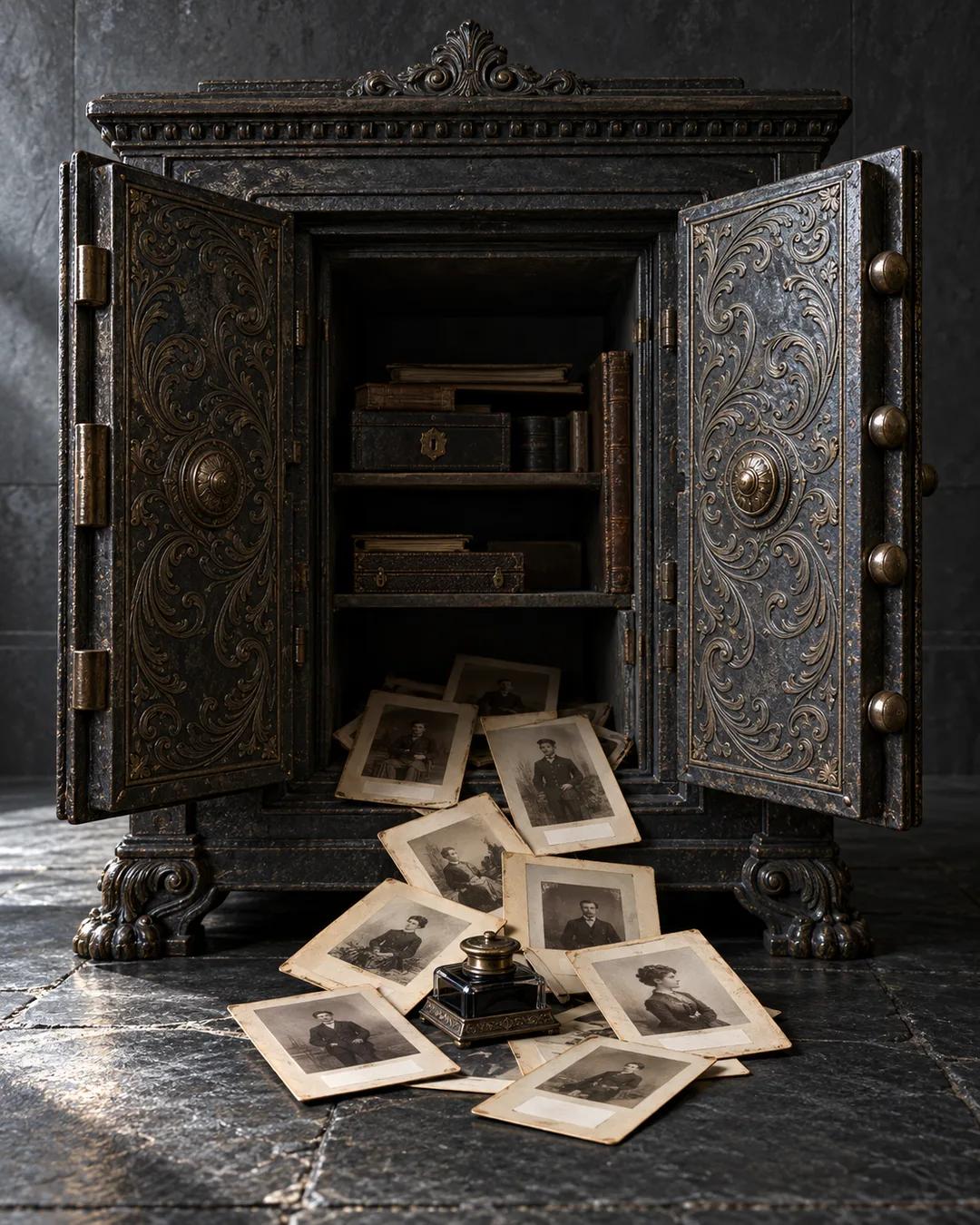
The room was waiting for revelations. What came out were photographs, and nobody could put names to most of them. Ford held up a portrait of an early statesman with no name on it, then a picture of a woman who looked, he noted, mighty pretty, then one of an electoral commissioner who always seemed to get his picture in there someplace. People started laughing.
The full haul
The full haul was photographs of Abraham Lincoln and Ulysses S. Grant, a group portrait of every member of the 44th Congress, and pictures of Anna Dean, who created the safe, and of her family physician. There was a temperance pamphlet, a book listing the 80,000 people who worked for the government in 1876, and an autograph book signed by legislators, clergymen, poets, scientists, and anyone who paid to sign it. Ford interrupted himself to announce that the bells had rung in the House for a vote.
Why do time capsules often disappoint?
Whoever fills a capsule has to guess what strangers decades away will care about, and everyday objects lose the context that made them meaningful. Photographs without names, for example, turn into portraits of nobody in particular. Some later capsules tried to solve this with labels and catalogs. The Crypt of Civilization at Oglethorpe University in Atlanta, sealed in 1940, came with a detailed record of its contents and is scheduled to be opened in the year 8113.
How do old photographs last in sealed storage?
Photographs fade mostly through light, heat, humidity, and air pollution. Albumen prints, the egg-white-coated paper prints that were common in the 1870s, are prone to yellowing and fading when exposed to those conditions. Dark, dry, stable storage slows the chemical reactions involved. That is why archivists keep historic prints in cold, dark, low-humidity rooms.
More from 99% Invisible