Korva is a scroll of the internet’s best ideas.

The 2004 disclosure scorecard
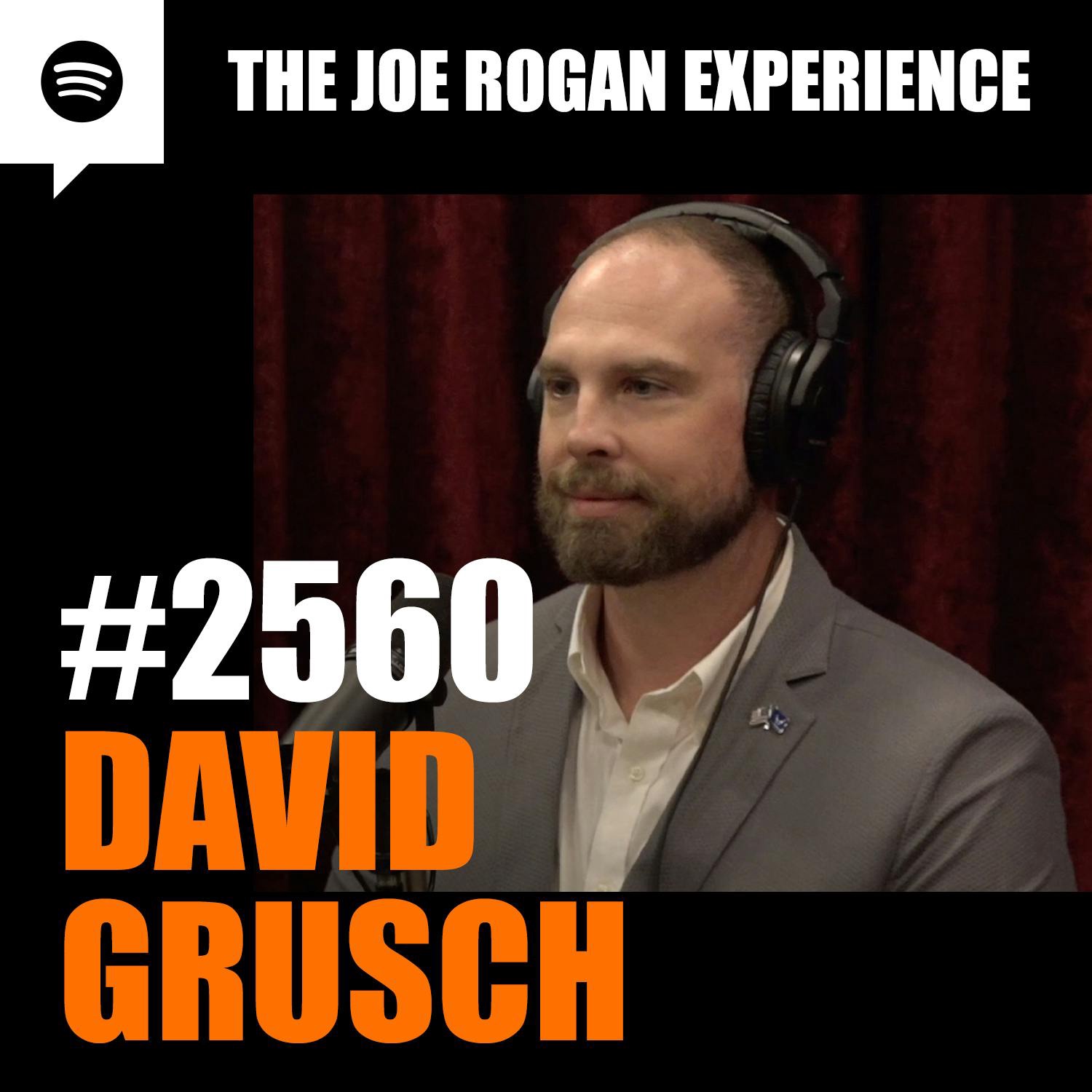
The 2004 exercise
The exercise ran at a federally funded research and development center in Northern Virginia, with Steve Hadley, the national security advisor, behind it. Attendees were given a pro side and a con side and put a numerical value on each effect of disclosure, while a computer system tabulated everything. Virtually every one of them came out with more negative than positive, and the decision was made not to disclose. The Pentagon's AARO office has confirmed the meeting happened but calls it a hypothetical scenario, and Hadley is believed to deny it.
The contract problem
The deciding concern was money. For decades certain contractors held sole-source contracts and exclusive access, developed things, and sold them back to the government. Disclosure would let mid-level small businesses and other contractors challenge that under the Defense Federal Acquisition Regulations, possibly all the way to the Supreme Court, with the government liable for billions of dollars.
Keeping the door shut
The answer was to keep the door shut: a justification and approval for a sole-source contract, because the work was national security and no more people could be exposed. That kept the circle small, which caused brain drain and groupthink and hurt the defense industrial base. Opening it up would put basic, non-sensitive information into undergraduate, graduate, and postdoctoral programs and could trigger a golden era of innovation in America. China, which pulls students from its universities straight into such programs, does not face this problem.
Why do sole-source contracts exist?
The Competition in Contracting Act of 1984 requires federal agencies to use full and open competition in most purchases. The law allows exceptions when only one supplier can meet a need, as with unique technology or national security work. An agency using an exception must file a written justification and approval. Contract regulations for the Defense Department sit in the Defense Federal Acquisition Regulation Supplement.
How do contractors challenge sole-source awards?
A company that believes it was shut out can file a bid protest with the Government Accountability Office or the Court of Federal Claims. The GAO must decide most protests within 100 days. If a protest succeeds, the agency may have to recompete the work or reconsider the award. The Court of Federal Claims can also review the decision and is itself subject to appeal.
How does a small circle cause groupthink?
The psychologist Irving Janis coined the term groupthink in the early 1970s after studying decisions such as the Bay of Pigs invasion. He found that tight, insulated groups with strong leaders tended to suppress doubts and overrate their own judgment. Outside voices were the most reliable correction. Janis described eight symptoms of the pattern, including an illusion of invulnerability.
More from The Joe Rogan Experience