Korva is a scroll of the internet’s best ideas.
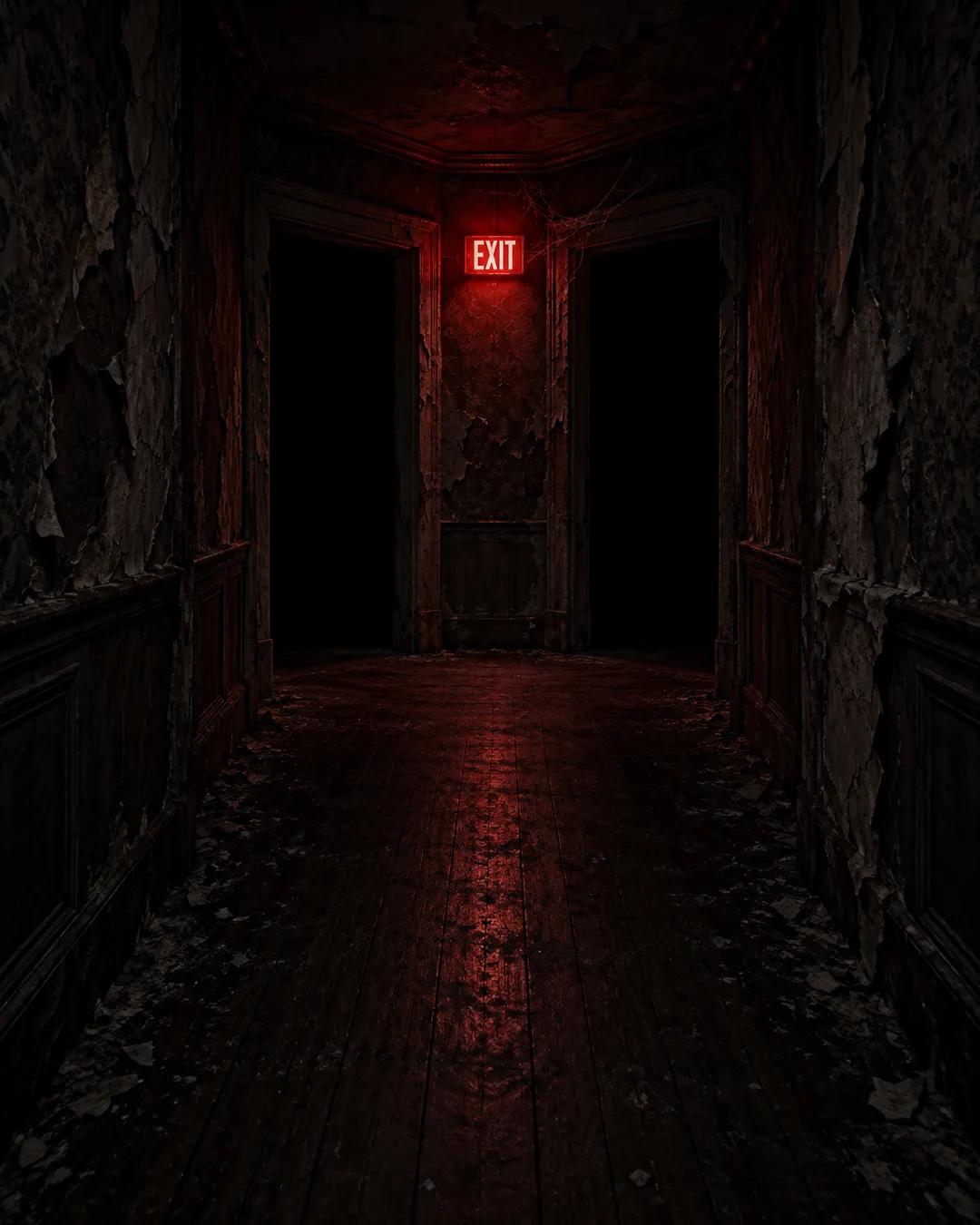
The cheapest scare is darkness

A Very Short Season
That matters because a haunt has very little time to earn its money. Around 1,200 ticketed haunts operate across the country, and the run-up to Halloween is when each one has to make its entire annual revenue, in just a few weeks.
Where the Money Goes
The costs stack up fast. A haunt has to reinvent itself every year, since the whole point is that nobody knows when the creepy clown with the axe will jump out. Props, actors, fake blood, and makeup all add up, and one haunted house in Manhattan spends more than $1,000 a year on the swamp juice that goes into its fog machines. Fire code adds another job: clearly marked emergency exits have to sit inside a dark, crumbling mansion that is meant to feel lost. In some places, all of that now puts a ticket at $50 or more.
Keep It Simple
The way to save money is to keep things simple. A person with no idea which way to turn is already scared, and that takes no props at all.
Why is not knowing what's next scarier?
In the dark, the eyes have little to work with, so the brain cannot tell where a threat might be or where to go. University College London researchers published a 2016 study in Nature Communications in which volunteers played a game where they could receive a mild shock. Stress peaked when the chance of a shock was an even 50 percent, higher than when a shock was more likely. The researchers measured stress through pupil dilation and sweating.
Why do people pay to be scared?
Researchers at Aarhus University's Recreational Fear Lab studied visitors to a Danish haunted house, and the work appeared in Psychological Science in 2020. Enjoyment rose with fear up to a point and then fell. Visitors who were moderately scared had the best time, while those who were barely scared or overwhelmed enjoyed it less. The pattern formed an upside-down U when enjoyment was plotted against fear.
Why do fire codes treat haunts so strictly?
Crowds moving through dark, winding spaces cannot easily see exits, and props, curtains, and foam are often flammable. Fire codes therefore call for lit exit signs, clear paths out, and in many cases alarms or sprinklers. The National Fire Protection Association publishes the Life Safety Code, which local authorities adopt for places where crowds gather. Haunted attractions are generally inspected under those rules for places of public assembly.
More from The Headlines