Korva is a scroll of the internet’s best ideas.
The curse on Majapahit's ruins
Raffles takes Java
Britain had taken Java from the French-controlled Dutch in 1811, and at the age of just 30, Raffles found himself lieutenant governor of an island of more than 6 million people. Born at sea off Jamaica, he had been a clerk in the East India Company at 14 and had become fluent in Malay. In 1815 he set out across Java to survey its ruins for a book, having heard of a great empire called Majapahit.
The curse
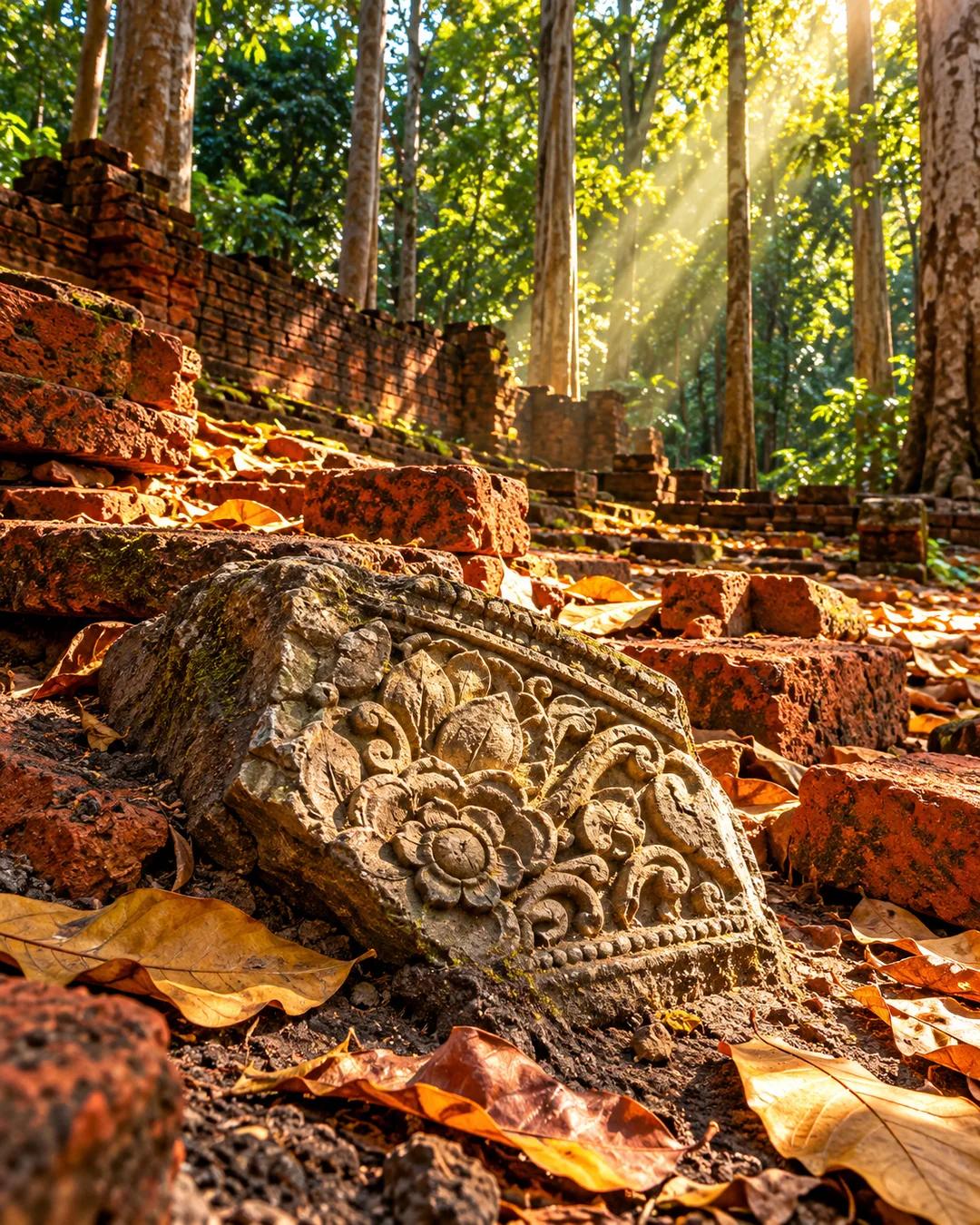
In East Java, locals advised him to stay away from the ruins in the valley of the Brantas River, where a curse lingered and misfortune followed anyone who visited. The men he persuaded to come along assured him he would lose his government within the year. At Trowulan he found only a scatter of broken brickwork and sculpture, buried in volcanic ash beneath towering teak trees.
What came after
The Napoleonic Wars ended, Britain returned Java to the independent Dutch, and Raffles was relieved of his post. Ten years later he had a stroke, likely caused by a birth defect in the blood vessels of his brain. It killed him the day before his 45th birthday.
Why was Britain fighting for Java in 1811?
Napoleon's France had annexed the Netherlands, and the Dutch colonies in the East Indies fell under French control. Britain, then at war with France, sent an expedition from India. The British force landed near Batavia in August 1811 and took the island within weeks. Java stayed under British administration until the settlement after the Napoleonic Wars returned it to the Dutch.
How did Raffles end up founding Singapore?
After Java, Raffles served the East India Company at Bencoolen on Sumatra's west coast. In January 1819 he landed on Singapore Island and sought a base for British trade in the Strait of Malacca. The company signed a treaty with the local Temenggong and recognized Hussein Shah as sultan in February 1819. The island was the same place where the settlement of Singapura had stood centuries earlier.
Why did Raffles write a history of Java?
Raffles published The History of Java in two volumes in London in 1817. It covers the island's geography, peoples, customs, language, and antiquities. He drew on surveys of ruins such as Borobudur and Prambanan, and the book carried engraved plates of the sites. The work became the main English-language account of Java for decades.
More from Fall of Civilizations