Korva is a scroll of the internet’s best ideas.
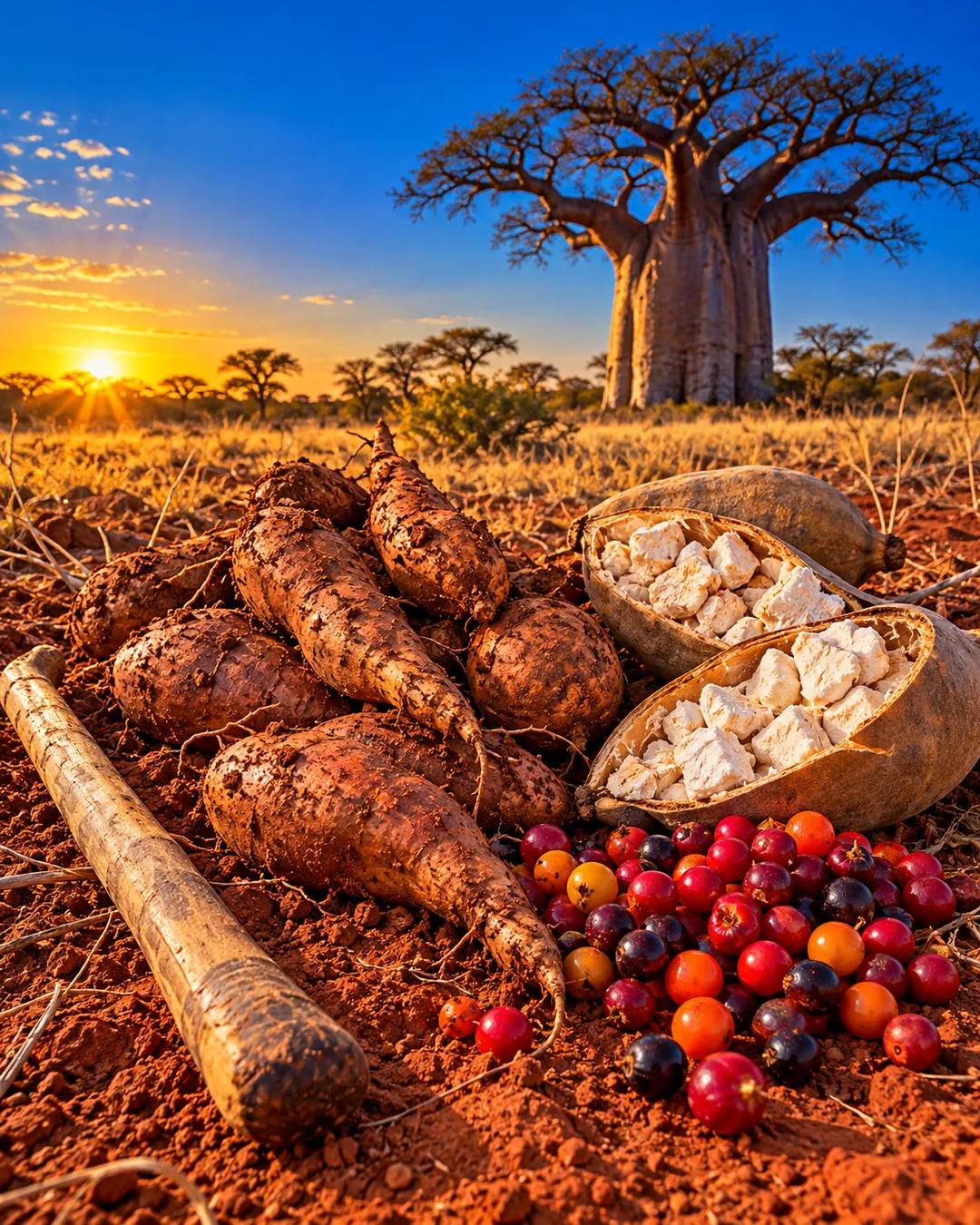
The Hadza have twice our species

The Hadza
The Hadza don't take antibiotics, don't eat sterile foods, and eat a very wide range of diverse plants. Most of the microbes in the system are trying to help, and more of them is better.
The Blastocystis surprise
One parasite shows how old assumptions fail. Blastocystis, found in the guts of many people in the UK, is associated with good health: being thinner, having less internal fat, and lower blood pressure. People used to try to kill it off.
A depleted population
Fifty thousand people in the US and UK have now had their gut microbes looked at. The picture that comes out is of a population that has killed off many of its good bugs, and bad kebabs aside, the microbes aren't there just to hurt.
Why do Hadza microbes change with the seasons?
In a 2017 paper in Science, Samuel Smits, Justin Sonnenburg, and colleagues sampled stool from Hadza hunter-gatherers in Tanzania over a full year. Some bacterial groups vanished from their guts in the wet season, when the diet shifts, and returned in the dry season. Many of those seasonal groups are absent from the guts of people in industrialized countries.
What does Blastocystis do in the gut?
Blastocystis is a single-celled organism, not a bacterium, and it turns up in the guts of many healthy people worldwide. A 2019 paper in Gut by Raul Tito and colleagues found it more common in people with more diverse gut communities and healthier profiles. It was once treated as a pathogen to eliminate.
How do antibiotics reduce gut species?
In a 2011 paper in PNAS, Les Dethlefsen and David Relman at Stanford gave healthy volunteers a five-day course of the antibiotic ciprofloxacin. Gut diversity fell sharply. Most groups returned within about four weeks, but some had still not recovered six months later.
More from The Diary Of A CEO with Steven Bartlett