Korva is a scroll of the internet’s best ideas.
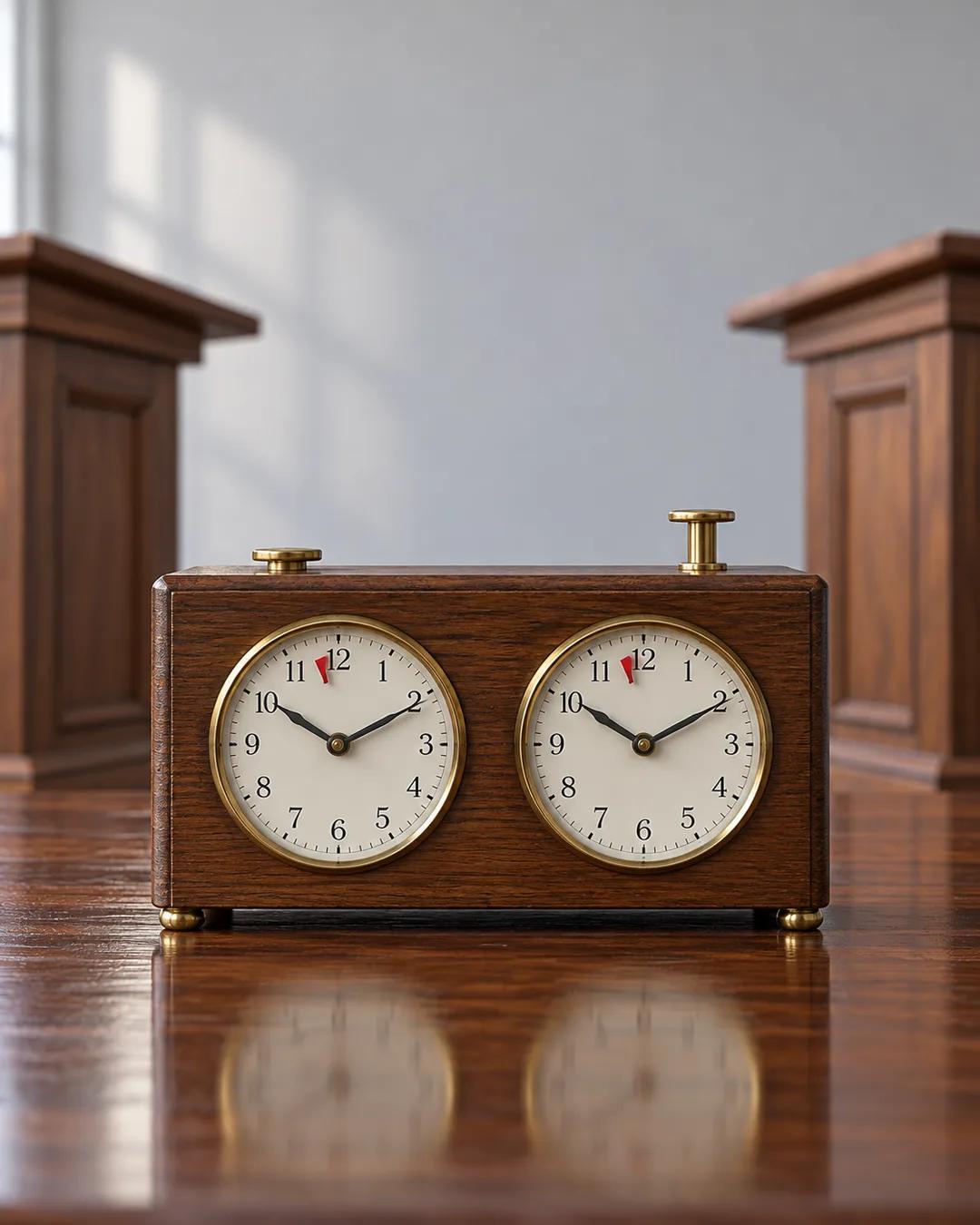
The House schedules every speech

The Rules Committee
Any bill that is going to be debated on the full House floor goes through the Rules Committee first. Generally, the Speaker of the House controls all of it.
Dividing the time
That is why House members hand time around: the rule for a bill provides, for example, one hour of debate, equally divided and controlled by the chair and the ranking minority member of the committee. A member finishing a turn yields the remainder of their time to the congresswoman from Delaware.
The Senate difference
The Senate has no Rules Committee, and a senator can talk as long as they like.
How does the Rules Committee control the floor?
The committee issues a rule, a resolution that sets the terms for debating a bill, including time, allowed amendments, and which points of order are waived. The full House must adopt the rule by majority vote before the bill itself comes up. A rule that permits no amendments is called a closed rule, and one that permits any germane amendment is called an open rule. Votes on rules usually follow party lines.
Why did the Rules Committee once defy speakers?
Howard Smith, a Virginia Democrat, chaired the Rules Committee from 1955 to 1967 and used it to hold up civil rights legislation. In 1961, Speaker Sam Rayburn won a vote to enlarge the committee from 12 members to 15, adding allies to dilute Smith's control. Since the mid-1970s, the Speaker has chosen the majority-party members of the committee.
Why do House members yield their time?
Debate time in the House is divided between two floor managers, who control the clock and hand time to colleagues. A member speaks only while holding yielded time, so a member who finishes can yield the rest to another or yield back to the manager. Members commonly say they reserve the balance of their time to keep some in hand. Members address remarks to the presiding officer rather than to one another.
More from Civics 101