Korva is a scroll of the internet’s best ideas.

The one time Mac named death
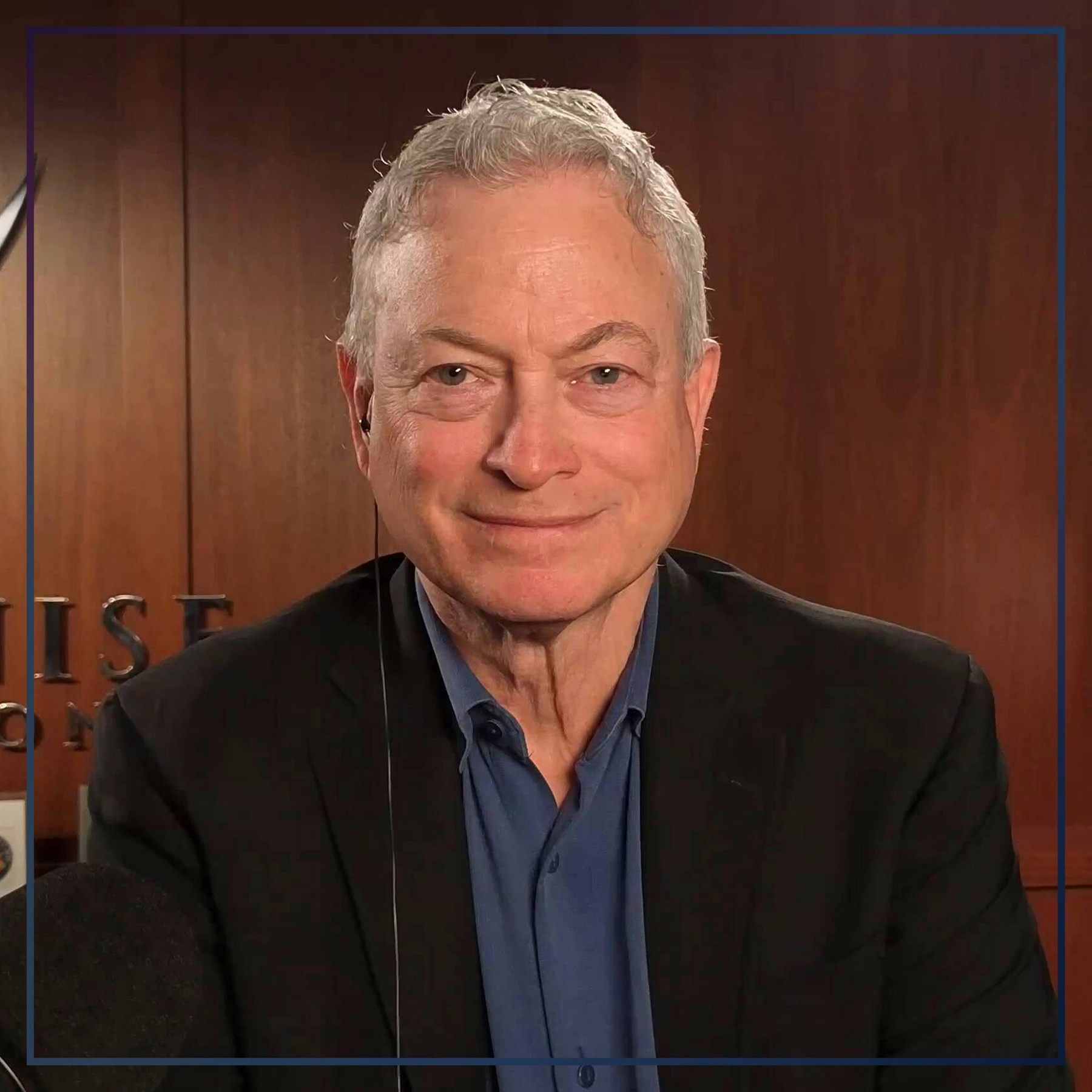
The one conversation
It was the only time Mac ever brought it up. His father was in the fight beside him and was not going there, and he could see that after five spine surgeries, radiation, and cancer drugs, Mac had started to feel like he was in a battle he might not win. His father told him no more of that kind of thinking, because they were going to beat it. They never talked about it again.
The last night
On the last night, Mac didn't want to take his medication or eat anything, and he was no longer able to talk. He died the next day. His father had stayed hopeful until the night before.
Looking back
Part of his father wishes for a deeper conversation in those last days: whether Mac was scared, whether he knew what was happening, whether he had come to terms. Another part is at peace, because Mac was accepting of where things stood, and the last year of his life was remarkable for what he accomplished.
Why did the five stages of grief spread so widely?
Swiss-American psychiatrist Elisabeth Kübler-Ross described denial, anger, bargaining, depression, and acceptance in her 1969 book On Death and Dying. She drew on interviews with dying patients at a Chicago teaching hospital. The book gave the public a vocabulary for something rarely discussed, which helped it travel far beyond medicine. She wrote in later years that the stages were never meant as a fixed sequence everyone follows.
Why do people stop eating near the end of life?
In the final days, metabolism slows and the body needs far less food and fluid than before. Digestion becomes harder, and appetite fades along with it. Palliative care teams describe this as part of the body's shutdown, not a cause of it. The National Cancer Institute's end-of-life guidance lists reduced appetite and growing sleepiness among the most common changes in the last days.
More from All There Is with Anderson Cooper