Korva is a scroll of the internet’s best ideas.

Smarter favorite foods
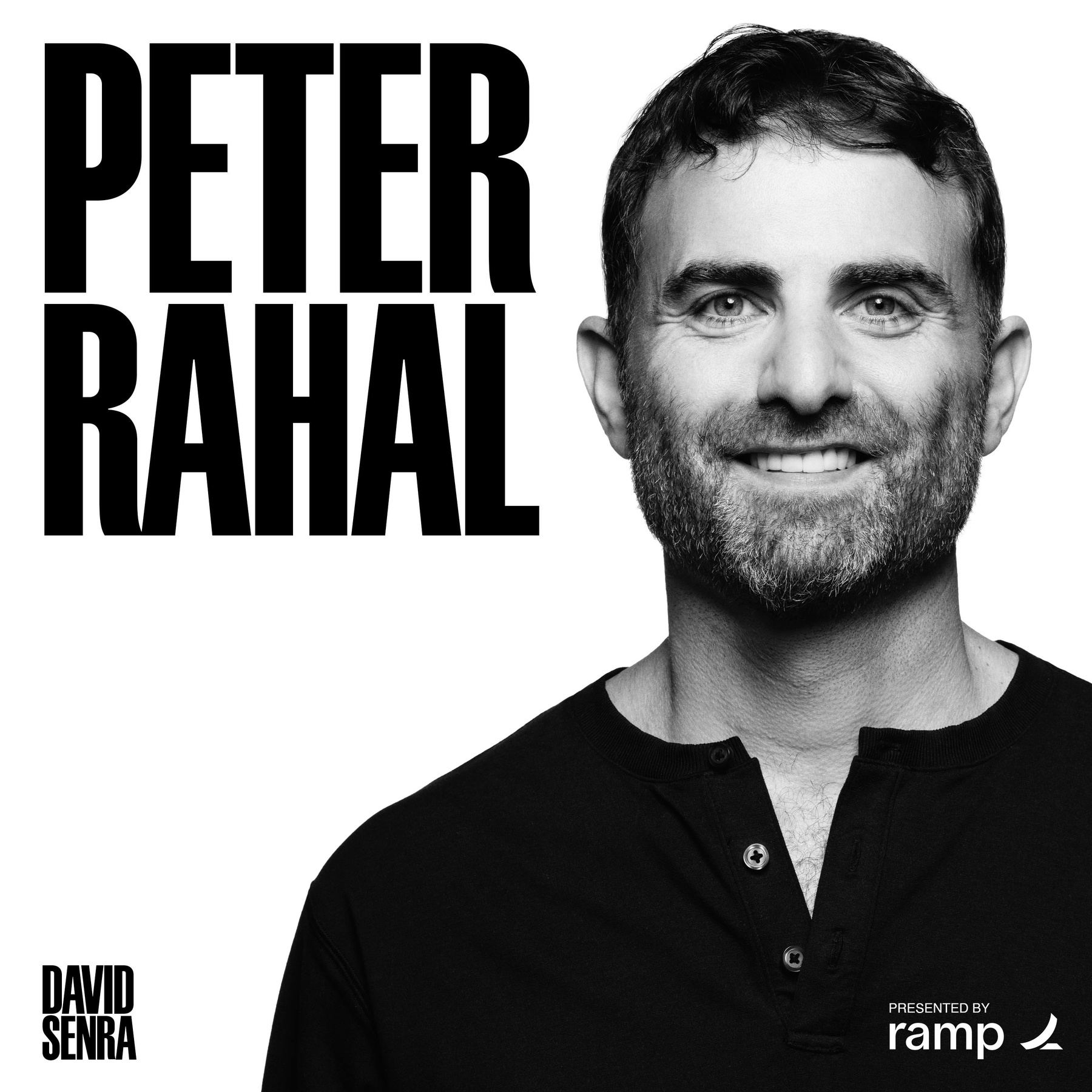
Much of the food business tells people what not to eat, which Peter Rahal considers demonization and pseudoscience. David Protein makes favorite foods smarter instead, quietly: the same foods, but more intelligent, more effective, and objectively better.
Why bars win
People buy protein bars for body composition, to build muscle or lose fat, and almost never as a treat. That put the brand in the territory of the nineties weight-loss names Atkins, Weight Watchers, and Jenny Craig, which people used for the same goal, only made more refined, more European, and better tasting. At 35, Rahal noticed that everyone he knew had struggled with weight or wanted more muscle.
The target
The target is Nestle, with more than $100 billion in revenue and hundreds of brands, mostly added through acquisition. For the next four or five years David Protein plans to create brands rather than buy them.
How did Weight Watchers begin?
Jean Nidetch founded Weight Watchers in 1963 after inviting friends to her apartment in Queens, New York, to talk about losing weight. The group meeting format grew into a company within a few years. Robert Atkins published his diet book in 1972, and it became a bestseller. Jenny Craig started in Australia in 1983.
How did Nestle end up with hundreds of brands?
Henri Nestlé started the company in 1866 in Switzerland with an infant cereal. It grew largely through mergers and purchases, including Maggi in 1947 and Rowntree in 1988, which brought KitKat. Nescafe, one of its biggest brands, was launched in 1938.
Why do companies start with one narrow product?
In Crossing the Chasm, published in 1991, Geoffrey Moore argued that a company should win one narrow market completely, then use that base to move into neighboring ones, like knocking down bowling pins. A narrow start concentrates sales and reputation in one place. Amazon began with books in 1995 before widening to other categories.
More from David Senra