Korva is a scroll of the internet’s best ideas.
The PT Cruiser counted as a truck

The fuel economy rules
During the 1970s oil crisis, Congress enacted the Corporate Average Fuel Economy standards, requiring carmakers to meet a minimum number of miles per gallon across their entire fleet. That minimum was set much lower for trucks. In 2024, the target was 49 mpg for cars and just 35 for trucks.
Designing more efficient technology costs more, so trucks became relatively cheaper to produce. The flexible legal definition of light truck also gave car companies a strong incentive to build bigger, heavier vehicles of all kinds, since most SUVs, vans, and minivans qualify. A law designed to make cars more fuel-efficient made them much less so.
The PT Cruiser case
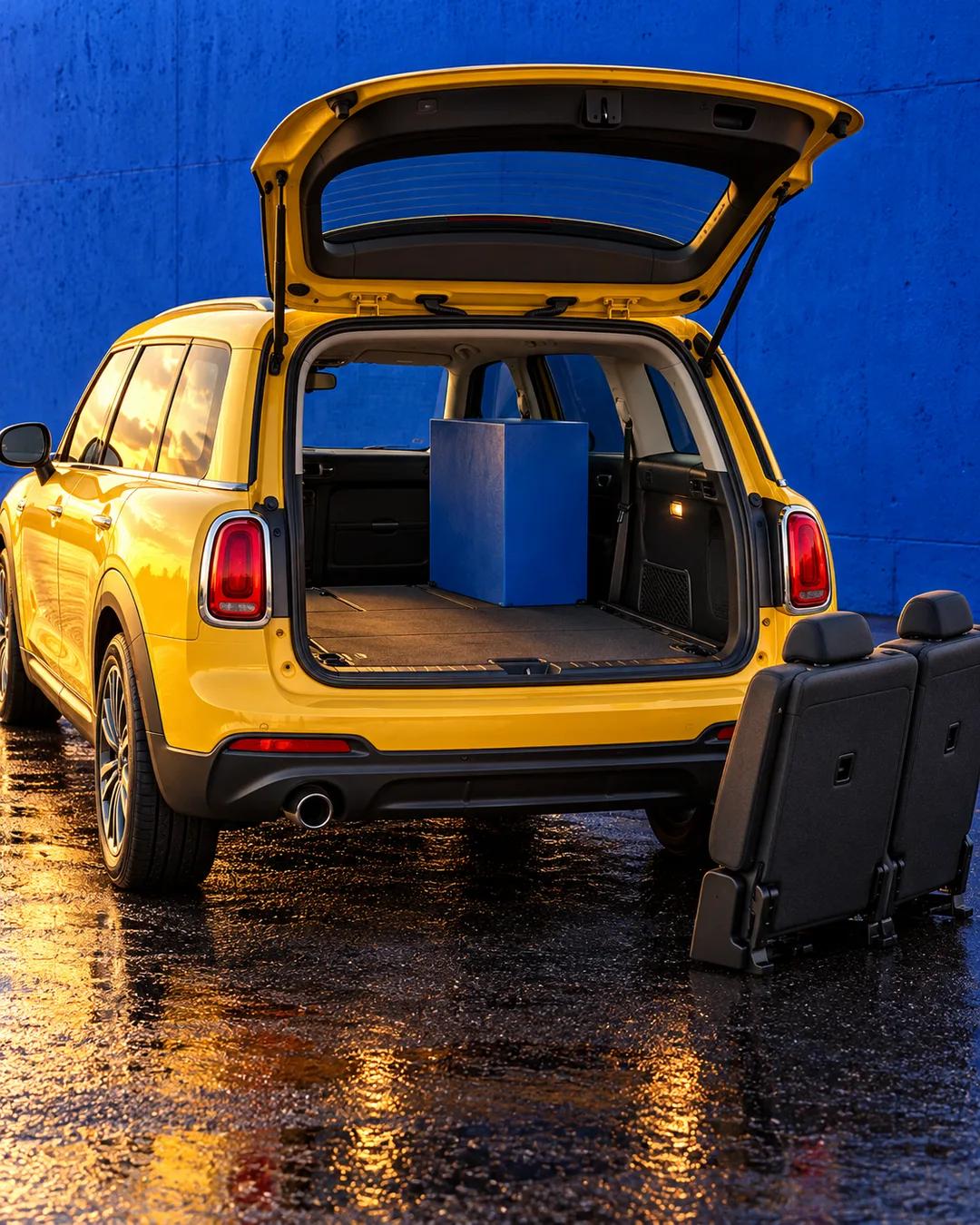
The PT Cruiser, officially the Personal Transport Cruiser, is one of the odder results. Its rear seats were technically removable and its cargo floor was flat, so the back could transform into something like a cargo van. That let Chrysler classify it as a light truck.
Why do SUVs count as light trucks?
When the fuel rules took shape in the 1970s, regulators gave trucks their own lower standard because trucks were work vehicles. The light truck category was defined by features such as four-wheel drive, ground clearance, and cargo capacity, which many SUVs and vans could meet. Minivans qualified too. For many years, minivans, SUVs, and pickups all fell under the lower light truck target.
How does fleet averaging work?
Each automaker's average is calculated across everything it sells in a model year, weighted by sales volume. The average uses a harmonic mean, which treats fuel used per mile as the quantity being averaged. Cars and trucks are tallied in separate fleets, each with its own target. Since the early 2010s, the target for each model has depended on its footprint, the area between its wheels, so larger vehicles get lower targets.
Why did the 1970s oil crisis create fuel rules?
In 1973, an Arab oil embargo sent American gasoline prices up and created long lines at pumps. Congress responded in 1975 with the Energy Policy and Conservation Act, which created the CAFE program. It required new passenger cars to average 27.5 miles per gallon by 1985. According to EPA data, new cars averaged about 13 miles per gallon in 1975.
More from PolyMatter