Korva is a scroll of the internet’s best ideas.
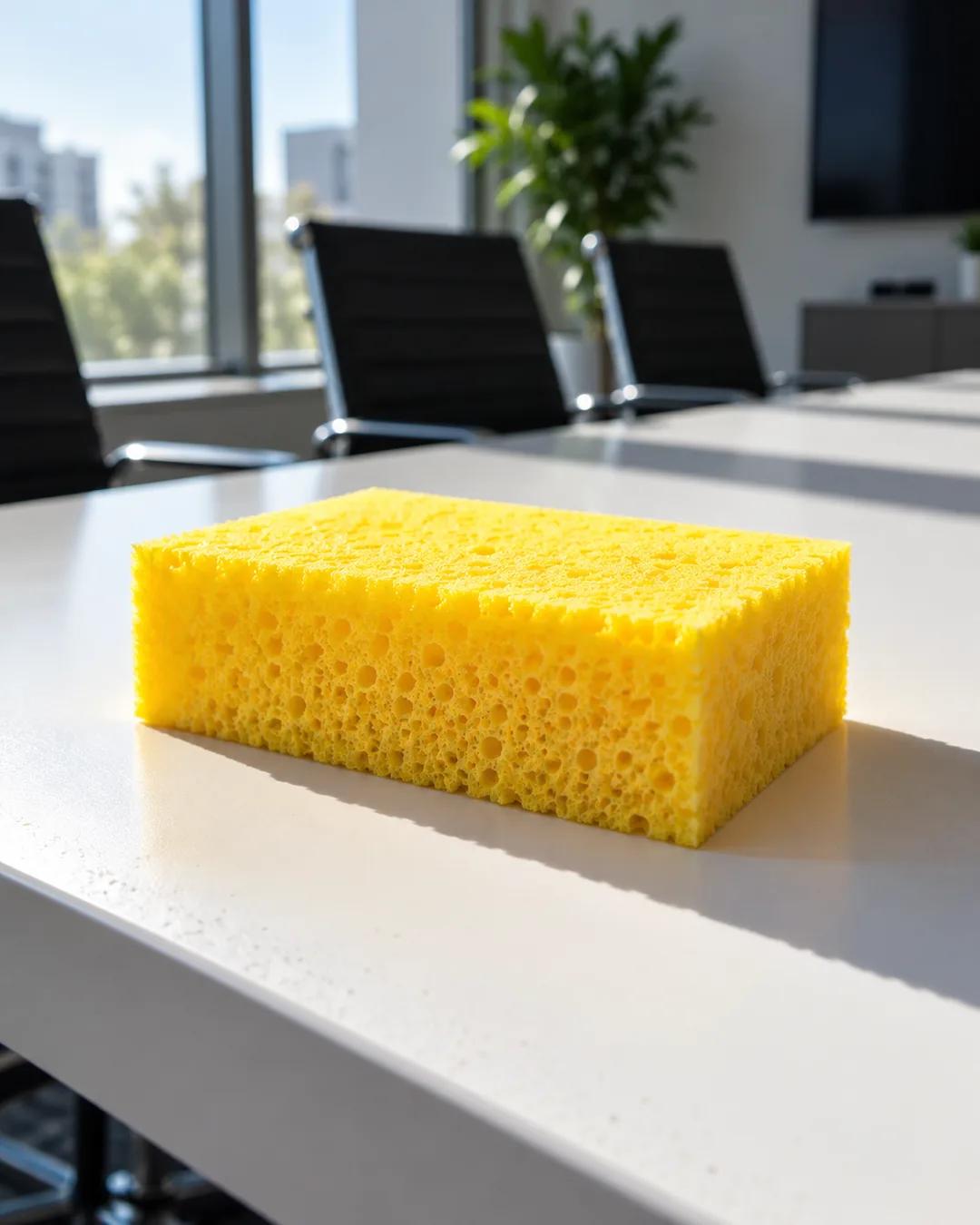

The sponge sat in the office for a year while people speculated wildly about its purpose. About two years after it arrived, one of the agency's partners got a phone call from a company called Sponge NB, which turned out to mean Sponge New Business. The company was following up on its own mailer, which somebody had forgotten to chase.
Years later the sponge is still a story the agency tells, while hardly anyone remembers an email from three years ago. A related finding from behavioral science is the effort heuristic: when a customer perceives that more effort went into something, such as a handwritten note compared with an email, they view it more favorably.
Why does a handwritten note feel more valuable?
The effort heuristic describes how people judge the quality and value of something by how much effort they believe went into it. Justin Kruger, Derrick Wirtz, Leaf Van Boven, and T. William Altermatt tested this in a 2004 paper in the Journal of Experimental Social Psychology. Participants rated the same poem, painting, or suit of armor more favorably when told it took longer to produce.
Why do odd objects stick in memory?
In 1933, the German psychiatrist Hedwig von Restorff found that an item standing out from the items around it is remembered better. The finding is now called the von Restorff effect, or the isolation effect. A yellow sponge with marker scrawled on it among ordinary office supplies is a distinct item of just that kind.
How do marketers track which mailers work?
Direct marketers give each mailer a way to trace responses back to it, such as a unique code, a dedicated phone number, or a web address made for that piece. Responses are then matched against the list of who was mailed. That makes it possible to calculate response rates for every piece that went out.