Korva is a scroll of the internet’s best ideas.
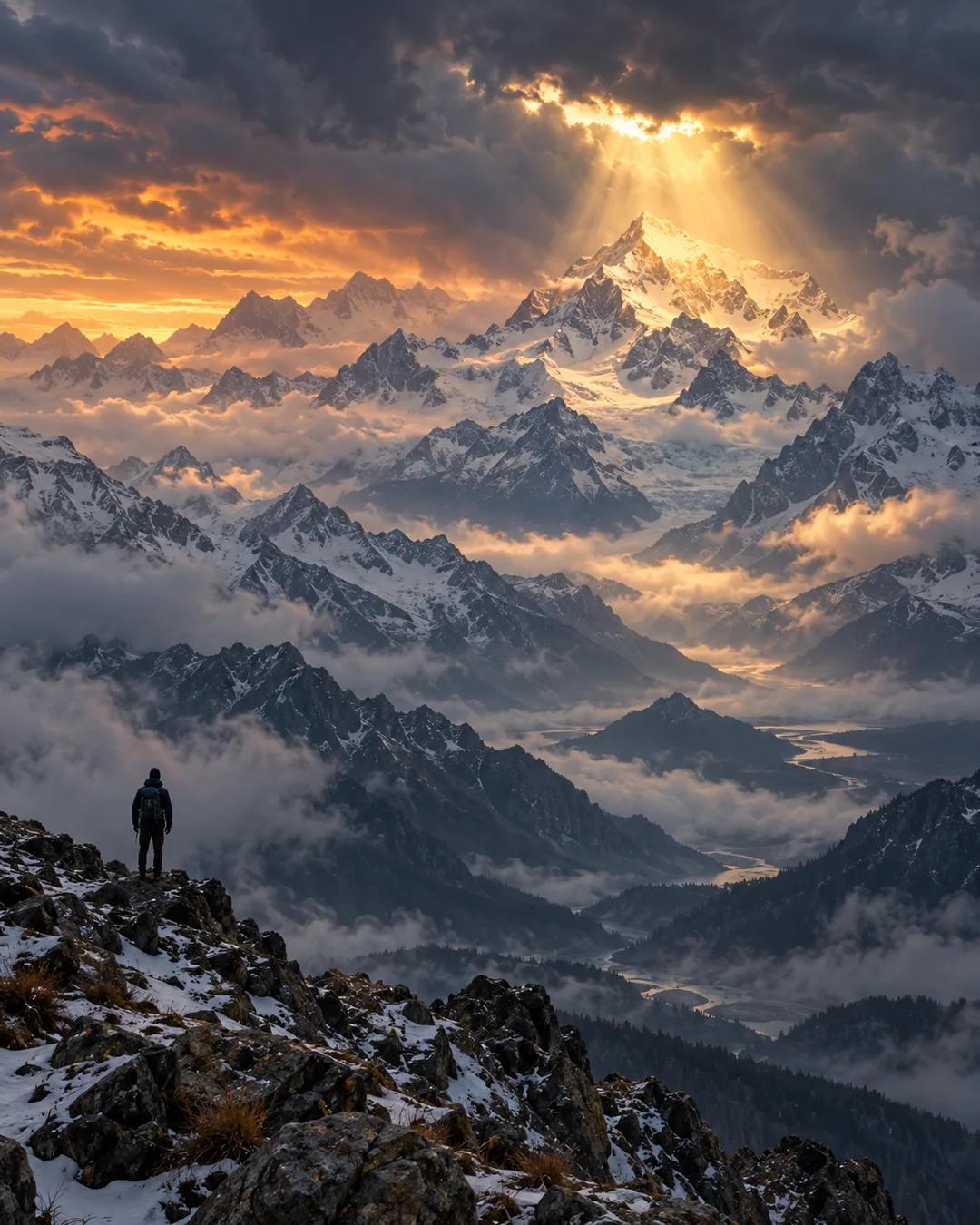
The sublime shrinks and lifts you
Origins Of The Sublime
It began as the response to nature's might and astronomical grandeur, when the power of a human seems minuscule next to a god or the universe. The first reaction is terror and diminution. Then the mind answers that it can imagine a force greater than itself, calls it God, and, though it cannot know God directly, proves big enough to hold the idea.
Science Fiction And Painting
Science fiction carries this in its names: Olaf Stapledon's Last and First Men and Star Maker, and magazines titled Amazing and Astounding. Painting carried it too, in huge landscape canvases with volcanoes erupting and big atmospheric effects, such as those of Frederic Church, the Cinerama screens of their day. Douglas Trumbull wanted his special effects to resemble them.
The Sublime In 2001
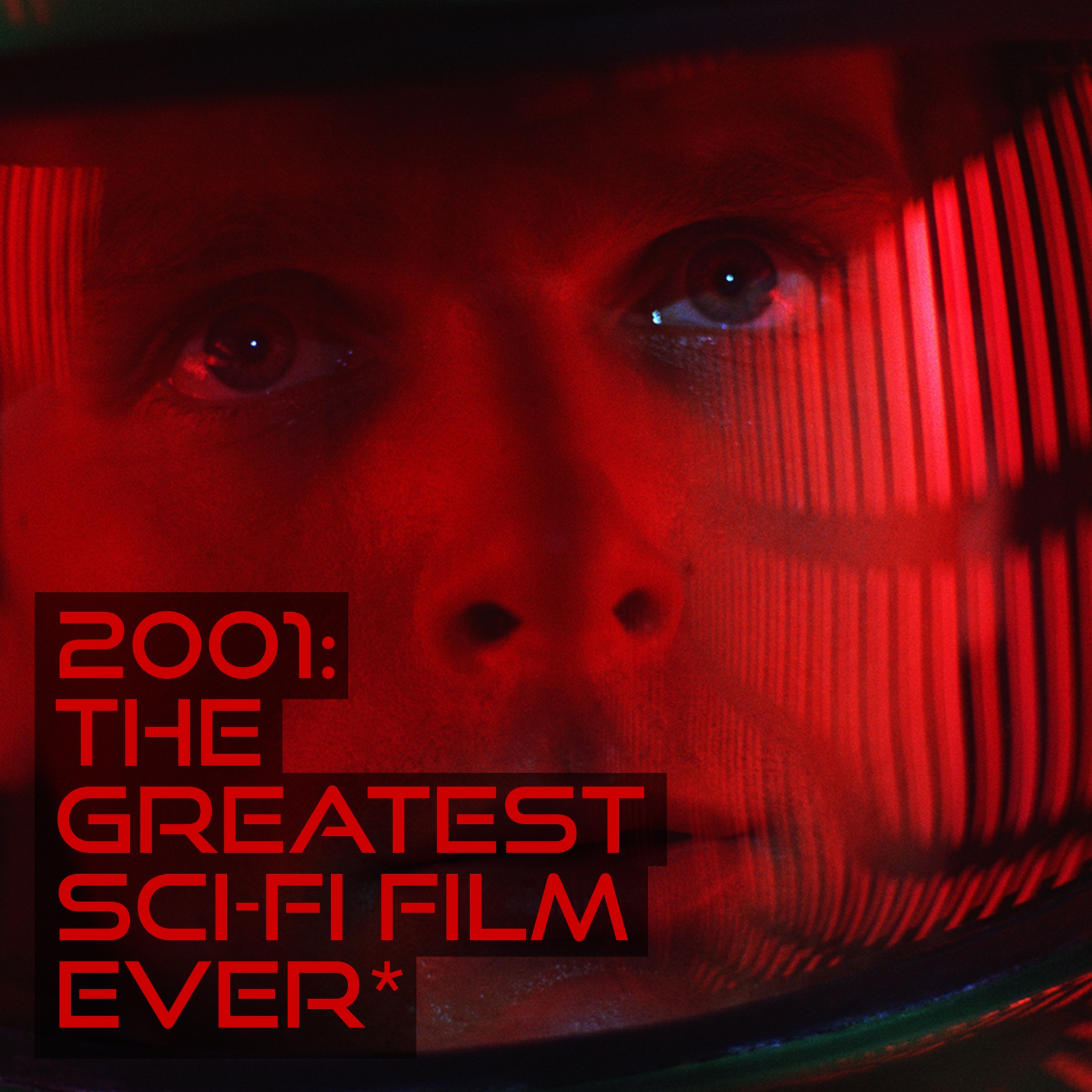
2001 has the landscape sublime, the astronomical sublime, the technological sublime that runs from the 19th century to the present, and a cosmic sublime that goes beyond the infinite. Because it is only a movie, viewers are in no danger and can enjoy Dave's growing helplessness before forces that get harder to imagine. The poet Rilke described beauty as the start of terror, which we admire because it calmly declines to destroy us.
Why did Burke link terror and the sublime?
Edmund Burke published A Philosophical Enquiry into the Origin of Our Ideas of the Sublime and Beautiful in 1757. He argued that the sublime comes from experiences of pain and danger, as long as the viewer is at a safe distance. Beauty, in his account, came from smoothness, smallness, and delicacy. Kant answered him in the Critique of Judgment in 1790, which divided the sublime into the mathematical and the dynamical.
How did Church's paintings draw crowds?
Frederic Church's Heart of the Andes, finished in 1859, was shown by itself in a New York studio as a paid exhibition. The canvas measures about five feet by ten feet, and the room was arranged so the painting sat inside a dark frame like a window. Visitors were known to bring opera glasses to examine its detail. It sold for $10,000 in 1859, a record price for a living American artist at the time.
Where did Rilke's line on beauty come from?
The line opens the first of Rilke's Duino Elegies. Rilke began the cycle in 1912 while staying at Duino Castle, near Trieste, and by his own later account he heard the first line as a voice in the wind. He finished the cycle in 1922 at the Chateau de Muzot in Switzerland. The Elegies were published in 1923.
More from Every Single Sci-Fi Film Ever*