Korva is a scroll of the internet’s best ideas.
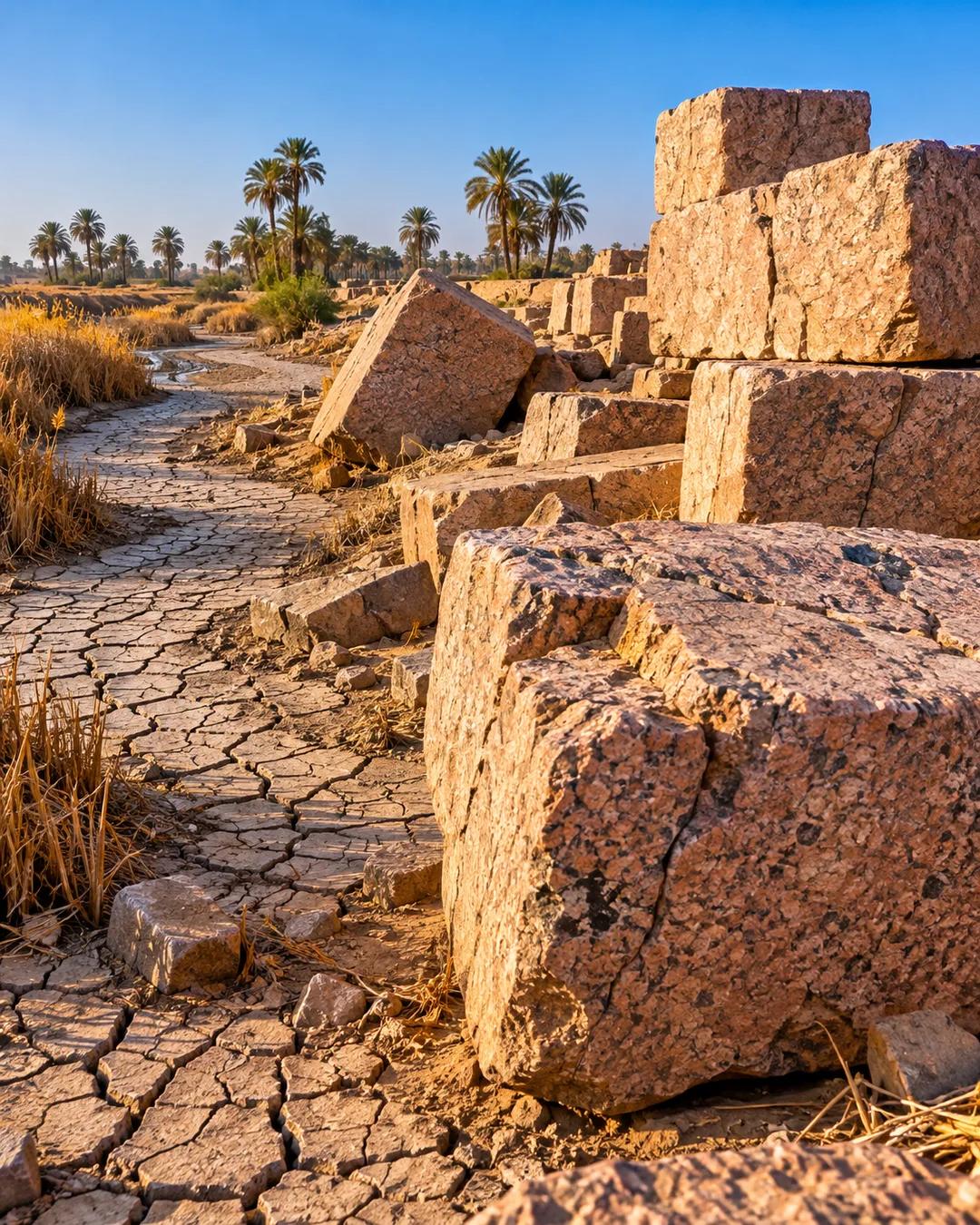
They moved the stone 30 kilometers
A Channel Runs Dry
Pi-Ramesses, the City of Ramesses, was built on a branch of the Nile running out toward the north and east and Egypt's territory in the Levant. In the later New Kingdom that channel began to dry up, and the city was no longer viable. Anyone who wanted a capital or a strategic center in the area had to move.
Moving the Stone
The nearest branch of the river lay about 30 kilometers to the north, and it is named the Tanitic branch for the city of Tanis. Rather than build a new temple there with newly quarried stone, the people moved the old stone.
Mistaken Identity
That is why Tanis, a capital from the 21st dynasty onward and the burial place of kings of the 21st and 22nd dynasties, was littered with stonework bearing Ramesses II's name. Archaeologists first took Tanis to be Pi-Ramesses under a new name. In the 1970s, a non-invasive survey near the village of Kantir showed a very substantial city beneath farmland, and that was the real Pi-Ramesses.
Why do branches of the Nile dry up?
The Nile delta is a flat plain built from silt, and the river's channels there shift over time as sediment fills one path and the water finds another. Greek writers such as Herodotus described seven branches of the Nile in the delta. Today two main channels, the Rosetta and Damietta branches, carry most of the river's flow to the sea.
Why reuse old stone instead of quarrying new?
Cutting stone and hauling it to a building site was among the costliest jobs in Egyptian construction, especially for granite, which came from quarries around Aswan, hundreds of kilometers upriver. Reusing blocks from older monuments saved that labor. Egyptian kings often did the same on their own, recarving a predecessor's blocks for new buildings. Reused stone of this kind turns up in monuments across Egypt from many periods.
Why build a capital facing the Levant?
Ramesses II fought the Hittite empire at Kadesh in Syria, traditionally dated to around 1274 BC. The two powers later signed a treaty, one of the earliest peace treaties whose text survives, with versions in both Egyptian and Akkadian. A capital in the northeastern delta put the king close to the roads running toward Canaan and Syria. Excavations at Qantir have uncovered large stables and workshops of the kind an army on that frontier would need.
More from The Ancients