Korva is a scroll of the internet’s best ideas.

Three years to chase your dream
Gym culture has a name for lifting without a plan: fuckarounditis. It describes people who lift day in and day out but follow no proper program. They use the same weight and the same reps, and they try a different exercise every day. After three years, they are still newbies.
A dream pursued the same way follows the same pattern. Stagnation past three years means the original predictions were wrong. Another sign shows up in the doing: someone who keeps doing everything except the dream probably belongs somewhere else, because what a person does is who they are, whatever they think or feel.
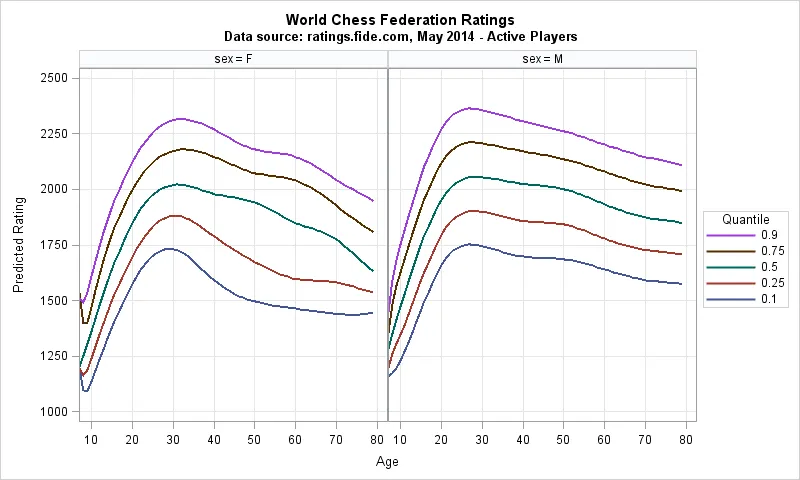
The window runs three years, or until age 27 to 33, whichever comes first.
Why do lifters stall without a plan?
Early strength gains in beginners come largely from the nervous system getting better at recruiting muscle, which is why almost any effort works at first. After that, further gains need a stimulus that grows over time, a principle sports scientists call progressive overload. Repeating the same weight and reps gives the body nothing new to adapt to. The American College of Sports Medicine's 2009 position stand on resistance training lists progression as a core element of effective programs.
Why does repeating something for years not improve it?
K. Anders Ericsson and colleagues argued in 1993 that skill grows through deliberate practice, which targets weaknesses and uses feedback, and not through repetition alone. Once a skill becomes automatic, performance tends to stall. In their study of violinists at a Berlin music academy, the top group had averaged about 10,000 hours of solitary practice by age 20, compared with about 4,000 hours for those training to be music teachers.
More from Hyde