Korva is a scroll of the internet’s best ideas.
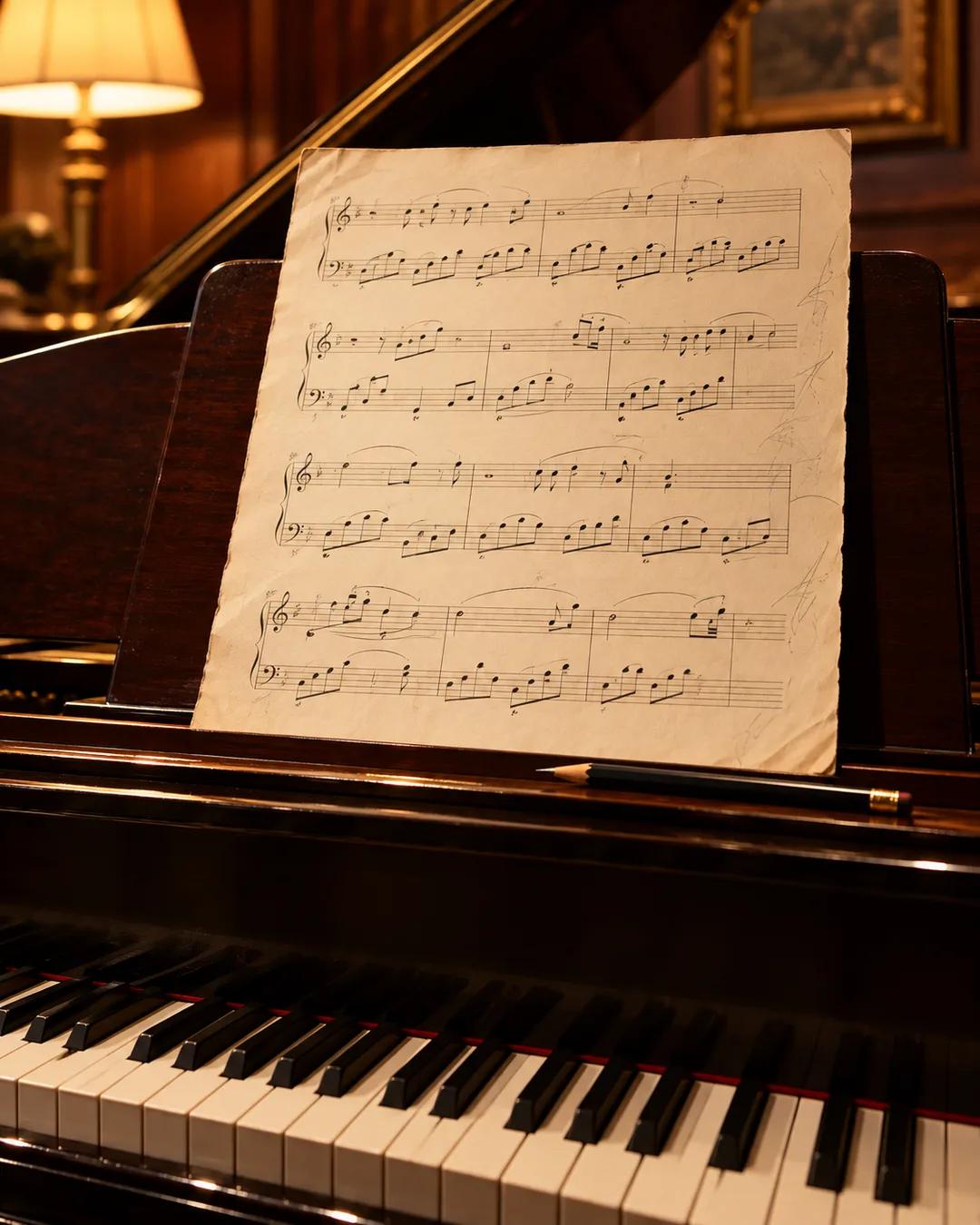
Tommy Flanagan could barely keep up
A hard test piece
Giant Steps was John Coltrane's famous test piece. He had practiced it thoroughly, but not with his band.
Miles's advice
Miles Davis then told Coltrane that when so many chords get squeezed in, the rhythm section shouldn't have to track his every move, so their parts should stay simpler. It was good advice. Coltrane had already been thinking about Indian classical music, with its fast, scale-oriented improvisations over slowly undulating backdrops.
A new quartet
In the early 1960s he formed a new quartet around McCoy Tyner's billowing piano and Elvin Jones's wide, shambling drum beat. He took up the small, straight soprano saxophone, whose higher range and piercing tone helped him rise above the fray, and he underwent a spiritual awakening.
Why are the chords of Giant Steps so hard?
The tune moves among three key centers, B, G, and E-flat, which sit a major third apart and are far from one another in the usual harmonic map. The chords change nearly every beat, and the tempo is fast, so a soloist has almost no time to think. Musicians now call this pattern Coltrane changes. Coltrane's recording of it appeared on the 1960 album of the same name.
How did Indian classical music influence Coltrane?
Indian classical music builds long improvisations on a scale or raga over a steady drone, which let the soloist explore one sound for a long time instead of racing through changing chords. Coltrane met sitar player Ravi Shankar in 1961 and became deeply interested in his music. He later named his son Ravi, born in 1965, after Shankar.
Why did Coltrane switch to soprano saxophone?
The soprano is a small, straight instrument pitched higher than the tenor, with a bright, piercing tone that cuts through a loud rhythm section. Coltrane acquired one in 1960 after being inspired by soprano saxophonist Steve Lacy. His recording of My Favorite Things, made in 1960, featured the soprano and became one of his best-known records.
More from Fresh Air