Korva is a scroll of the internet’s best ideas.
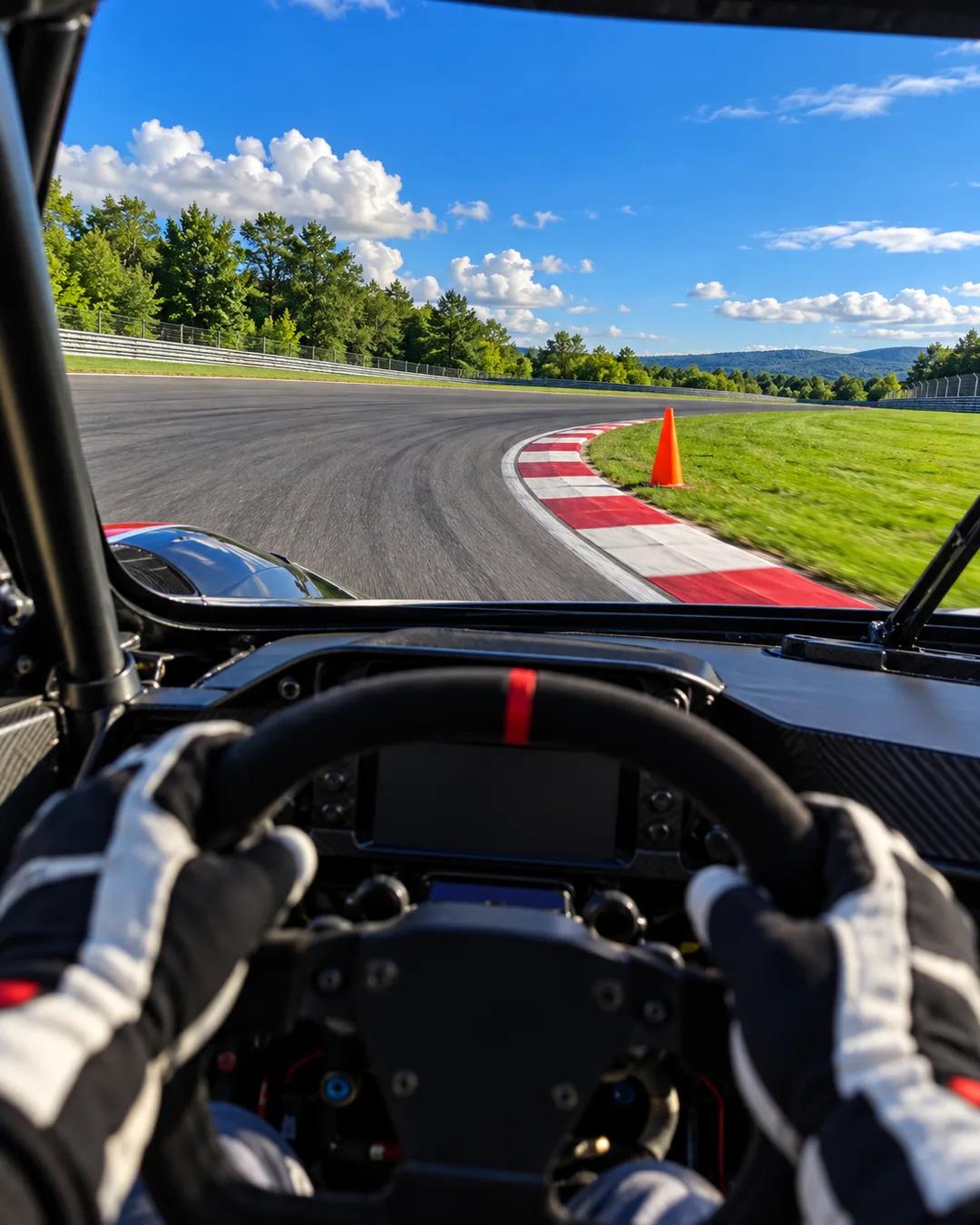
Touch the tool before judging it

Early skepticism
DHH's early skepticism about AI came from what existed at the time: autocomplete that jumped in while a programmer was typing, like a pestilent coworker asking to drive. It felt like the open office on steroids, and it shaped a view about how soon AI would change the way code gets written.
Tobi Lütke's memo
Tobi Lütke, the CEO of Shopify, saw much further ahead. Around 2023 or early 2024, well before agents did work on their own, he wrote a memo to the company calling it the big switch. Running a company of 7,000 people, he kept pointing at new things, and that constant nudging got DHH to install tools like Pi and try them. Reading about it would have given him some pointers, but behind the wheel it sank in.
Where you look
Racing offers the same lesson. The difference between a great racer and a mediocre one is very often where they look, and a driver who looks at the turn-in instead of the apex misses the apex. You go where you look.
How did code autocomplete become coding agents?
Autocomplete in code editors goes back to Microsoft's IntelliSense, which appeared in the 1990s and suggested names as a programmer typed. In June 2021, GitHub released a technical preview of Copilot, built on OpenAI's Codex model, which could suggest whole lines and functions. Later tools let a model run commands, read files, and edit several files without a person typing each change. Programs that work this way are called agents.
Why do racers look at the apex?
The apex is the point on a corner where the car comes closest to the inside edge. Racing instructors teach drivers to look through the corner to the exit, because hands tend to follow the eyes. Staring at a nearby hazard or the wrong point pulls the car toward it. This tendency is called target fixation, and it has been documented in pilots and motorcyclists.
Why does hands-on use change opinions?
Educator David Kolb described a cycle of learning in his 1984 book Experiential Learning, in which concrete experience comes first and reflection follows. Skills such as riding a bicycle or driving a car depend on practice that no reading replaces. Reading about a tool transfers facts, while use builds judgment about when the tool helps. Pilots log hours in flight simulators for the same reason.
More from David Senra