Korva is a scroll of the internet’s best ideas.
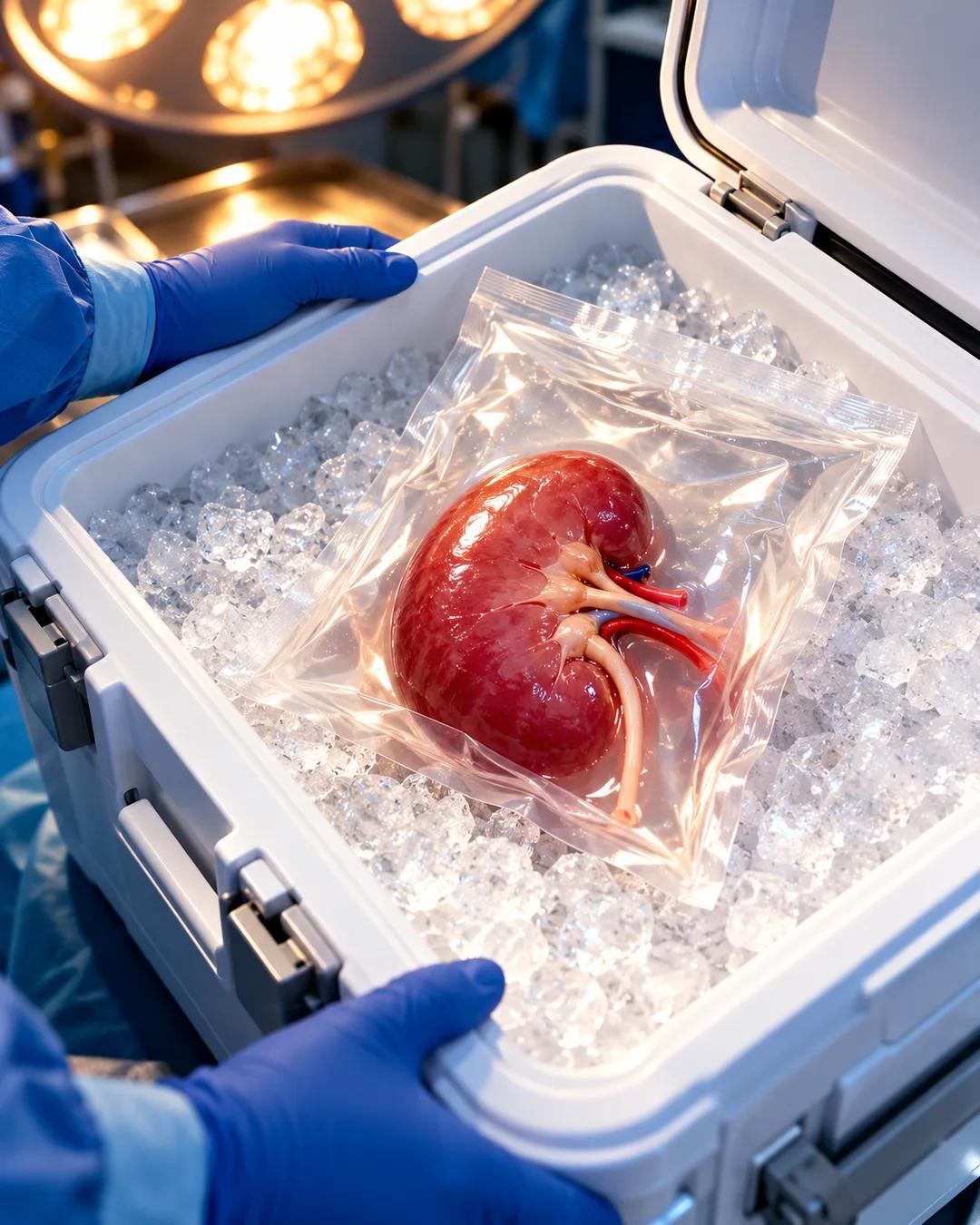
Transplants need immune permission

Two questions
Moving tissue to a new spot comes down to two questions. Can it survive there, with the growth factors, blood flow, lymphatic drainage, and maybe nerve activity that make it work? And does the immune system accept it? The kidney capsule, a kind of skin around the kidney, answers the first: pancreatic cells tucked in there are super happy.
Type 1 diabetes
Type 1 diabetes is autoimmunity. The immune system gets too active against the pancreas, treats it as foreign, and wipes it out. New pancreatic cells placed anywhere in that person's body draw the same attack.
Engineering raises the bar
Engineering makes it harder. Bringing in new genes with a virus or a small piece of DNA called a plasmid gives the cells a new bit of identity, so a transplant looks like an infected cell with many new things expressed, some of them literally viral. The immune system does not necessarily want a better version, and tolerance has to be overcome at the same time.
How do islet transplants work for diabetes?
In 2000, James Shapiro and colleagues in Edmonton reported in the New England Journal of Medicine that seven people with type 1 diabetes became free of insulin injections after receiving donor islets. Islets are the clusters in the pancreas that contain the insulin-making cells. The donor islets were infused into a vein leading to the liver, where they lodged and began working. Recipients need drugs that suppress the immune system to keep the new cells from being attacked.
Why does the immune system reject donated tissue?
Each person carries a distinct set of HLA molecules on the surface of their cells, and T cells read these as a kind of identity card. Donor cells with different HLA molecules look foreign, and recipient T cells attack them. In 1954, Joseph Murray performed the first successful kidney transplant between identical twins, whose HLA molecules matched. Modern transplants rely on matching HLA types and on drugs that suppress T cells.
How could transplanted cells be hidden from attack?
Researchers have tried wrapping islets in porous capsules that let insulin and nutrients pass but keep immune cells out. Others have used gene editing to remove the HLA molecules from donor cells so that T cells cannot recognize them. Capsules have struggled because the body builds scar tissue around implants, which cuts off oxygen to the cells inside. That scarring is a reaction known as the foreign body response.
More from Andrew Huberman