Korva is a scroll of the internet’s best ideas.
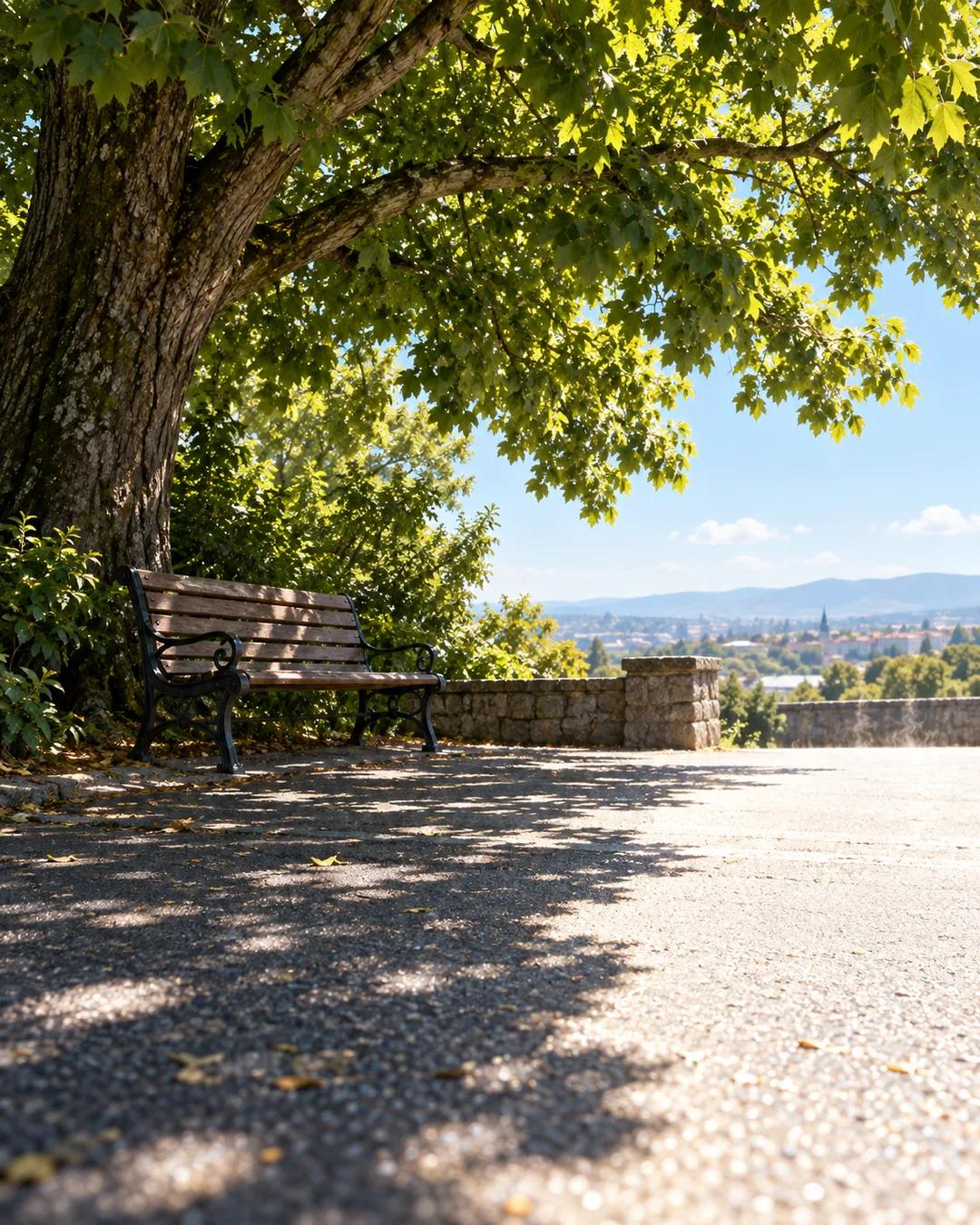

Shade from layered leaves
Satellite imagery shows that six layers of leaf is about the most a canopy has on average, so the ground below gets very little of the light.
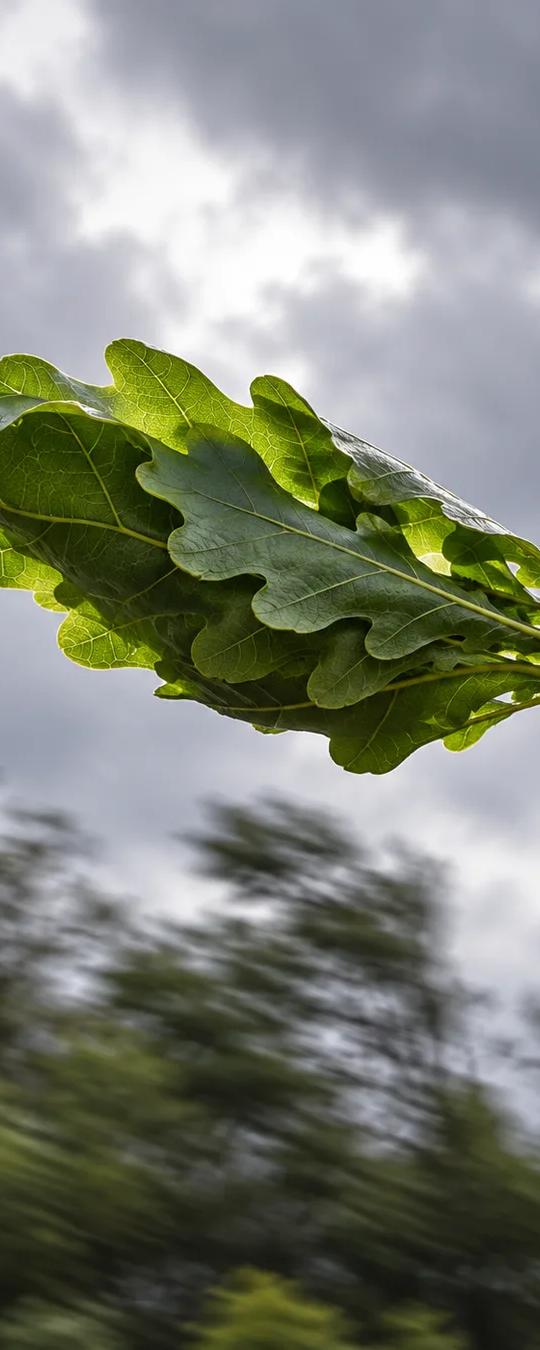
Leaves are also adapted to cope with the light they catch by sending it back out. Some overexposed leaves fluoresce, taking light in at one wavelength and giving it off at another.
Cooling by evaporation
Then there is evaporation. All that water passing through the canopy and up into the sky is evaporating, and the evaporation cools the air.
Figures put the drop in temperature at roughly 12 to 18 degrees Celsius, a difference most people have felt walking from open sun into shade.
Why does evaporating water cool the air?
Turning liquid water into vapor takes energy, about 2,260 kilojoules for each kilogram. That energy comes from the surrounding air and the leaf, so they cool as the water leaves. The energy is not lost: it is carried off in the vapor as latent heat and released when the vapor condenses into clouds. Sweating cools skin by the same physics.
How do overexposed leaves fluoresce?
When chlorophyll absorbs more light than it can pass on to photosynthesis, a small share of the energy is re-emitted as dim red and far-red light. That glow is chlorophyll fluorescence, and it is far too faint to see in daylight. Satellites can measure it from orbit, and scientists use it to track how actively forests and crops are photosynthesizing. Fluorescence rises and falls with the amount of light the leaf is handling.
Why are leafy streets cooler than paved ones?
Pavement and dark roofs absorb sunlight, store the heat, and do not evaporate water, while trees shade surfaces and cool the air through transpiration. This difference creates the urban heat island effect. The US Environmental Protection Agency says the annual mean air temperature of a city of 1 million people or more can be 1 to 3 degrees Celsius warmer than its surroundings. The gap is largest on calm nights, when pavement releases the heat it stored by day.
More from The joe gardener Show - Organic Gardening - Vegetable Gardening - Expert Garden Advice From Joe Lamp'l