Korva is a scroll of the internet’s best ideas.
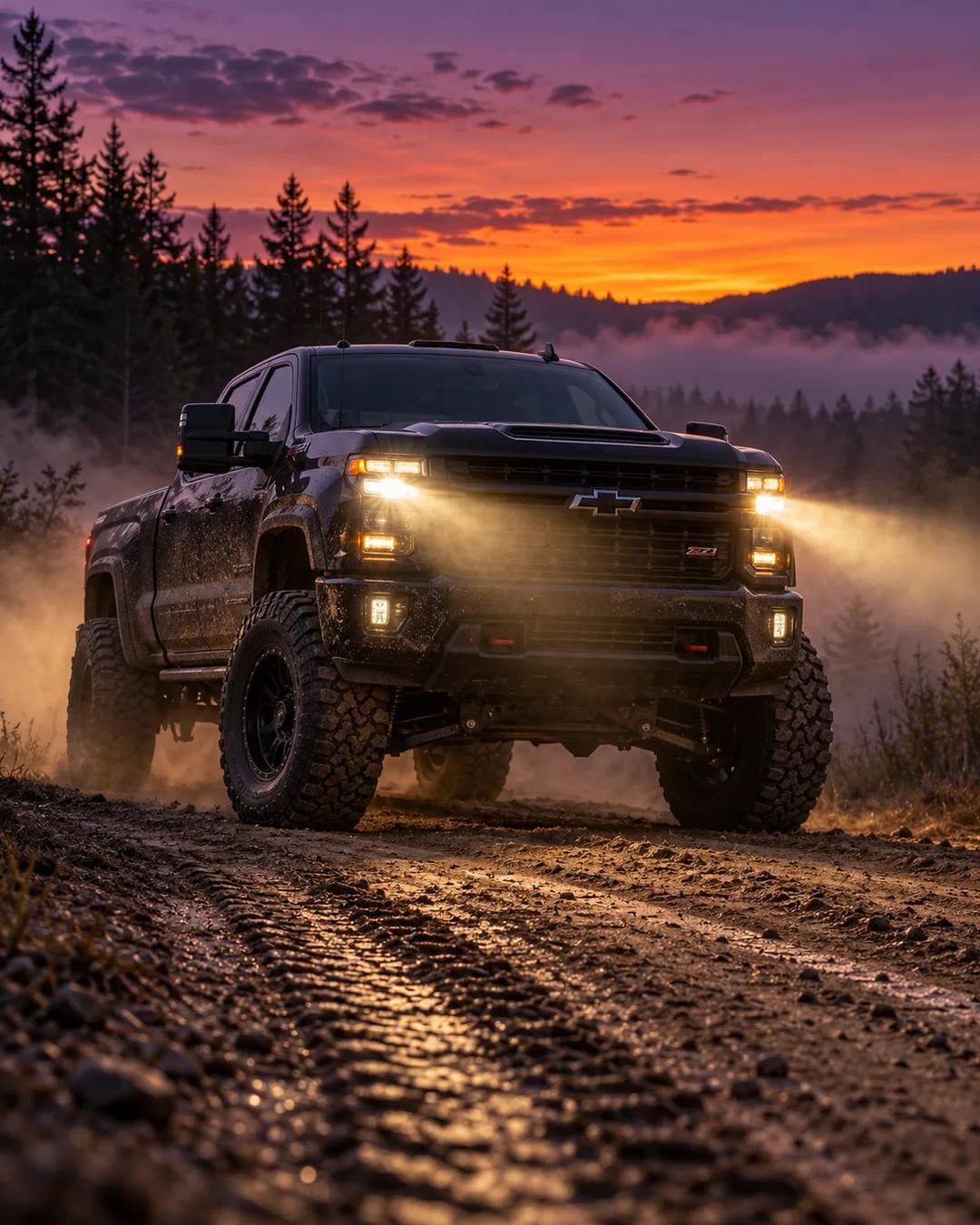
Truckstagram pushes new songs
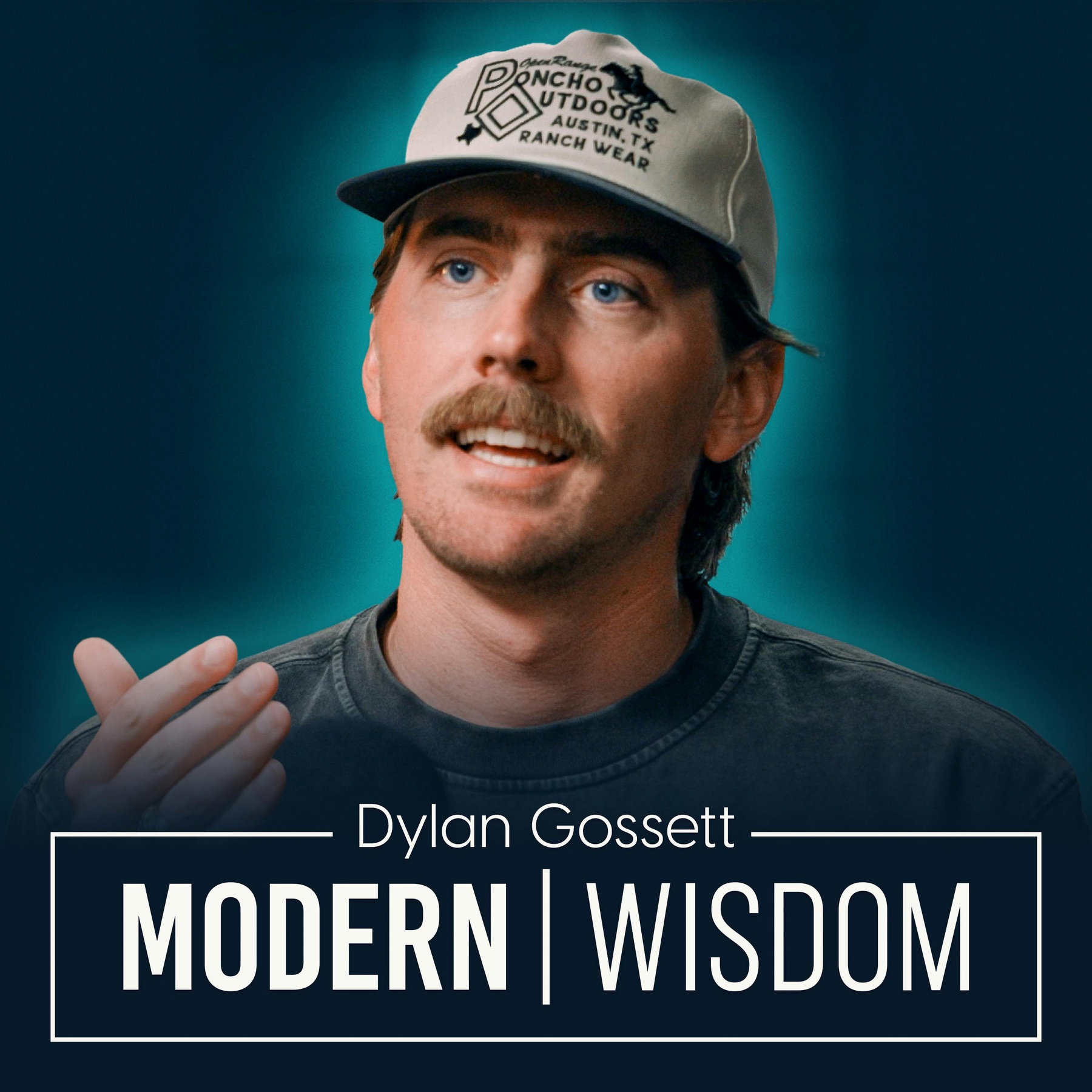
Spotting a pushed song
One sign that a song has a team behind it is a thousand truck edits appearing as soon as it comes out. Dylan Gossett can check the audio on a trending song and recognize that someone is running it.
Pushing helps less than it used to. It might put more ears on a song, but if the song isn't great or sounds like something else, it still won't really catch.
The arms race
The escalation makes breaking through harder, since every moderately good song now has an army of clippers, truck edits, and boat edits behind it. Thousands of people work every day to find the next new thing. When a song works, they ask what happened, why it worked, and how to replicate it by dumping a truckload of money behind it.
How do clip accounts push songs?
Fan pages and edit accounts post short videos set to a song, and each video links back to the same audio page on the app. Every new clip that uses the sound adds to the count of videos on that page, which makes the song look popular. Industry reporting has described labels and marketing agencies paying creators and fan pages to post clips of upcoming songs. Songs that catch on in these clips can then move to streaming playlists.
Is paying to promote songs new?
Paying to get music played goes back to payola in the 1950s, when record companies paid radio disc jockeys to play their records. A congressional investigation followed, and disc jockey Alan Freed lost his job at WABC in 1959. In 1960, Congress amended the Communications Act to require stations to disclose paid plays. Undisclosed payments to broadcasters for airplay are illegal under United States law.
More from Modern Wisdom