Korva is a scroll of the internet’s best ideas.
Two hours of free fall

Sinking on iron plates
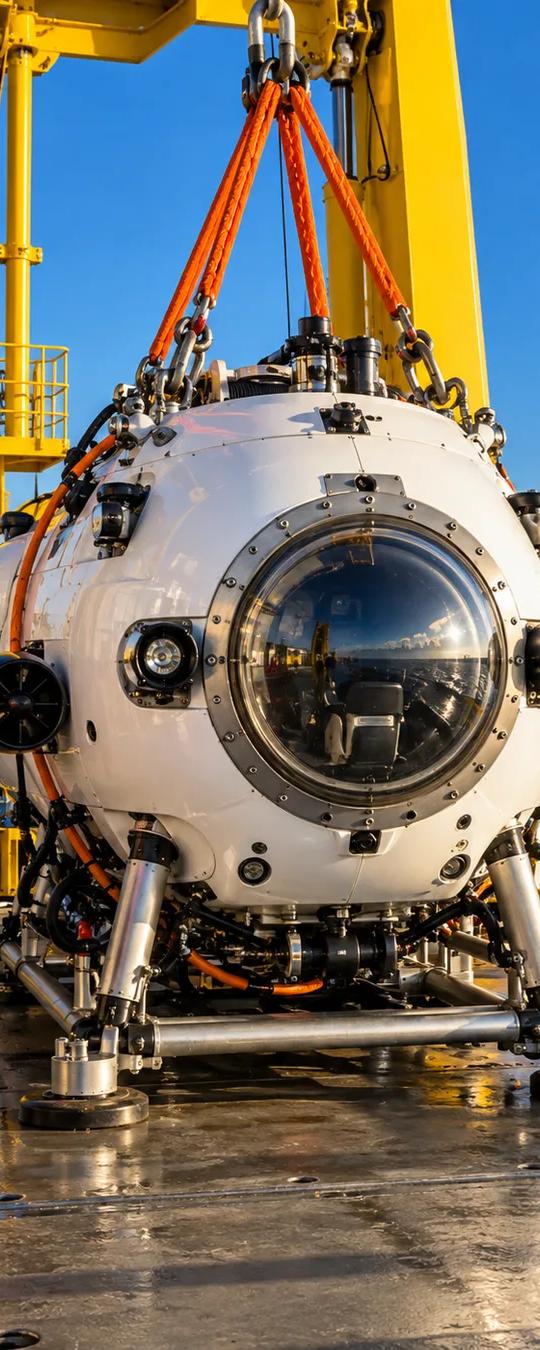
The trip to the vents typically takes about two hours. The sub is not attached to the ship. It is a free-falling vehicle, and the crew straps iron plates to the outside so it sinks like a fishing weight.
For many people the heart races for the first five minutes. Then the sub dips beneath the surface, the windows fill with ocean, and everyone settles in.
The light show
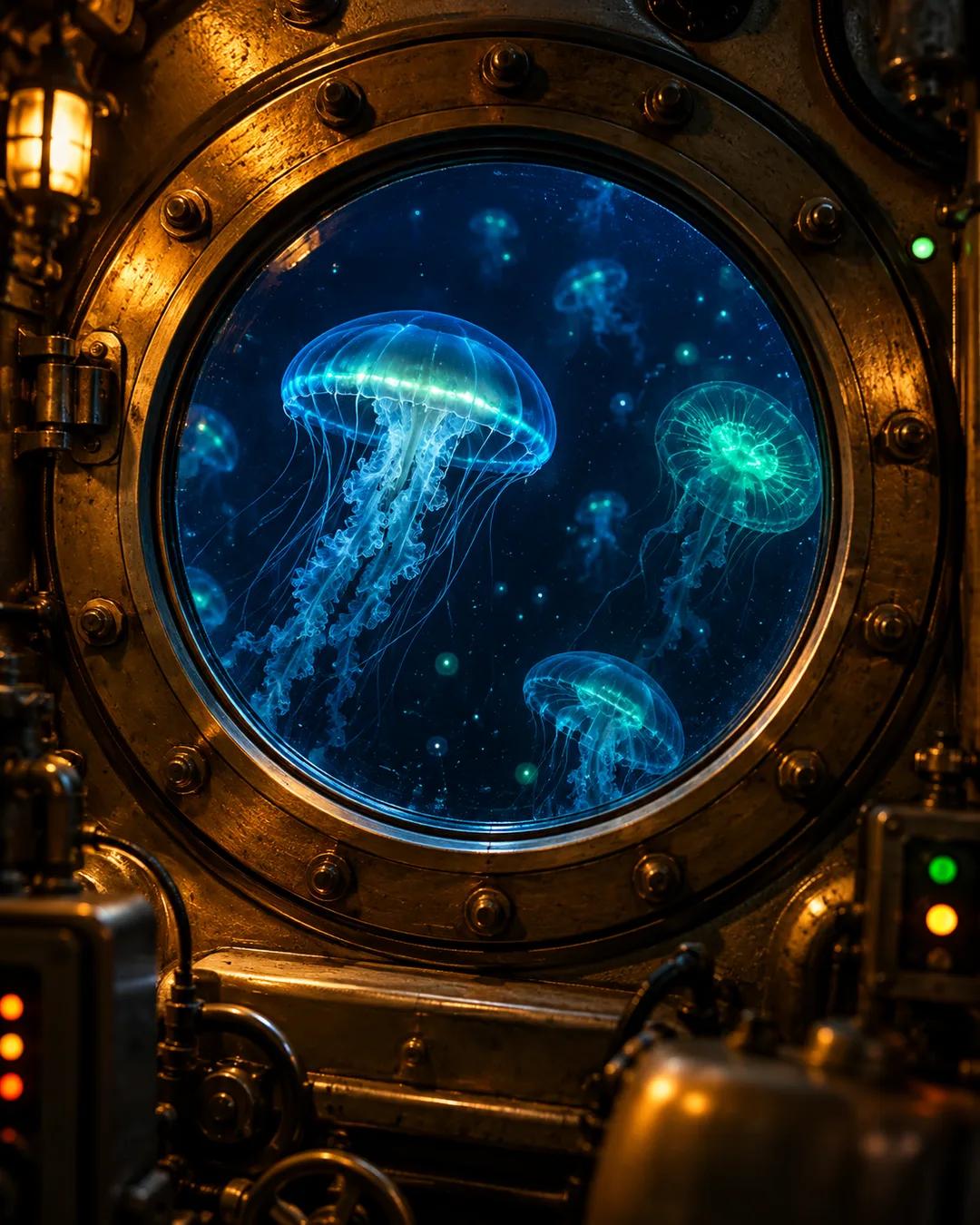
At a couple of hundred meters, about 600 feet, the show begins. So many creatures in the ocean make their own light that the view outside the window beats any bioluminescent scene from a fantasy movie.
The sub drifts past jellies, bioluminescent fishes, and other creatures of the midwater for two hours, animals most humans will never see. A scientist who spends most of the time on the sea floor studying microbes in mud and on rocks still loves them.
How does Alvin come back up?
Alvin descends with its iron weights attached and rises by letting go of them. Without the weights, the sub's flotation makes it lighter than the water around it and it drifts upward. The ride up takes about as long as the trip down. The weights stay on the sea floor.
Why do so many midwater animals make light?
Light helps in hiding, hunting, and defense in a world with no other source. Some animals glow on their undersides to match the faint light from above and erase their shadow. Others use lures to attract prey or flashes to startle predators. A 2017 study by Severine Martini and Steven Haddock found that about three quarters of the animals in the water column make their own light.
Where does the sunlight actually run out?
Water absorbs red light first and blue light last, so the ocean turns blue as it deepens. Plants and algae can photosynthesize only in roughly the top 200 meters. By about 1,000 meters no sunlight is detectable to the human eye. Below that depth, the only light is the glow the animals make themselves.
More from Ologies with Alie Ward