Korva is a scroll of the internet’s best ideas.
Two kinds of muscle memory

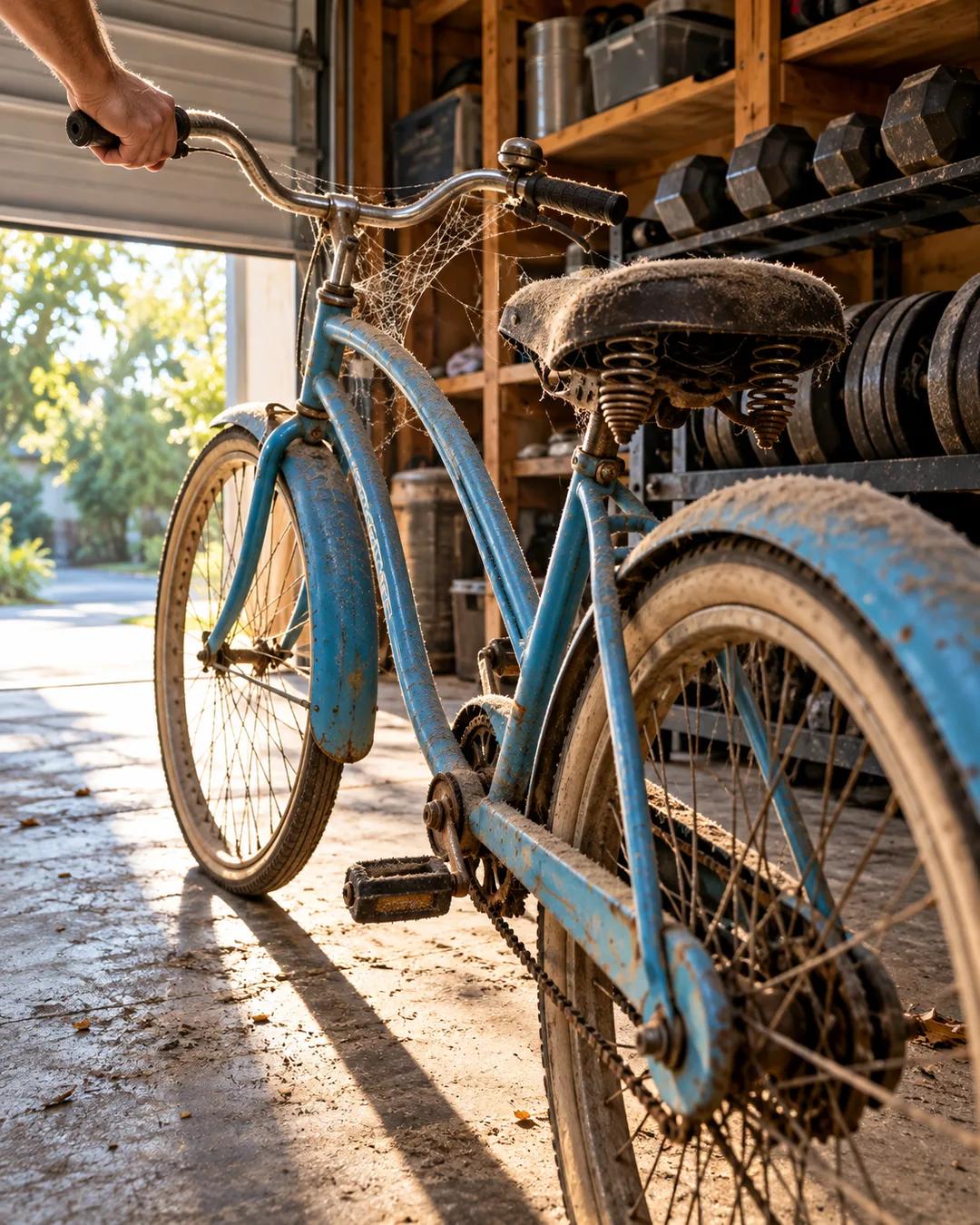
The skill kind is why a person can still ride a bike after years away. The other kind lives in the connection from motor neurons to muscle, which controls muscular contraction, and it is the reestablishment of strength and of muscle size when they were there before. Regaining them is far easier than gaining them for the first time, and a person who has done strength and hypertrophy training will be amazed at how quickly an atrophied limb, or an overall loss of muscle and strength, comes back.
The one exception is youth. In the late teens and early twenties, muscle comes on fast when training begins, but that tapers off after about a year or so, and then every bit has to be fought for. With age it gets harder to build muscle and get stronger, yet it can still be done.
Do muscle fibers remember their old size?
Kristian Gundersen's lab in Norway reported in a 2010 paper in PNAS that mouse muscle fibers gain extra cell nuclei as they grow. The nuclei stayed even when the fibers shrank from lost nerve input. A separate line of research points to the muscle fibers themselves as a store of memory, since the retained nuclei could let a fiber rebuild its proteins faster. Whether humans keep nuclei the same way is still debated.
Why do beginners gain strength so fast?
Toshio Moritani and Herbert deVries compared strength and muscle size across weeks of training in a 1979 paper in the American Journal of Physical Medicine. Early strength gains came mostly from neural changes: more motor units recruited and higher firing rates. Muscle growth contributed more later.
Where does the brain store a skill like riding?
Procedural memories for movements depend on the cerebellum, basal ganglia, and motor cortex more than the hippocampus. In 1962, Brenda Milner showed that the patient known as H.M. learned a mirror-drawing task over several days. He improved even though he had no memory of ever practicing it.
More from Andrew Huberman