Korva is a scroll of the internet’s best ideas.
Two men run 200,000 chickens

The farmer behind the sheds
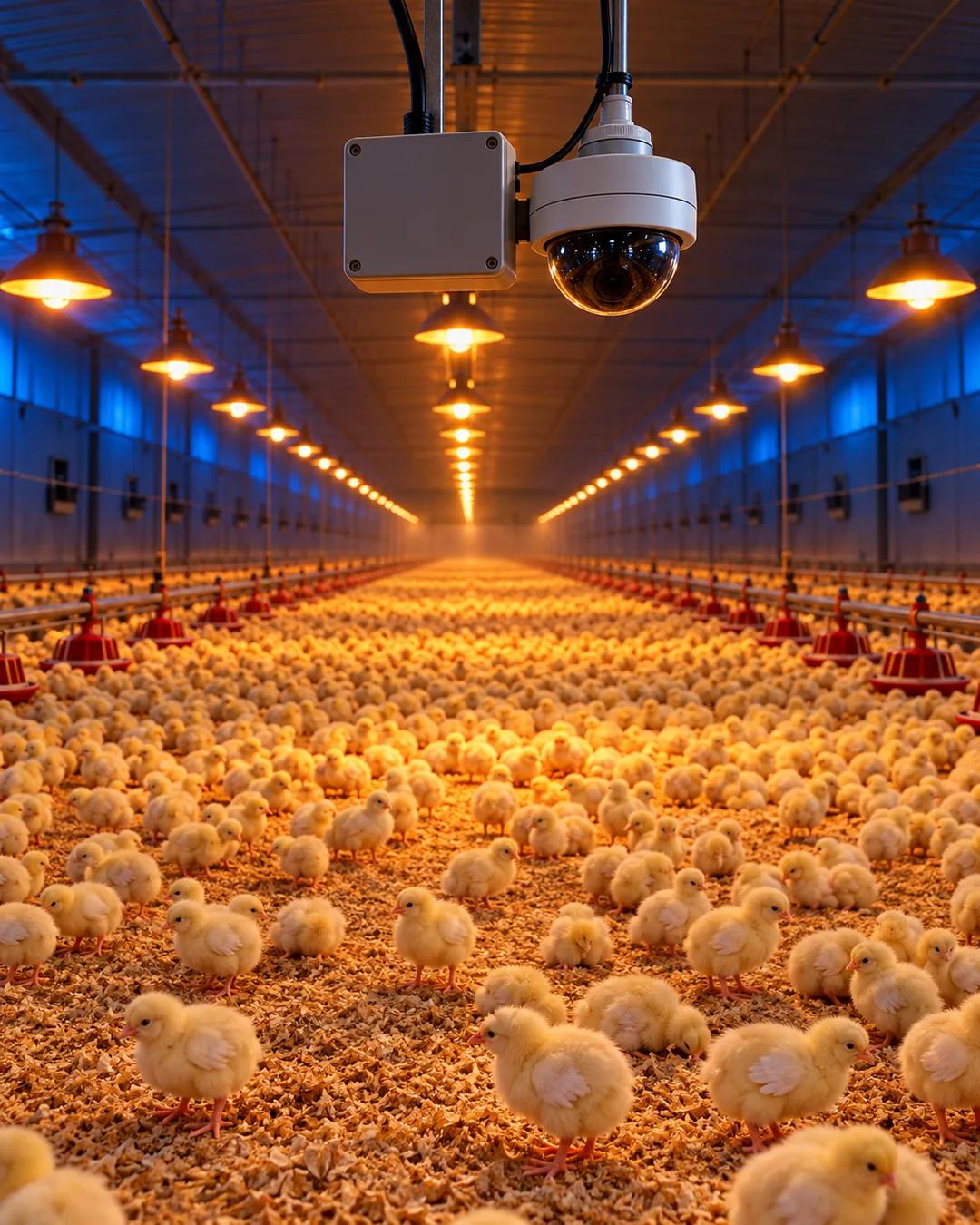
David Speller pioneered the use of CCTV and CO2 monitors in chicken sheds. Along with his own farm, he works as a consultant overseeing the raising of around 3 million chickens in the UK. His farm is at the forefront of a technology revolution that has drastically changed chicken farming.
A batch from start to finish
A batch begins when 90,000 chicks are delivered. Birds start going back to processing around day 34, and the biggest leave around day 39.
The turnaround between flocks
Then comes a frantic 7 to 10 days to clean everywhere and get the barn warm and fresh for the next batch of chicks. That cycle repeats seven and a half to eight times a year.
How does a CO2 monitor help run a chicken barn?
Chickens exhale carbon dioxide, so the level in a sealed barn rises whenever ventilation falls behind the flock. High carbon dioxide makes birds sluggish and signals that stale air and moisture are building up too. A ventilation controller reads the sensor and opens air inlets or speeds up fans until the reading drops. Outdoor air holds roughly 0.04 percent carbon dioxide, and barn sensors report readings in parts per million.
Why do barns need heating for newly hatched chicks?
Day-old chicks cannot regulate their body temperature well, and they stay dependent on outside warmth for roughly their first two weeks. Barns are typically heated to around 32 to 33 degrees Celsius at placement. The temperature is lowered by a few degrees each week as the birds grow feathers and gain control of their own heat. Chicks that get chilled huddle together, which wastes energy and slows early growth.
Why does a barn sit empty between batches?
Poultry producers use an all-in, all-out system, in which every bird in a barn arrives together and leaves together. That pattern lets the whole building be emptied, cleaned, and disinfected before the next flock. Without the gap, diseases and parasites could pass from older birds to new chicks. Removing used litter and warming the building before the next delivery are part of the same turnaround.
More from The Economist