Korva is a scroll of the internet’s best ideas.
Unpredictable rewards drive the most responses

Variable schedules
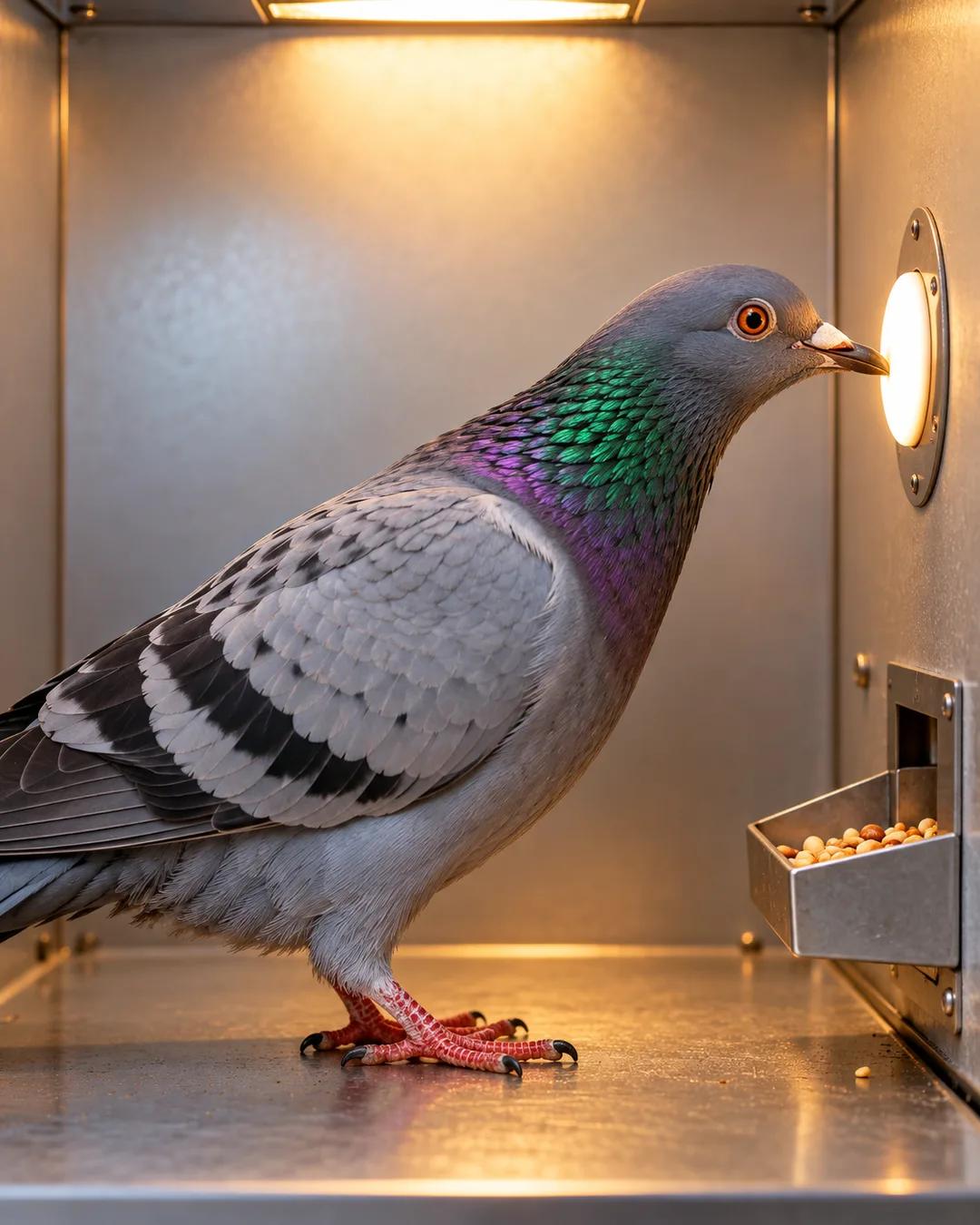
This is the variable-ratio schedule: the number of responses between rewards keeps changing. Telemarketers, salespeople, and slot machine players live on it, because they never know when the next sale or the next big win will arrive. Skinner demonstrated its power with that pigeon, and it normally produces more responses than any other schedule.
Varying the intervals between rewards also makes them unpredictable, though that schedule is probably not the one to use when people should feel appreciated.
Fixed ratio
Fixed-ratio schedules, where pay depends on the amount of work done, draw a very high response too. They are common in freelancing, where contractors are paid by the piece.
Fixed interval
Fixed-interval schedules reward time spent on a task, and they are the most common type of payment. The response rate on them is very low. Even a rat in a Skinner box on a fixed-interval schedule learns that lever presses beyond the required minimum are a waste of energy.
Why do slot machines pay at random?
Slot machines decide each spin with a random number generator, so one spin has no bearing on the next. That produces the unpredictable payoff pattern of a variable-ratio schedule, the same kind Skinner used with pigeons. Casino regulators in many jurisdictions require machines to be programmed to a set long-run payout rate. Because every spin is independent, no pattern in earlier spins predicts the next payout.
Why do fixed-ratio schedules cause pauses?
B.F. Skinner and Charles Ferster documented in their 1957 book Schedules of Reinforcement that animals on fixed-ratio schedules respond in bursts, then stop briefly right after each reward. This is called the post-reinforcement pause. The pause tends to grow longer as the number of responses required for each reward rises.
Why do fixed intervals produce scalloped responding?
On a fixed-interval schedule, the first response after a set time has passed earns a reward. Animals respond little right after a reward and speed up as the end of the interval nears, which draws a scalloped curve on a cumulative record. Responses early in the interval can never be rewarded, so they fade. Skinner's lab produced these records with a device called the cumulative recorder.
More from Shane