Korva is a scroll of the internet’s best ideas.
Vagus stimulation shifts mood in real time
Why It Works
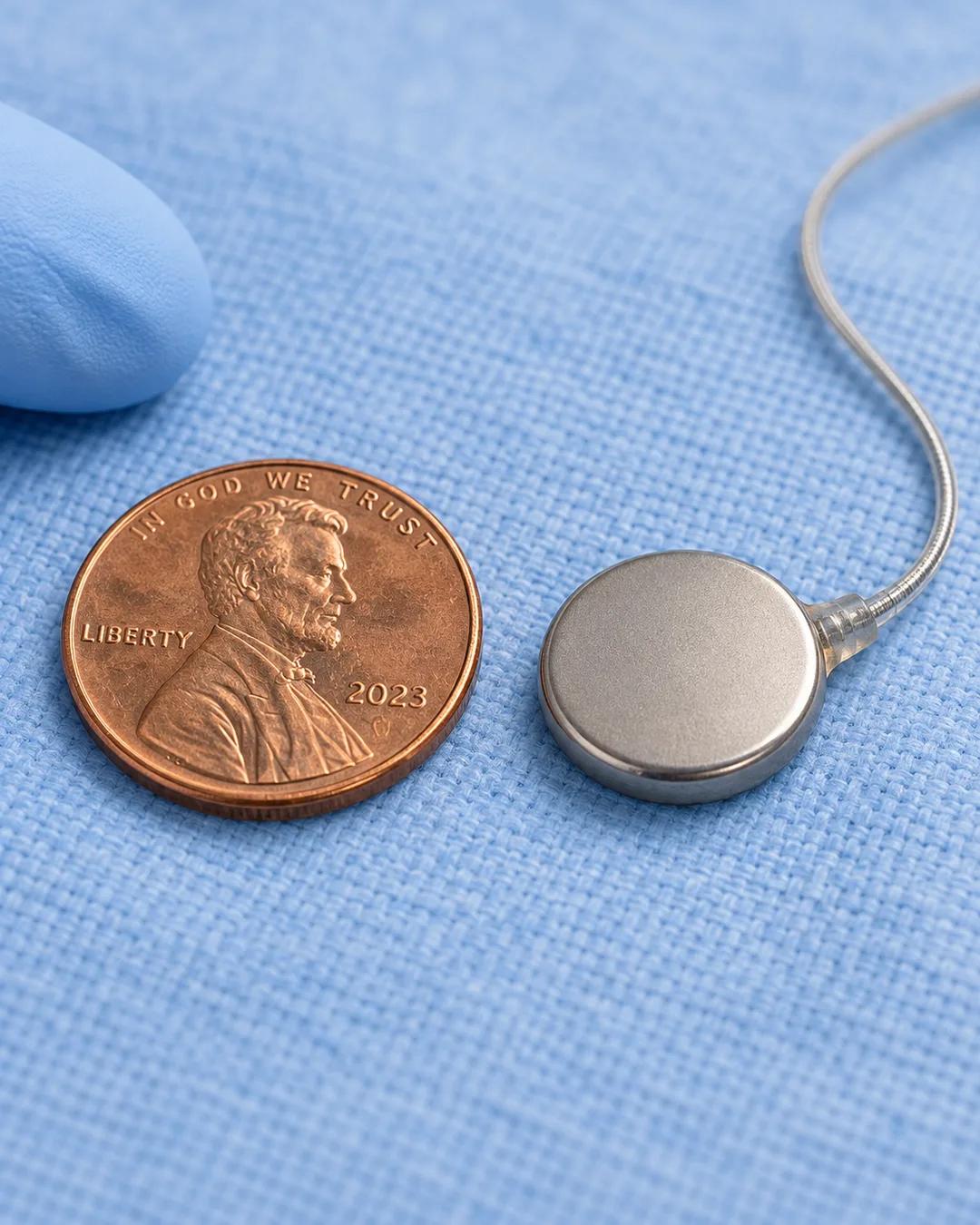
That is why a common treatment for depression puts a stimulator a little smaller than a penny under the skin of the neck and stimulates the vagus. It works against the sedation that accompanies depression, and a lot of people get good results.
A Live Result
The effect is dynamic enough to watch as it happens. Karl Deisseroth, one of the greatest bioengineers alive, was talking with a patient who was suicidally depressed. He started increasing the stimulation on her vagus, and she moved from that state to talking about how she felt willing enough to go out and apply for a job, in real time.
Commercially available vagal stimulators have shown some promise. Neurosurgeons who want to get a device under the skin and under the skull are not very impressed with them.
How does the vagus nerve reach the brain?
Roughly 80 percent of the vagus nerve's fibers carry information up from the body to the brain rather than down from it. Those fibers meet in a brain stem region called the nucleus of the solitary tract. From there, signals spread to the locus coeruleus, a small cluster of cells that releases norepinephrine across much of the brain. That chain is one explanation for why stimulating the nerve changes alertness.
What is Karl Deisseroth known for?
Karl Deisseroth is a psychiatrist and bioengineer at Stanford. In 2005, he and colleagues showed that light-sensitive proteins could switch on neurons in a dish, a technique now called optogenetics. His lab also developed CLARITY, a method that makes whole brains transparent so their wiring can be traced. He continues to see patients as a practicing psychiatrist.
When did vagus stimulation become an approved treatment?
The US Food and Drug Administration approved vagus nerve stimulation for epilepsy in 1997. It approved the therapy for treatment-resistant depression in 2005. The implanted pulse generator sits under the skin of the chest and connects to the nerve in the neck by a thin wire. It was the first brain stimulation treatment approved in the United States for depression.
More from Invest Like the Best with Patrick O'Shaughnessy