Korva is a scroll of the internet’s best ideas.
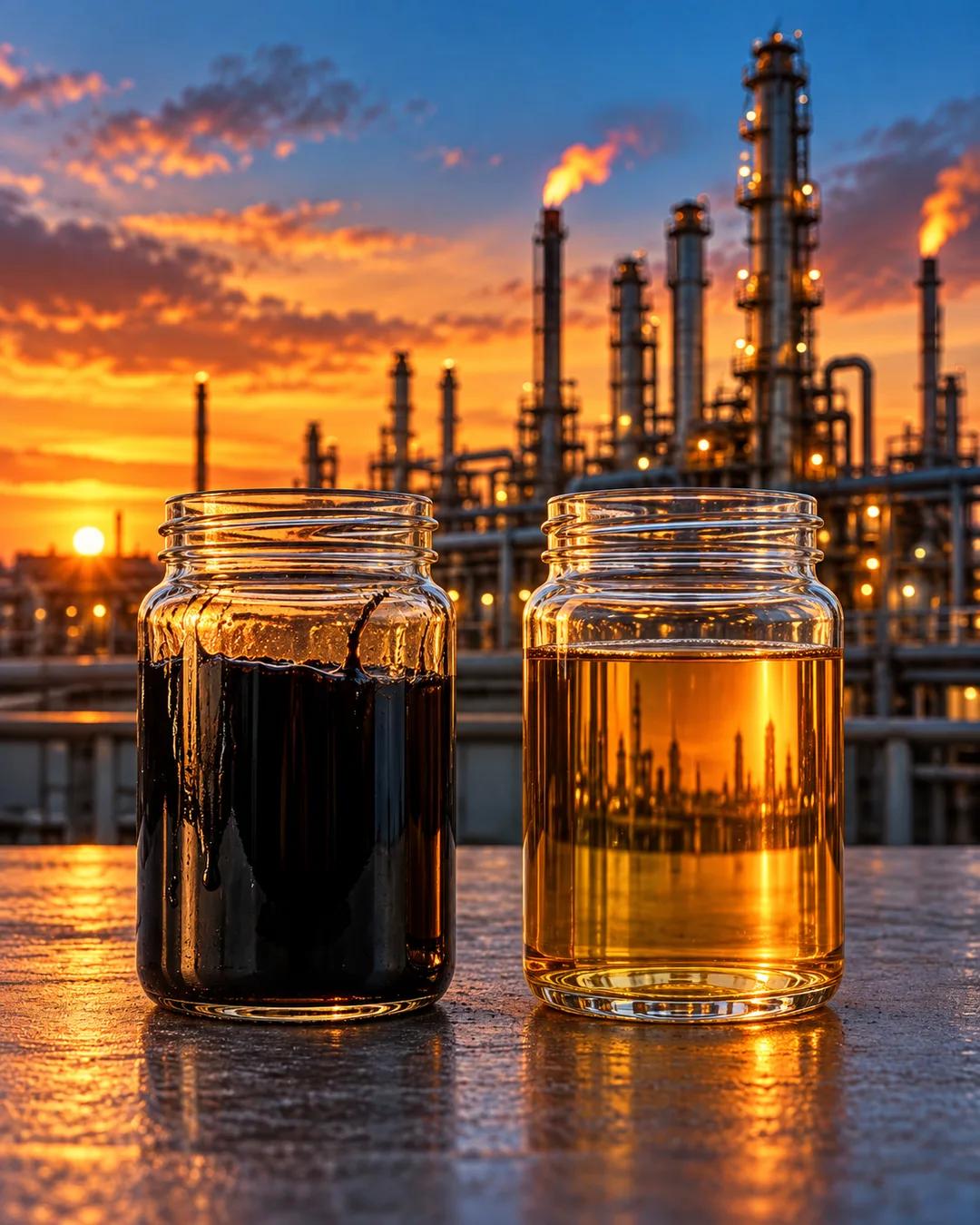
Venezuela's heavy crude fits Gulf refineries

Why refineries matter
Fracking gave the United States a flood of oil and gas, but the oil is light and sweet, which refines down well into gasoline. Heavy crude is what produces the distillates, and diesel comes from those. The refineries on the Gulf were built for heavy crude, and retrofitting them to run light crude is very expensive.
Venezuela's reserves
Venezuela holds something like 300 billion barrels of reserves, about the same as Saudi Arabia and a little more. Roughly 200 billion of that is the extremely heavy Orinoco crude that some consider unusable, which still leaves about 100 billion barrels of proven reserves that are not much debated.
The output drop
Output has fallen a long way from what those reserves could support. Venezuela once produced about three million barrels a day, and under Maduro that dropped to about a million. Getting back to three million would take billions of dollars in infrastructure upgrades.
Why does heavy crude yield more diesel?
Refineries separate crude oil by boiling point. Heavy crude has more of the long, heavy molecules that boil at higher temperatures, the range that includes diesel and heavier gas oils. Units called cokers and hydrocrackers break the heaviest molecules into those middle distillates. Light sweet crude has more short molecules that boil at lower temperatures, the range that includes gasoline.
Why does fracking produce light crude?
Shale formations such as the Permian Basin and the Bakken hold oil that was cooked at high temperature and pressure deep underground, which breaks large molecules into smaller ones. The result is crude with a high API gravity, meaning low density. Much of it is also low in sulfur, which is what sweet means. By common industry convention, sweet crude has less than about 0.5 percent sulfur.
Why does restoring output cost billions?
Heavy oil needs steady supplies of diluent, working upgraders, and pipelines, so a failure at any one step stops the flow. Oilfields also decline without maintenance, because wells need pumps, repairs, and replacement parts. Reuters and other outlets reported repeated power outages and equipment shortages at Venezuelan facilities in the years of falling output.
More from All-In with Chamath, Jason, Sacks & Friedberg