Korva is a scroll of the internet’s best ideas.
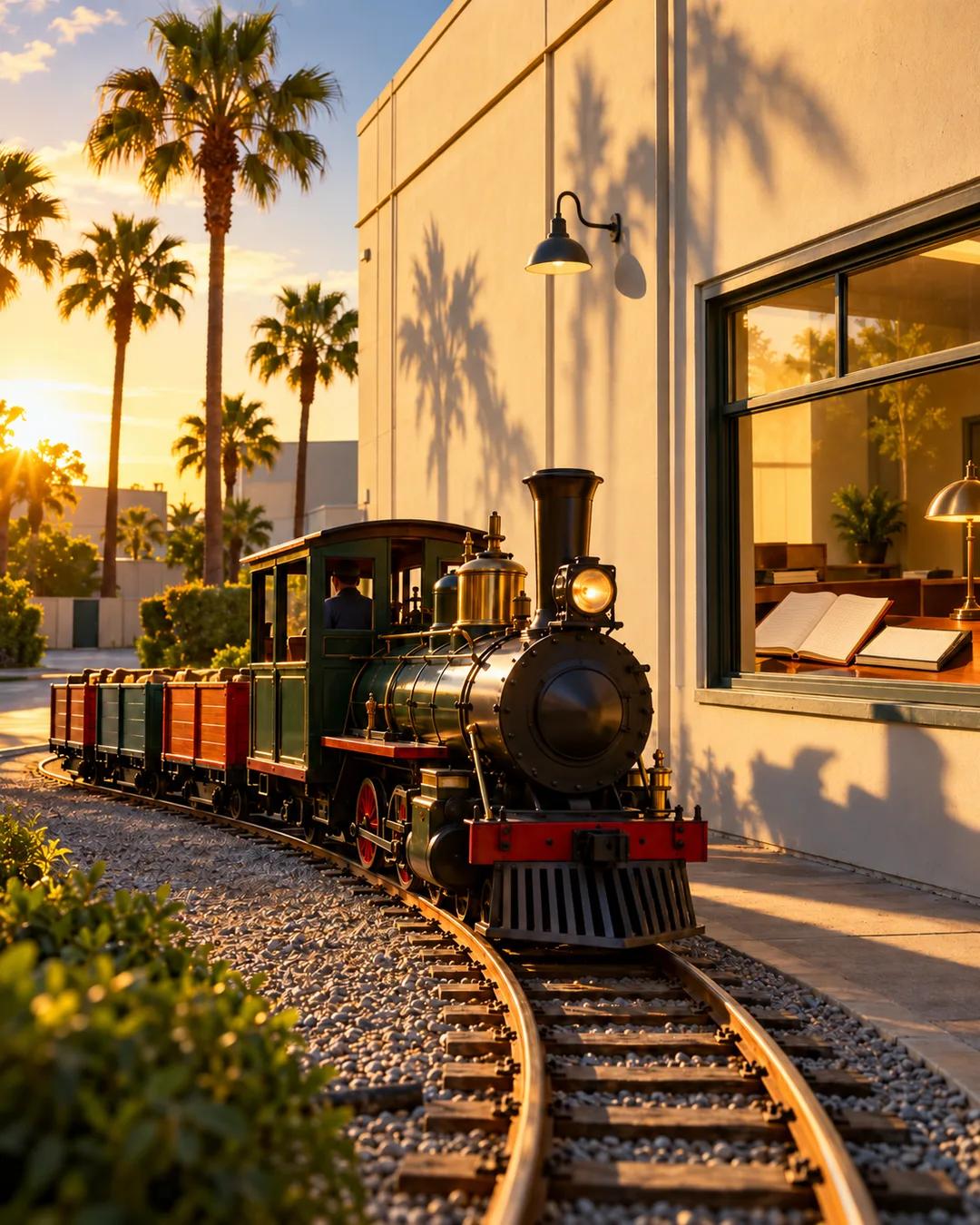
Walt's side company owned the railroad

Disney's board refused to fund Walt's park idea, so in 1952 he started WED Enterprises, named for Walter Elias Disney, and poached about a half dozen artists and animators to work on it from a building on the Burbank back lot. They became the first Imagineers. In April 1953, the board approved a personal services contract with Walt and a cost-plus contract with WED to design and build the attractions. Walt could pursue outside projects while drawing his $153,000 salary, got 10 percent of merchandise sold in return for the use of his name, and gained the right to invest alongside Disney in each live-action film. Three directors resigned in protest.
After Disneyland opened, Walt Disney Productions bought out the other early investors and owned 66 percent by 1958, and in 1960 it paid $7.5 million to buy out ABC's stake. WED, with Walt as its 100 percent shareholder, owned the railroad outright and collected ticket revenue on it, and it owned the monorail and his name rights. In 1965 Disney absorbed the Imagineering half of WED, and the rest was renamed Retlaw, which is Walter backwards. In 1982 the company bought the name rights, the monorail, and the railroad from Walt's family for $43 million of Disney stock. Between 1953 and 1981, WED had also received $75 million in checks for the railroad and monorail and another $46 million in name royalties.
How does a cost-plus contract pay?
The contractor is reimbursed for its costs and receives an added fee on top. The buyer carries the risk of cost overruns. Defense and construction projects often use the structure. For WED, it meant the company paid for design work and Imagineers were paid for their time.
When did WED become Imagineering?
WED Enterprises was renamed Walt Disney Imagineering in 1986. The word Imagineering blends imagination and engineering. Disney had used it earlier in the 1940s. The group designs and builds the company's parks and attractions.
More from Acquired