Korva is a scroll of the internet’s best ideas.
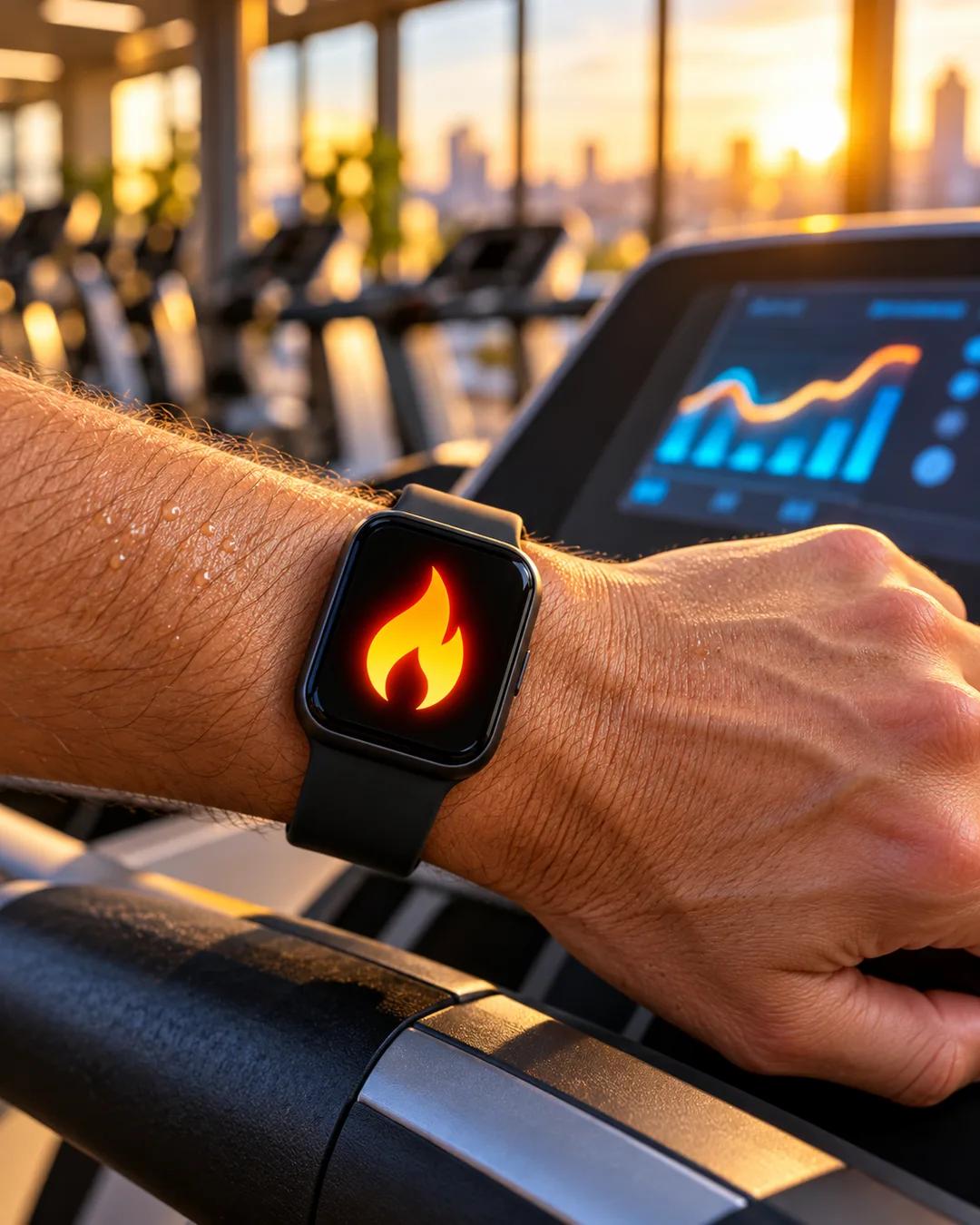
Watches overestimate calories burned

Tracker errors
Every brand overestimated how many calories exercise burns, some by more and some by less. The same problem affects gym machines that report calories burned: a session that reads 1,000 calories may not be accurate, yet if the next day reads 1,300, it is likely a bigger session than the one before. Within one person, that comparison can still be useful.
Bad calculators
Bad numbers explain many cases where someone reports that calories in and calories out doesn't work for them. A typical case: they enter their details into an online calculator, eat the calories it returns, and don't lose weight. Which is likelier, that the person is defying the laws of conservation of energy, or that the calculator gave the wrong number for them?
Step counts
Step counts offer a partial check on energy output, since people's steps can fall spontaneously on a fat loss diet without their noticing.
Why do wrist trackers misjudge calories?
Trackers estimate heart rate with light sensors, then feed it into an algorithm that also uses age, weight, and movement. Heart rate is a rough stand-in for energy burned, and the relationship differs between people. A 2017 Stanford study led by Anna Shcherbina tested seven devices and found heart rate readings were fairly accurate, but energy expenditure estimates were off by 27 to 93 percent.
How do scientists measure calories burned accurately?
The reference method is doubly labeled water. Participants drink water made with heavy forms of hydrogen and oxygen, and researchers track how fast each leaves the body in urine. Oxygen leaves as both water and carbon dioxide, hydrogen only as water, so the gap gives carbon dioxide production. That value converts to total energy expenditure over one to two weeks.
Why can the same machine still track changes?
A device with a constant bias errs the same way every session. Compared with itself, a higher reading signals more work relative to a lower reading. Researchers call this within-subject consistency. It is why accuracy and reliability are measured separately in validation studies.
More from Andrew Huberman