Korva is a scroll of the internet’s best ideas.

"We dodged a bullet"
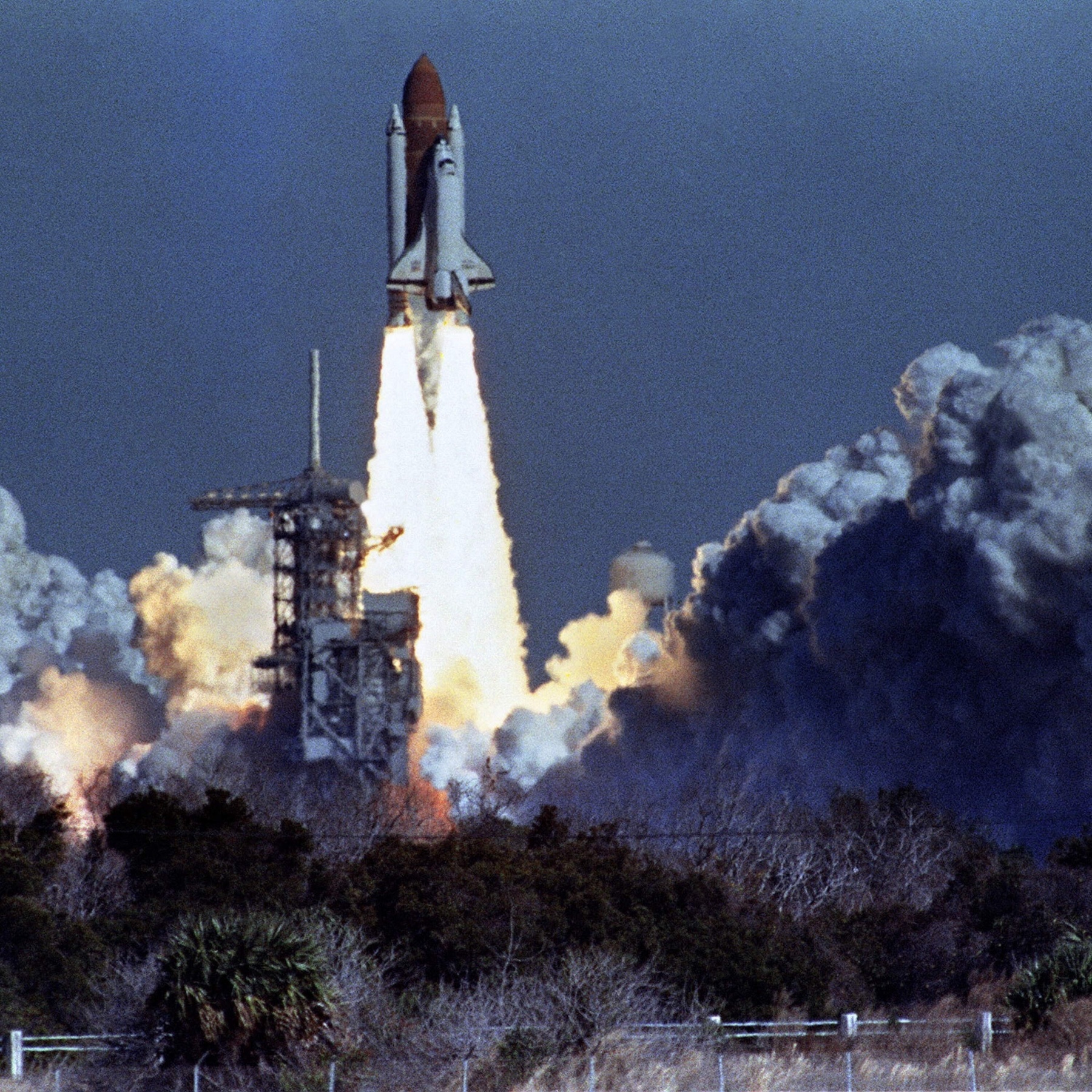
The morning of launch
Brian Russell had gotten home the night before at 11:30 and talked to his wife for 45 minutes about the call, too wound up to expect much sleep. The next morning he watched the launch feed in a conference room at Thiokol, sitting on the floor at the back and rising to his knees as the countdown closed. His stomach was in knots. He and his colleagues expected the failure on the launchpad, with a burn-through and an explosion.
Watching it explode
Russell thought, "I wish I could be sure." The shuttle passed throttle-up, and a little over a minute into the flight it exploded. The feed replayed it, and by the second showing it had sunk in for him: that was their problem. Roger Boisjoly had already left the front of the room after the first viewing. Russell followed after the second and found him downstairs in his office, in tears. Russell was crying too.
The aftermath
No work got done at Thiokol that day. People wandered the building in confusion while Russell sat at his cubicle in a daze. The image of the explosion stayed in front of his eyes for about four months, and he was not himself as a husband or a father. Forty years later the grief and the guilt remain, along with a wish that at the end of the caucus he had spoken up to say there was a dissenting view.
Why did the shuttle fail at 73 seconds?
Film showed smoke from the right booster's joint at ignition, and the Rogers Commission concluded that burning residue from the propellant temporarily plugged the gap. Around 58 seconds into the flight, a flame plume appeared at the joint. The flame burned through the strut that held the booster to the external tank and into the tank itself. The vehicle then broke apart under aerodynamic forces while the fuel from the tank burned in a fireball. The Rogers Commission placed the breakup at 73 seconds after liftoff.
Why do shuttles throttle down mid-climb?
Shuttle main engines were throttled down as the vehicle approached the region of greatest aerodynamic pressure, called max Q, and throttled back up afterward. The reduced power kept loads on the structure lower while the vehicle passed through the thickest air at high speed. The moment the engines returned to full power is called throttle-up. On a typical shuttle ascent, max Q came roughly a minute after liftoff.
Why can't solid rocket boosters be shut off?
Solid propellant is a rubbery mixture of fuel and oxidizer packed into the casing, and once lit it burns until it is gone. Unlike a liquid-fuel engine, it has no valves or pumps to close. That is why the shuttle's main engines lit first and were checked before the boosters were ignited, since booster ignition was the point of no return. The two boosters supplied most of the thrust at liftoff and burned for roughly two minutes.
More from Throughline