Korva is a scroll of the internet’s best ideas.
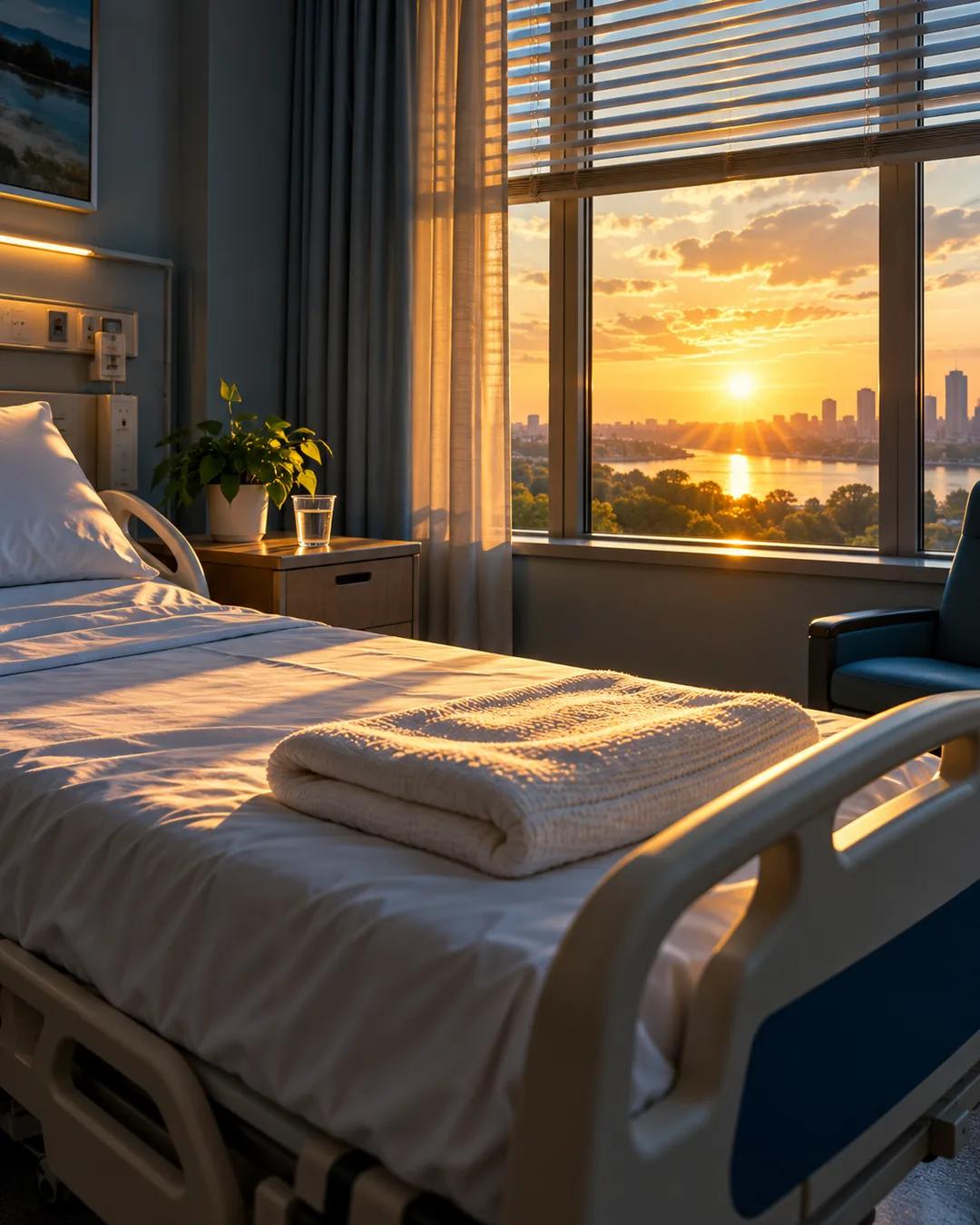
Window light speeds surgical recovery
Rhythm after surgery
Staying on as normal a circadian rhythm as possible coming out of surgery helps immensely. Morning ambient light and some outdoor time, from a window facing east or even west, support that rhythm and improve sleep, which reduces inflammation after surgery and accelerates healing.
Why hospitals disrupt it
Hospitals work against this. The environment is not circadian friendly, with bright lights, noise from equipment, overnight checks, and little natural daylight, and it affects both patients and staff. Eye masks and earplugs make nights darker and quieter.
Fitness before surgery
Fitness before surgery matters too. Even recreational athletes recover faster from major surgeries, probably because their metabolic health and circulation are better and they are used to pushing into challenge. Going in rested helps, and a poor night of sleep right before surgery, which is common with pre-surgery anxiety, does not rule out a great recovery.
What did Roger Ulrich find about window views?
Roger Ulrich reported in a 1984 paper in Science on patients recovering from gallbladder surgery in a Pennsylvania hospital. Patients in rooms with a view of trees left the hospital sooner and needed fewer strong painkillers than patients whose windows faced a brick wall. Nurses also wrote fewer negative notes about the patients with the tree view.
Why is hospital noise so disruptive?
Ilene Busch-Vishniac and colleagues measured sound levels at Johns Hopkins Hospital and published the results in the Journal of the Acoustical Society of America in 2005. Daytime noise there had risen from about 57 decibels in 1960 to about 72 decibels in 2005. Alarms, pagers, and equipment add sudden peaks that can wake patients from sleep.
How does sleep loss raise inflammation?
Michael Irwin and colleagues combined dozens of studies in a 2016 meta-analysis in Biological Psychiatry. Sleep disturbance was linked to higher blood levels of C-reactive protein and interleukin-6, two common inflammatory markers. Sleep loss in the lab has also been shown to raise the activity of genes involved in inflammation.
More from Andrew Huberman