Korva is a scroll of the internet’s best ideas.
Wolves changed the rivers
Deer and the wolves
For 70 years, Yellowstone had no wolves. With nothing to hunt them, the deer built up in number, and despite human efforts to control them, they grazed much of the park's vegetation down to almost nothing.
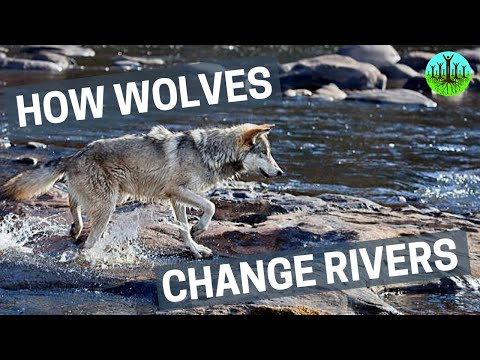
The wolves arrived in small numbers. They killed some deer, but the bigger change was where the deer went. The deer began avoiding the valleys and gorges, the places where they could be trapped most easily, and those places started to regenerate right away. In some areas, the trees grew to five times their height in just six years, and bare valley sides turned into forests of aspen, willow, and cottonwood.
Wildlife that returned
Birds moved in, and songbirds and migratory birds increased greatly. Beavers multiplied, because beavers eat the trees, and the dams they built in the rivers gave otters, muskrats, ducks, fish, reptiles, and amphibians places to live. The wolves also killed coyotes, so rabbits and mice rose in number, which brought more hawks, weasels, foxes, and badgers. Ravens, bald eagles, and bears came to feed on the carrion the wolves left, and the bears did well partly because the regrowing shrubs bore more berries.
How the rivers changed
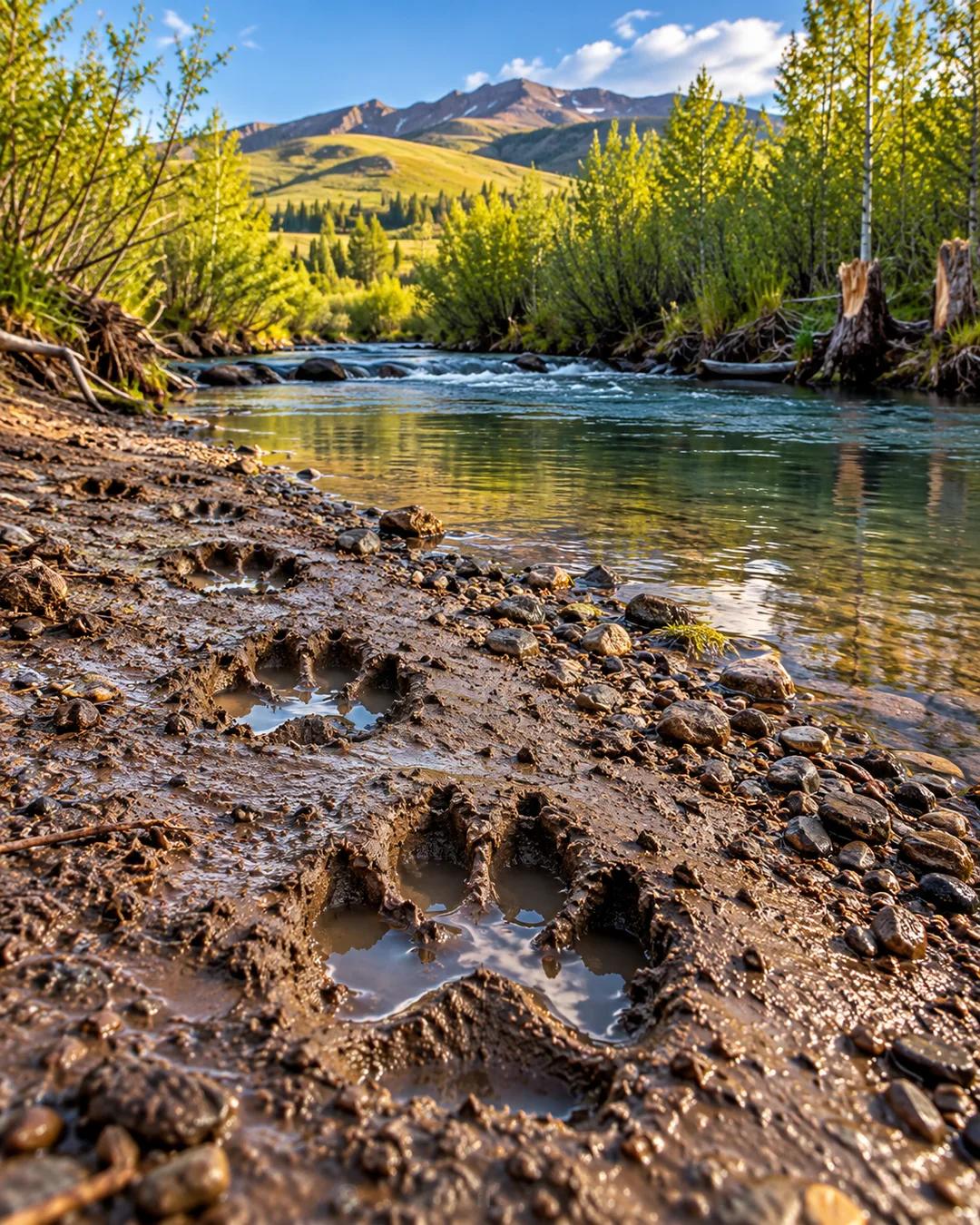
The rivers changed too. They meandered less, eroded less, and ran in narrower channels with more pools and riffle sections, all of it good for wildlife. The regrowing forests held the banks in place, so the banks collapsed less often and the rivers settled into a more fixed course. Plants on the valley sides held the soil as well, so less of it washed away.
How do wolves change where deer feed?
Ecologists call this effect a landscape of fear. Prey animals that sense predators shift their feeding away from places where escape is hard, such as narrow valleys and gorges. The idea was developed by the wildlife ecologist John Laundré in research on predators and the habitat choices of their prey. Where grazing pressure drops, seedlings survive long enough to grow past the reach of a browsing animal.
Why can one predator reshape a whole ecosystem?
Ecologists call a chain reaction like this a trophic cascade. The zoologist Robert Paine coined the term in 1969 after removing the predatory starfish Pisaster ochraceus from tidal pools on the Washington coast. Without the starfish, mussels crowded out most other species, and the number of species in the pools fell sharply. A predator that keeps one species in check can protect the diversity of everything else around it.
How do beaver dams help so many animals?
A beaver dam slows a stream and spreads its water across the surrounding land, creating ponds and wetlands. Standing water gives fish, amphibians, and waterfowl places to breed and shelter that a fast channel does not offer. The ponds also raise the local water table, so nearby soil stays moist longer into the dry season. Ecologists call beavers ecosystem engineers because their building changes the habitat for so many other species.
Why do trees keep riverbanks from collapsing?
Roots act like a net, binding soil particles together and adding strength that bare soil lacks. Stems and branches growing at the water's edge slow the current as it flows past, which lowers the force that scours the bank. Researchers who study river shape, called fluvial geomorphologists, have measured that vegetated banks resist erosion far better than bare ones. Rivers lined with bare banks tend to widen and shift, while those lined with dense roots hold a steadier channel.