Korva is a scroll of the internet’s best ideas.
Words from the Rostra turned Rome

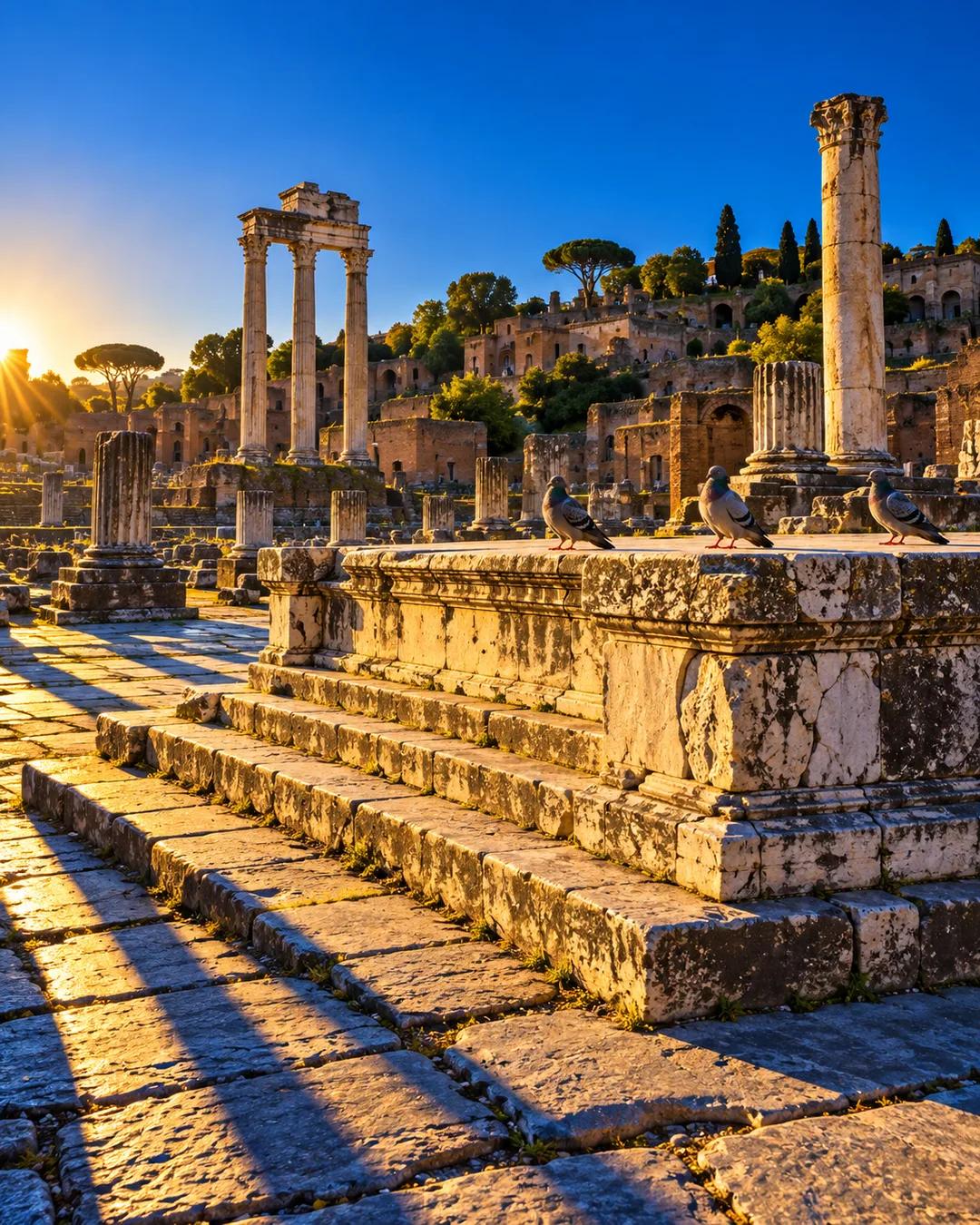
The Rostra was the speaker's platform in Rome, and history was changed from it. Many times, the city felt one way before somebody hauled themselves up there to face the crowd, and a different way after they stepped down.
That happened after Caesar's murder. The city completely turned in its perception of what had just happened, who the good guy and the bad guy were, and who had legitimacy, because of words spoken from the Rostra.
A communications firm now takes its name from that platform. The art of relating to, moving, rallying, and gathering other people was figured out a long time ago, and some of it has been lost in recent times because people are distracted and their attention spans are shot.
How did the Rostra get its name?
Rostra is Latin for ships' beaks. After Rome's naval victory at Antium in 338 BC, the beaks of captured enemy ships were fixed to the speakers' platform in the Forum. The platform was later rebuilt and moved, including under Julius Caesar and Augustus. Its name entered English in the word rostrum.
Why did Antony's funeral speech sway Rome?
Accounts by Plutarch and Appian, written generations later, say Mark Antony spoke at Caesar's funeral in 44 BC, displayed the dead dictator's toga, and read his will aloud. The will left gardens to the public and a sum to every Roman citizen, which Suetonius gives as 300 sesterces each. Ancient writers report that the crowd then built a pyre for Caesar in the Forum and set out with torches for the houses of the conspirators.
How did Romans train in public speaking?
Roman students of rhetoric practiced speeches on set themes under a teacher called a rhetor. Cicero's dialogue De Oratore, written in 55 BC, laid out the ideal training of an orator. Quintilian's Institutio Oratoria, completed around 95 AD, ran to twelve books and became a standard handbook.
More from David Senra